
A home electrical safety checklist should look different in Central Florida. Lightning, humidity, and year-round cooling load stress a house in ways cooler regions never see. Panels corrode, GFCIs wear out, and attic wiring bakes all summer. A slow walkthrough twice a year catches most of it.
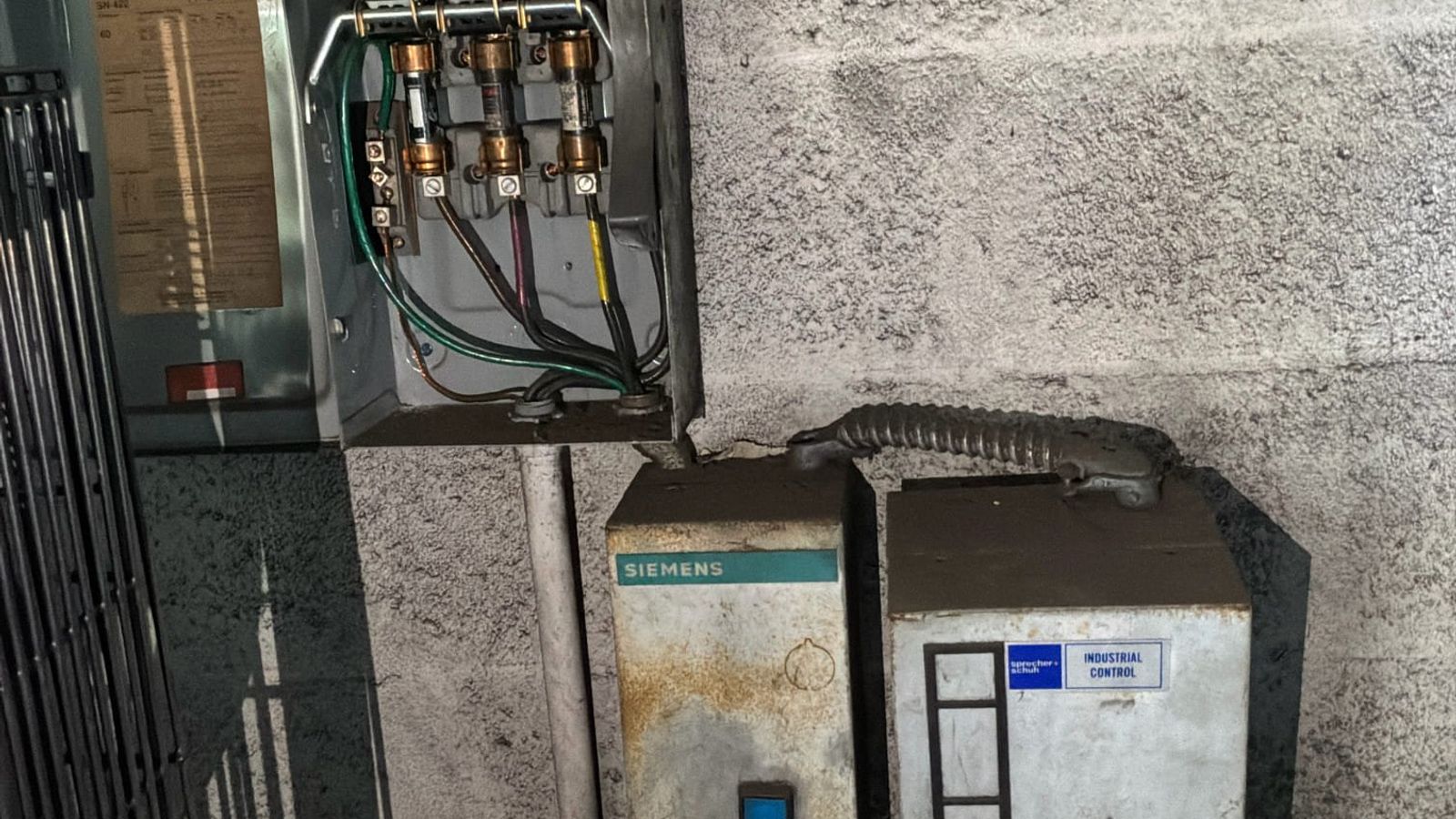
Thomas Edison Electric (Florida license EC13015487) inspects homes across Orlando, Winter Park, Maitland, and Altamonte Springs. Work through the list below on your own. Then call for the items that need a licensed hand.
Start Your Home Electrical Safety Checklist at the Panel
Open the panel door, but leave the dead front cover on. You are looking and listening, not probing. Rust streaks, a warm door, or a steady buzz all need a pro.
Here is what to note while you are standing there:
- Breakers that trip often, which points to an overloaded circuit or a tired breaker.
- Rust or chalky corrosion, common on outdoor meter-main panels in our humidity.
- Missing or vague labels, since you want clear labels before an emergency.
- Spare capacity, because a pool pump or EV charger may have taken the last slot.
- Panel age and brand, as a few older brands belong on a replacement list.
Many older homes here still run panels that no longer match modern loads. During one inspection we found grounding and GFCI gaps hiding behind the cover, and you can see how we handled this for an Orlando home.
Test Every GFCI
GFCIs protect the wet parts of your house. Press test, confirm the power drops, then press reset. Do this monthly, because humidity shortens their working life.
In Florida, that test belongs near the top of the list. Walk this route so you do not miss one:
- Kitchen counters, bathrooms, and the laundry area.
- Garage, exterior walls, and the screened lanai.
- Pool pump, pool light, and any spa equipment.
- Any receptacle within reach of a sink or hose bib.
A GFCI that will not reset is telling you something. Schedule an electrical safety inspection instead of swapping in a standard outlet.
Feel the Outlets and Switches
Warmth is the easiest early warning sign. Touch the cover plates around the house, especially where a window AC or a dehumidifier plugs in. Loose plugs and scorch marks both mean stop.
Also check for outlets that wobble in the wall. Movement loosens the connection over time, and loose connections arc. Portable heaters load those same circuits hard during a January cold snap, so our space heater safety tips for Florida homes are worth a read.
Look Up at the Attic and AC Circuits
Attic temperatures here climb well past 120 degrees in summer. That heat ages insulation on older wiring and dries out splices. Look for brittle jackets near the air handler.
Check the disconnect at the outdoor condenser too. Rust, missing covers, and loose lugs show up fast after a few storm seasons. A failing disconnect can take the compressor with it.
Check Surge and Lightning Protection
Surge protection is the most Florida-specific line on any home electrical safety checklist. Central Florida records more lightning than almost anywhere in the country. A nearby strike can push a spike through the service, the cable line, or a buried run, and sensitive gear often dies quietly weeks later.
A whole-home surge device at the panel is the first layer. Point-of-use protectors then cover the television, the router, and the home office. Replace surge strips after any direct hit, since they wear out.
Test Alarms and Check Their Dates
No safety walkthrough is finished until the alarms pass. They are cheap, and they age on a clock:
- Press the test button on every smoke alarm monthly.
- Replace backup batteries yearly, even in hardwired units.
- Read the date stamp on the back, then retire any smoke alarm past ten years.
- Swap carbon monoxide alarms sooner, since most age out nearer to seven.
- Add carbon monoxide alarms if you run a generator or any gas appliance.
Not sure which type fits your home? Compare the options in our guide to hardwired vs. battery smoke detectors, and follow placement advice from the National Fire Protection Association.
Walk the Outside and the Pool Deck
The outdoor half of this walkthrough matters more here than in most markets. Exterior devices take the worst of our weather, so confirm every outdoor receptacle has a weatherproof in-use cover that still closes. Look for cracked lids, wasp nests, and rusted screws.
Pool and spa areas need bonding as well as GFCI protection. Bonding ties metal parts together so no voltage difference can build up around the water. That work belongs to a licensed electrician.
Fix the Small Stuff Now
These take an afternoon and remove real risk:
- Replace cracked or frayed cords instead of taping them.
- Stop running cords under rugs, doors, or heavy furniture.
- Skip daisy-chained power strips behind the television.
- Match outdoor cords to outdoor use, every single time.
- Swap standard receptacles for tamper-resistant ones where children play.
Families with toddlers get extra value from that last item. Our guide to childproofing outlets in your Orlando home covers it in detail, and the Electrical Safety Foundation International is another solid resource.
Know When to Call a Pro
Some findings are simply not homeowner work. Call a licensed electrician for burning smells, repeated tripping, a warm panel, or aluminum branch wiring. Houses built before the late 1970s may still have it.
A full inspection also makes sense at three moments. Before you buy a house, after a close lightning strike, and before any major addition.
How Often to Run Through It
Run the quick items monthly and the full list twice a year. May works well, since it lands just ahead of storm season. November makes a natural second pass.
Write down what you find and date the page. That short record helps any electrician move faster and quote more accurately.
Want a professional set of eyes on your home electrical safety checklist? Call Thomas Edison Electric at (407) 490-0004 to book an inspection with a licensed Orlando electrician (license EC13015487). We serve Orlando, Winter Park, Oviedo, Maitland, Altamonte Springs, and nearby communities.