
Every Orlando home needs working smoke alarms, and most families end up choosing between two kinds. One is the battery unit you buy off a shelf and mount yourself. The other is a set of hardwired smoke detectors Orlando builders wire into new construction. Both types save lives, yet they behave very differently when a storm cuts the power.
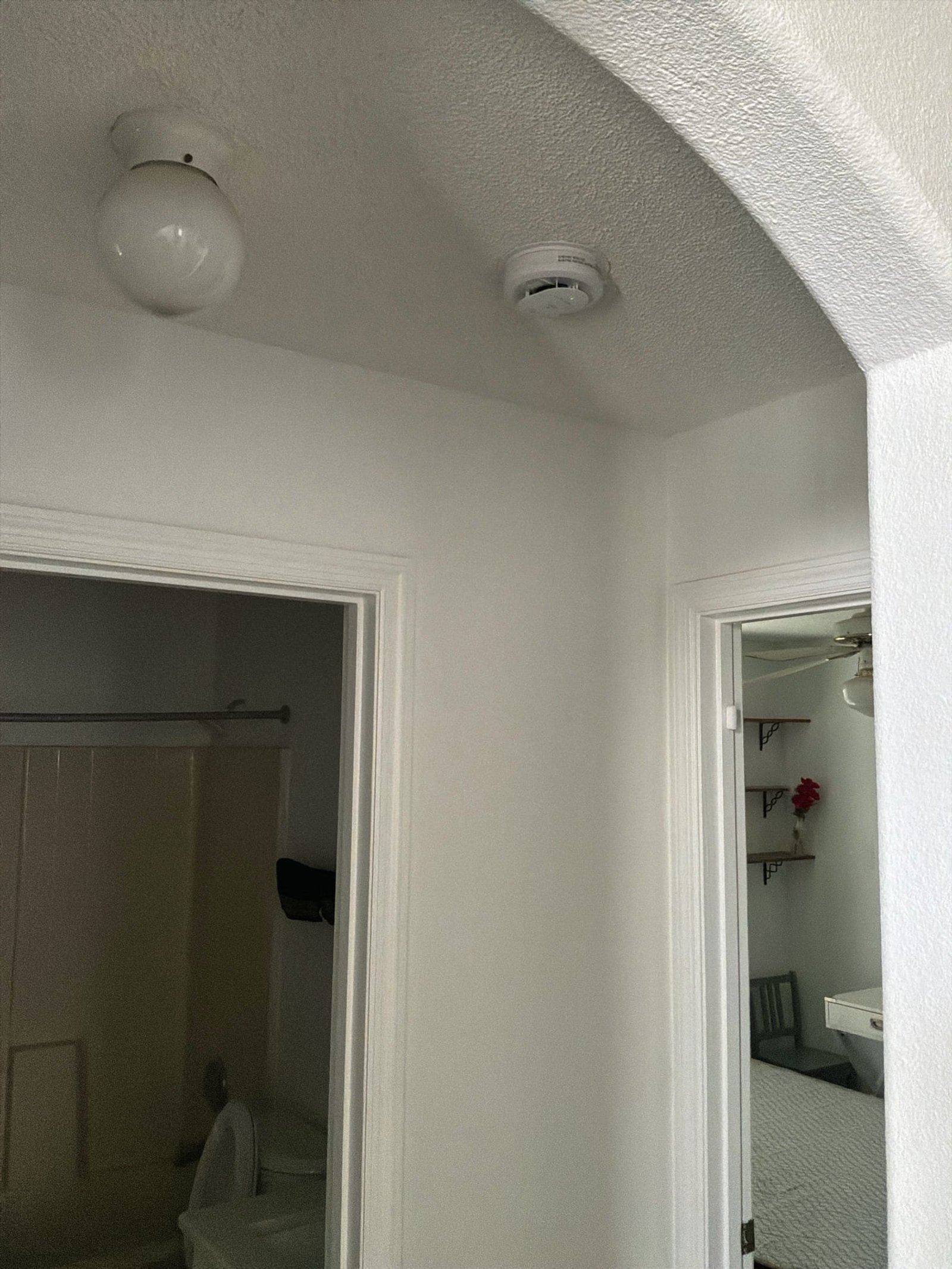
How Hardwired Alarms Work
Hardwired alarms tie into your house wiring at the panel. They run on utility power, and nearly all of them carry a backup cell. A licensed electrician installs them, and they are almost always linked to each other. So when one unit senses smoke, every alarm in the house sounds.
That matters in the floor plans we build here. A two-story Winter Park home or a long Oviedo ranch puts bedrooms far from the garage. Linked alarms wake the far end of the house in seconds.
How Battery Alarms Work
A battery alarm mounts almost anywhere, because it needs no wiring at all. It costs little up front, and a renter can put one up in minutes. The catch is simple, though. A dead cell means a silent alarm, and most stand-alone units sound only themselves.
Storm Season Puts Alarms to the Test
Florida sees more lightning strikes per square mile than any other state. Brief outages and voltage spikes are routine from June through November. A hardwired alarm rides those blips out on its backup cell, so your coverage never pauses. A battery unit can ride them out too, but only when the cell inside is fresh.
Surges are the other risk here. That is why we often pair new alarms with the steps that prevent dirty power in your Orlando home.
Heat and Humidity Shorten Cell Life
Attic heat is the quiet enemy of any battery-powered alarm. A ceiling unit near a hot attic hatch runs warmer than the label assumes. Cells then fade months ahead of schedule. Humidity adds a second problem.
Steam from a shower or a smoky pan can trip a false alarm. Many people pull the cell to stop the noise, and then forget it. Never leave an alarm disabled, not even overnight. Move the unit a few feet instead, or switch to a photoelectric model that shrugs off steam.
Hardwired Smoke Detectors Orlando Homes Rely On
One alarm chirping in an empty hallway helps nobody. Linked units warn the whole house at once, whichever room fills with smoke first. Most stand-alone battery models simply cannot do that. We rebuilt that setup for a growing family near Maitland, and you can see how we handled whole-home fire safety for an Orlando-area home.
What Florida Code Expects
New builds and major remodels call for linked alarms with battery backup. That requirement comes from the Florida Building Code, backed by the national fire alarm standard from the NFPA. The National Electrical Code governs the wiring itself, not where alarms go. Those placement rules ask for an alarm in every bedroom, outside each sleeping area, and on every level.
Where Alarms Belong in Your Home
Position drives performance more than price does. A good layout in an Orlando house follows a few plain rules.
- Put an alarm inside each bedroom and just outside every sleeping area.
- Cover every level, including a bonus room above the garage.
- Keep alarms at least 10 feet from the range, so cooking does not set them off.
- Stay out of the direct blast of an air conditioning vent or ceiling fan.
- Skip steamy baths and hot garages, where false trips are common.
- Add a combined smoke and carbon monoxide alarm near an attached garage.
A Monthly Test Routine That Sticks
Testing takes one minute and settles a lot of worry. Press the test button on each unit once a month. Vacuum the vents twice a year, because Florida dust and pollen build up fast. Swap the cells in every battery-powered alarm on a date you will remember, such as the start of hurricane season.
Smart Alarms and Phone Alerts
Connected alarms add a useful layer for travelers and second homes. They push a message to your phone when the house sits empty. Some models even name the room, which helps a neighbor act fast. A few battery models now carry the same radio link, though they still lean on that one cell.
Either way, ask one question before you buy. Does the alarm still sound normally when the home network drops?
What an Install Actually Involves
Retrofit work means pulling three-conductor cable between each location. With open attic access, that run is usually simple. Older bungalows near downtown Orlando have tight framing and packed insulation, so the job takes longer. Your electrician should scope the route before quoting a price.
Permits follow the scope of the work. Swapping alarm for alarm on existing wiring rarely triggers one. New cable or a new circuit usually does. Ask which rules apply at your address in Orange or Seminole County.
Questions to Ask Before You Buy
A short list of questions saves money later.
- How old are the alarms on your ceiling right now?
- Does the home already have linking wire in place?
- Do you want photoelectric, ionization, or a dual-sensor unit?
- Should any alarm also sense carbon monoxide?
- Will the alarms send an alert to your phone, and who gets it?
Every alarm carries a build date on the back. Replace any unit older than ten years, even if it still chirps in a test. The Electrical Safety Foundation International posts plain reminders you can tape inside a cabinet door.
Choosing Between Wired and Battery Alarms
Most homeowners in our area are better off upgrading to hardwired smoke detectors Orlando electricians can link room to room. Battery units still earn a place in a rental, a guest room, or a shed office. Sealed ten-year models also cut the yearly cell swap. Mixing both is fine, as long as every required spot has coverage.
Not sure where your home stands today? Our Orlando home electrical safety checklist walks you through the rest of the system. Professional smoke detector installation then gets each alarm placed and wired to code the first time.
Fire safety should never rest on a fading cell. Call Thomas Edison Electric at (407) 490-0004 to price a linked alarm system for your home, or to book a quick alarm review. We serve Orlando, Winter Park, Lake Mary, and nearby towns under Florida license EC13015487.