
Chemical plants run on power, and the risk here is real. Our weather makes the job harder. Flammable vapor, wash-down water, and the heaviest lightning in the country share one site. This guide covers the electricial safety solutions Orlando plants use most, and why our weather drives every one of them.
What Our Climate Changes
Start with lightning. Strikes land near plants here on most summer days. A big motor shrugs that off. Meters, sensors, and network gear do not.
Then add damp air. Water forms inside pipe and boxes, then drips onto screws and lugs. Rust follows, and rust acts like a slow short.
Storm season runs from June through November. Plan for a long outage, not a brief blink.
Map the Hazard Zones First
Nothing gets bought until someone maps the hazard zones. The National Electrical Code covers this in its 500 series, and that map drives every choice after it.
A Class I zone has flammable gas or vapor in the air. Division 1 means it is there during normal work. Division 2 means it shows up only when something breaks.
Getting those lines right saves money. Draw them too wide and you buy gear you never needed. Draw them too tight and you leave a spark source in the room.
The NFPA puts out both the Code and NFPA 70E. Those two books sit behind every choice on this page.
Electricial Safety Solutions Orlando Plants Rely On
Once the zones are set, the parts list follows. These items show up on almost every job we quote here.
- Sealed or purged boxes rated for the zone they sit in.
- Seal fittings at each zone line, so vapor cannot travel down a pipe.
- Low-energy sensor circuits and barriers, where the process allows.
- Stainless or plastic boxes where wash-down eats painted steel.
- Lights and motor leads listed for the spot, not just marked for outdoor use.
- Rust-proof strut and clamps, since plain steel gives out fast in warm, wet rooms.
Grounding, Bonding, and Static
Static is the spark source people forget. Move a flammable liquid from a truck to a tank to a drum, and charge builds fast.
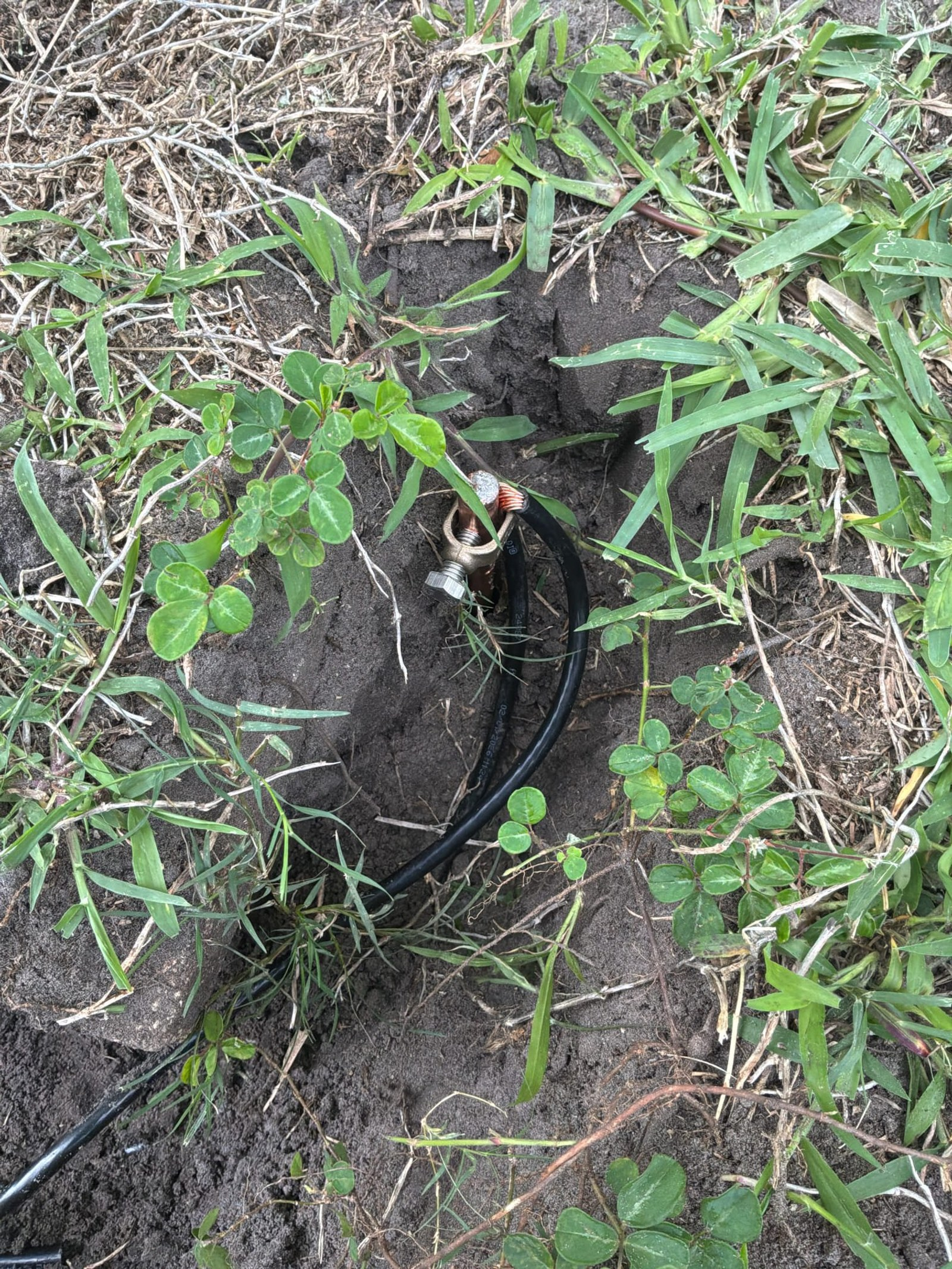
Bond cables and clamps give that charge a way out. Test the ground rods and write down the readings. Do not assume them.
Sandy soil and a moving water table shift those numbers by season. A May test can look nothing like a September test.
The same rules scale down to a house. This grounding gap behind shock complaints at an Orlando area home shows how fast a weak ground path turns into a real hazard.
Surge Gear for Controls and Sensors
Lightning rarely kills a big motor. It kills the controller, the meter, and the switch on the wall.
A layered approach works far better. Put one device at the service, one at each key subpanel, and one on data and sensor lines.
The National Weather Service lightning safety pages show how often strikes land close by. Close by is close enough to fry a board.
Backup Power That Works in November
Fans, pumps, and alarms cannot pause when the grid drops. Here, backup power is a safety system, not a perk.
- Test the transfer switch under load, not just at idle.
- Line up fuel and a delivery contract before June.
- Write down which loads must run and which ones can be shed.
- Keep spare breakers and control fuses on the shelf.
- Check start batteries and chargers on a set date.
Heat Is Hard on Drives and Gear
Every rating assumes a room temperature, and ours often runs past it. A control room at 95 degrees derates each part inside it.
Drives feel it first. Filters clog, small fans quit, and the drive backs off or faults out.
So cooling and filters belong in the electrical plan. So does a heat alarm on any room full of key gear.
Wire size matters too. A cable tray in full sun needs a bump in size, not a stock table value.
Arc Flash Studies and Crew Training
NFPA 70E covers safe work habits. A current arc flash study gives you the numbers and the labels your crew reads before they open a door.
Those studies go stale in quiet ways. Add a transformer, change a feed, or swap breakers, and the numbers move.
Training counts just as much. Lock out and tag out only works when every hand does it the same way.
Upkeep in a Warm, Wet Place
Without upkeep, the electricial safety solutions Orlando plants pay for slowly stop working. Our climate sets the pace, and it is a fast one.
- Scan gear with an infrared camera while it runs, to spot hot lugs early.
- Re-torque screws after months of heat swings.
- Add drains and vents where water pools inside pipe.
- Swap door gaskets before storm season starts.
- Test motor insulation on anything that gets washed down.
Most teams start with a written walkthrough. Our guide to electrical standards in the workplace and our piece on electrical maintenance for commercial buildings both pair well with a formal electrical safety inspection.
Close the Gaps Before June
Spring is the cheap time to fix what you find. The same gaps cost far more once the storms start.
Thomas Edison Electric works with plants and shops across Orlando, Apopka, Sanford, and Kissimmee. Call (407) 490-0004 to set up a site walk, and ask for our Florida license number EC13015487.