
Owners who look up “electrical standards workplace Orlando” want two answers: what the rules require, and who comes to check. The list is much the same for a diner on Mills Avenue, a warehouse off the 417, or a salon in Winter Park. Safe wiring keeps your crew whole and your doors open.
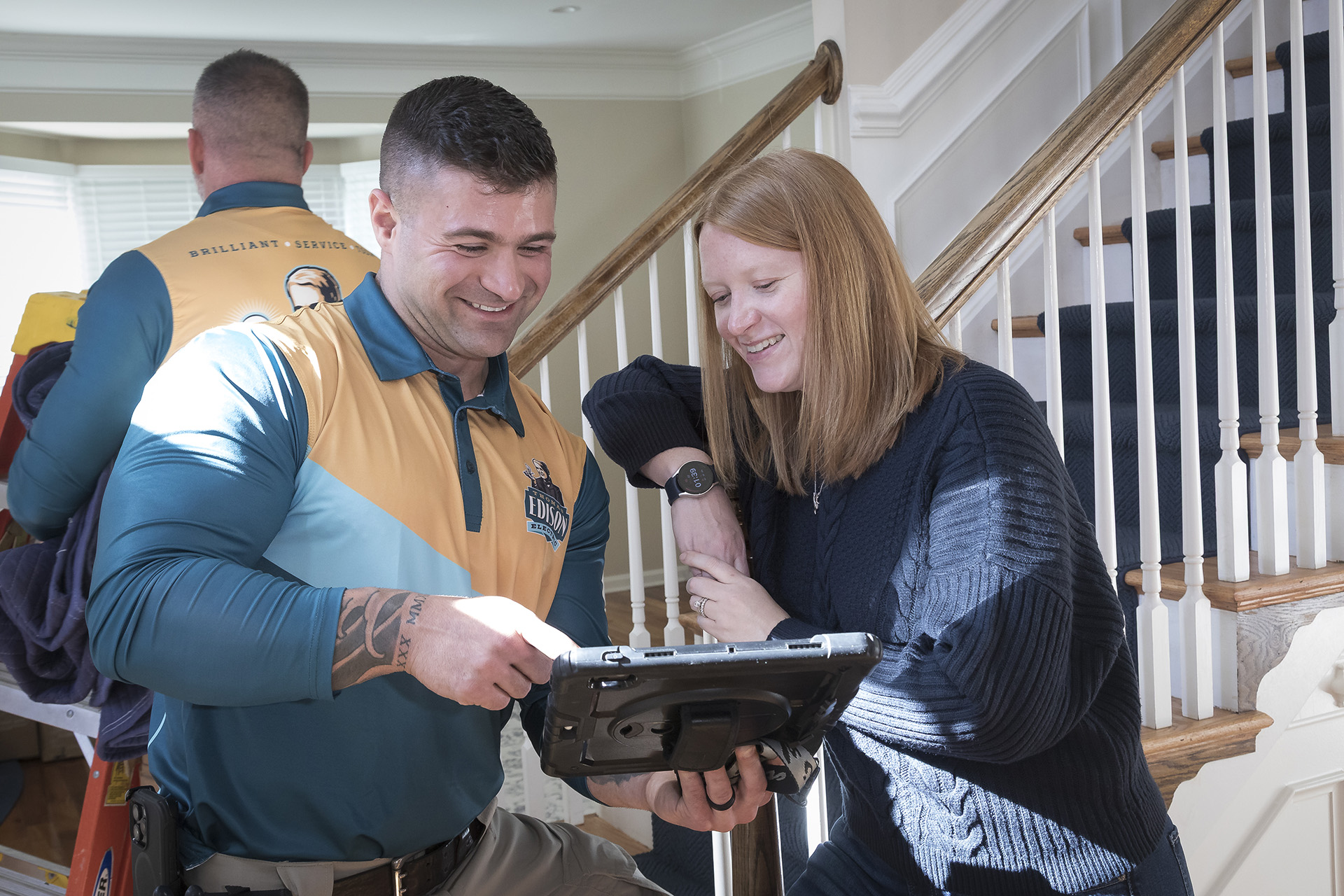
Here is how the pieces fit in Central Florida. We also cover what an inspector looks at first.
Three Rule Books, Three Jobs
OSHA sets rules for you as an employer. It covers safe work habits, guarding, and the gear your staff touches all day.
The National Electrical Code, or NEC, covers how the wiring is built. Florida adopts the NEC through the state building code. Your county building office then checks the work through permits.
NFPA 70E covers how trained people work on live gear. It drives arc-flash labels, safe clothing, and shutdown steps. Most owners never read it. Their electrician should.
Where an “Electrical Standards Workplace Orlando” Review Starts
The same findings show up year after year. All of them are easy to see. All of them are cheap to fix now.
- Clear space at each panel: about three feet deep and thirty inches wide, with no boxes stored there.
- A current circuit list, so anyone can kill the right breaker fast.
- Covers and blanks in place on panels, boxes, and open knockouts.
- GFCI outlets in kitchens, prep areas, rest rooms, roofs, and outdoors.
- Cords used for short-term needs, never as built-in wiring.
- Arc-flash labels on gear that may be opened while live.
- Grounding and bonding checked on new gear, not just the old build.
None of this is exotic. It slips because new gear arrives faster than new circuits do.
Traps We See in Small Shops
Growth is what breaks most systems. A cafe adds a second espresso machine. A gym adds a row of treadmills. Nobody adds a circuit.
Then the trouble starts. Breakers trip during the lunch rush. A power strip runs a cooler behind the counter. Stock gets stacked in front of the panel because floor space is tight.
Old labels cause their own mess. Many suites here still carry a circuit list from a tenant who left years ago. Ask for a fresh load count and a fresh list before you add gear.
Heat, Rain, and Outdoor Gear
Much of our trade happens outside. Patio bars, food trucks, drive-thru lanes, and roof units all sit in the weather.
Damp air settles inside outdoor boxes. Storms drive rain sideways. Within a few years you get rust, green lugs, and trips nobody can explain.
Ask for weather-rated boxes, in-use covers, and coated hardware. Then look at them twice a year. A rusted switch at the walk-in cooler is a closed day waiting to happen.
Storm Season Is a Business Plan
From June to November, power is part of staying open. Outages here can last days, not minutes.
Decide now what has to stay on: coolers and freezers, card readers and servers, cameras, and enough light to work safely. Write that list before you price anything.
A right-sized generator with a transfer switch decides whether you open Tuesday or next month. Surge guards matter just as much. We get more lightning than any other part of the country. One hit can wipe out registers and kitchen boards at once.
Exit and emergency lights need testing too. Fire inspectors ask about those early, so keep the test log with your other records.
Plan Before You Add Load
New gear is where most code trouble starts. A fryer, a compressor, a kiln, or a bank of chargers can change what your service can carry.
Get a load count first. It is a short job that tells you if the service holds, if you need a subpanel, or if the utility has to be involved. Doing it early keeps the build on schedule.
Car chargers deserve their own look. Many Orlando employers now add them for staff or guests. Each unit needs its own circuit, the right wire size, and a plan for how many can run at one time.
Keep Records, Not Memories
Paperwork is what sets a well-run building apart. Insurers, inspectors, and buyers all ask for it in the end.
Keep one file. Put panel lists, permits, heat-scan results, and dated repair notes in it. Book service once a year, and more often for kitchens, shops, and heavy motor loads.
Our guide to electrical maintenance for commercial buildings shows what belongs on that list. Rules shift too, so track recent code changes before you plan a build-out.
Train the People Who See It First
Your staff spots trouble long before an inspector does. Give them a short list and an easy way to report it.
Ask them to flag warm outlets, buzzing lights, breakers that trip, torn cords, and any tingle from a machine. Then make one rule clear. Nobody resets the same breaker twice without a call.
The NFPA writes the codes behind these habits. The Electrical Safety Foundation posts free training sheets you can hang in a break room.
What a Site Visit Finds
Real trouble hides behind covers. Loose lugs, double-tapped breakers, rusty bus bars, and worn neutrals stay quiet until something fails.
A routine call turned up that kind of hidden wear during a panel service visit in Orlando. In practice, “electrical standards workplace Orlando” comes down to that habit. Open the panel, test it, and write down what is really there.
A booked electrical safety inspection gives you that baseline on paper. From there you can plan repairs by risk instead of by surprise.
Want your building checked and on record? Call Thomas Edison Electric at (407) 490-0004. We work in Orlando, Maitland, Altamonte Springs, and Kissimmee under Florida license EC13015487.