
In Central Florida, the garage does everything. It is a shop, a gym, a laundry room, a storm pantry, and home to the second fridge. It is also the hottest, dampest room you own. That is why electrical safety in an Orlando garage is its own puzzle.
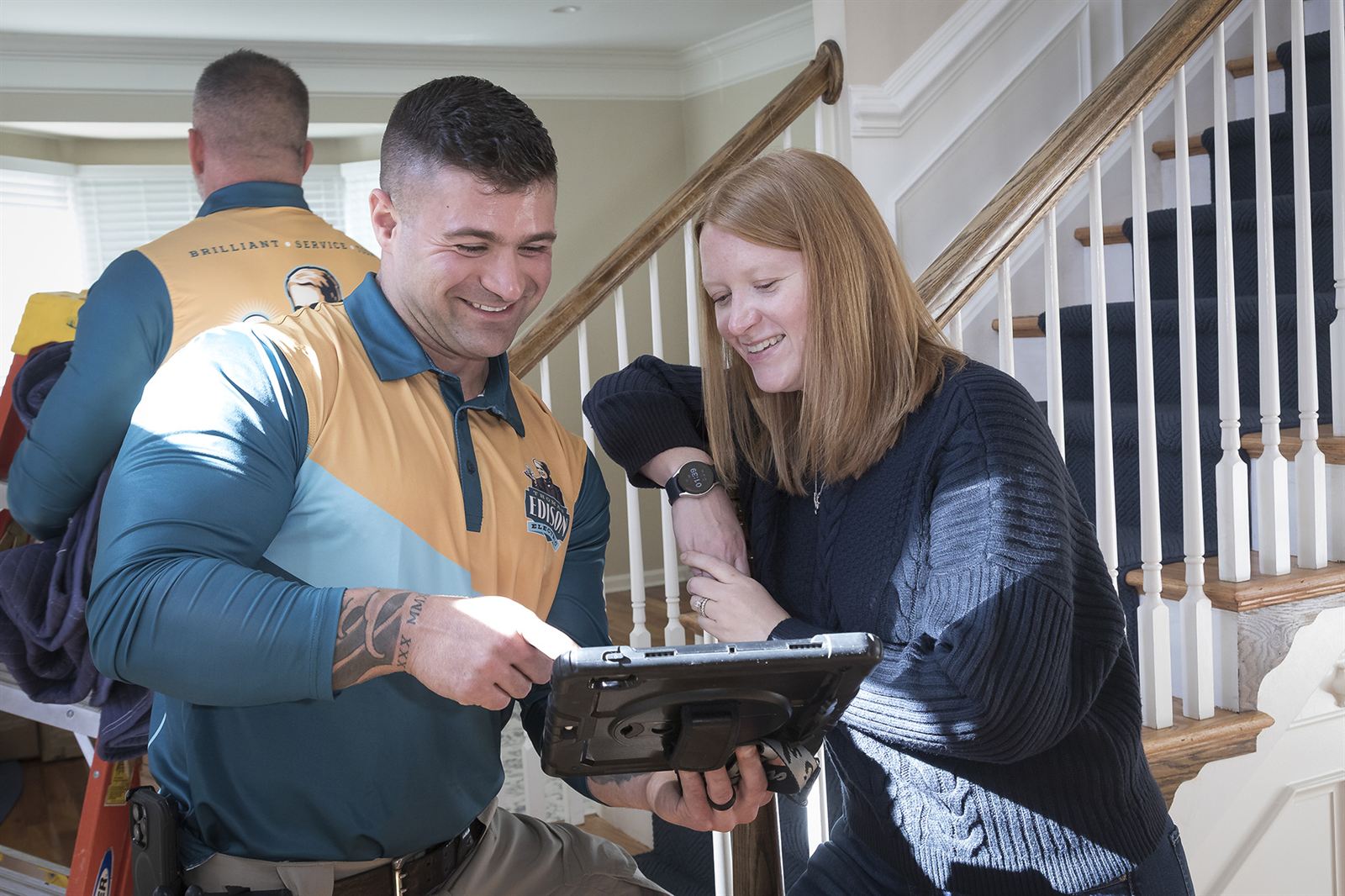
Most garages here were wired for a light, a door opener, and two outlets. Then real work moved in. Here is how to close that gap without guessing.
What Our Climate Does to a Garage
An uninsulated garage in Ocoee or Apopka can sit above 100 degrees for weeks. That heat shortens the life of cords, tool motors, and cheap power strips.
Damp air does quieter harm. It settles on metal tools, plug prongs, and the inside of outdoor boxes. After a few summers you get rust, pitting, and warm connections.
Afternoon storms add water at floor level. Wind-driven rain slips under the door and pools right where cords and shop vacs live. So outlet height and cord habits matter more here than most people think.
Know Your Circuit Capacity First
Before you buy one more tool, find out what feeds the space. In many area homes, a single 20-amp circuit serves the garage outlets, the outside outlets, and sometimes the opener.
A table saw or a big compressor can pull most of that on startup. Add a freezer and a work light, and the breaker starts to trip. That is not a quirk. That is the breaker doing its job.
The fix is more capacity, not a bigger breaker. Based on your panel, that may mean new 20-amp circuits, a 240-volt circuit for heavy tools, or a small subpanel in the garage. Our guide to planning a home workshop walks through how to size it.
An Electrical Safety Plan for Hot, Damp Shops
A good setup is boring on purpose. Everything has a home, nothing is rigged, and water has nowhere to sit.
- Mount outlets at bench height, about 42 to 48 inches, so cords stay off a wet floor.
- Use in-use covers on any outlet on an outside wall, even under a soffit.
- Add ceiling drops or reels over the bench instead of cords across the floor.
- Pick outdoor-rated cords sized for the tool, and retire any that feel warm.
- Skip chained power strips. They are a sign of missing circuits.
- Move some air. A fan or small vent cuts the damp on tools and boxes.
- Keep a fire extinguisher rated for live gear within a few steps of the bench.
GFCI Outlets and the Garage Freezer
Garage outlets need ground-fault protection. A GFCI device watches current on both wires and cuts power in milliseconds when it sees leakage. On a damp slab, that is what stands between you and a bad shock.
Floridians hit a snag here: the garage freezer. Older compressors can leak just enough current to trip a GFCI, and you find warm food days later.
Do not defeat the device. Better answers exist. Put the freezer on its own circuit, use a newer GFCI that handles motor loads, and add a temperature alarm. If one appliance keeps tripping, that appliance is usually telling the truth.
Tingles, warm faceplates, or outlets that quit for no reason point at grounding trouble. See how we traced that in one Orlando home with tingling outlets.
Light You Can Actually Work Under
One bulb in the middle of the ceiling throws shadows right where your hands are. Poor light causes more shop injuries than most wiring faults do.
Linked LED strips across the ceiling give even light and run cool. That helps in a space with no AC. Add task lights at the bench and over each stationary tool. Damp-rated fixtures hold up better in our air.
While you are up there, check boxes and fixtures for pests. Wasps, ants, and rodents love garages and attic edges, and a nest inside a box causes faults. For layout ideas, read our notes on outlets for Orlando home workshops.
Generators, Fuel, and Storm Season
Hurricane season pushes generators and fuel cans into the garage. Store them there if you must, but never run one inside. An open door does not clear carbon monoxide, and that mistake kills people every season.
Run portable units well away from the house, downwind of doors and windows. If you want to power circuits instead of single items, have a pro fit a transfer switch or an interlock kit. Feeding the panel through a dryer outlet puts utility crews at risk.
The Electrical Safety Foundation posts free shop and storm guides. The NFPA writes the National Electrical Code that Florida adopts.
Signs It Is Time to Call a Pro
Some warning signs deserve a call the same week you spot them.
- Breakers that trip when a tool starts, or that feel warm at the panel.
- Lights that dim hard each time the compressor kicks on.
- Rust, water, or insect nests in the panel or an outdoor switch.
- Two-prong outlets, or any outlet with no proven ground.
- A burnt smell, a buzzing device, or scorch marks on a plate.
A booked electrical safety inspection catches most of this before it costs you a tool or a weekend. It also gives you a straight answer about what your garage can support today.
Building out a shop in Winter Park, Oviedo, Longwood, or Kissimmee? Call Thomas Edison Electric at (407) 490-0004 and we will size the circuits right the first time. We hold Florida license EC13015487.