
Electrical injuries rarely make the evening news, yet they happen in normal houses. Safety groups have tracked the same patterns for decades: water, damaged wiring, overloaded circuits, and contact with live parts. The electrical injury statistics Orlando homeowners read about matter less than the habits behind them. This guide looks at what those patterns mean for a Central Florida home.
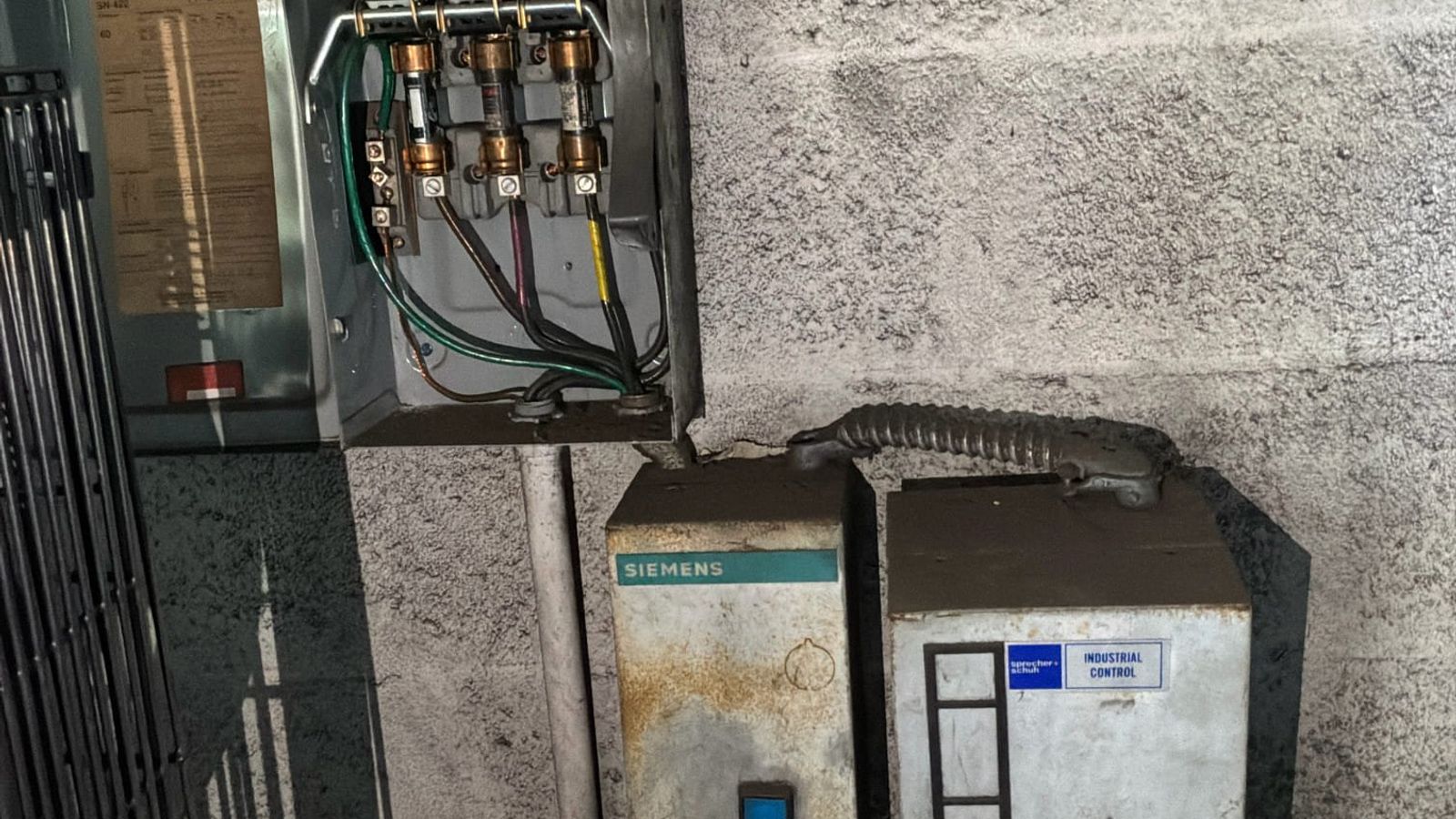
We’re not going to throw numbers at you. Figures shift from year to year and from source to source, so the buckets are the useful part.
What the Research Really Shows
Groups such as the Electrical Safety Foundation International and the NFPA study shocks, burns, and home fires. Their reports change as data gets better. The root causes barely move.
Year after year, the same things show up in incident reports. That is good news, because it means most of this is easy to stop. ESFI publishes plain-language home electrical safety resources that cover most of it.
Electrical Injury Statistics Orlando Homeowners Should Take Seriously
Strip away the charts and a short list remains. These are the cases that send people to the ER.
- Touching live parts during DIY work with no permit
- Old, cracked, or rodent-chewed wiring in attics and crawl spaces
- Water meeting power at pools, lanais, kitchens, and laundry rooms
- Overloaded circuits and cords used in place of real wiring
- Missing GFCI and AFCI protection in older houses
- Bad generator hookups during and after storms
Notice how plain that list is. None of these need odd gear or bad luck. They build slowly in normal homes.
Kids change the math as well. Curious hands and open outlets are a long-standing cause of burns. Tamper-resistant outlets are the rule in homes now, and swapping old ones is cheap.
Water Is Everywhere in Central Florida
Pools, spas, screened lanais, and outdoor kitchens define life here. Every one of those spaces mixes people, bare feet, and power. Pool pumps, lights, and heaters need GFCI protection and the right bonding.
Sprinkler timers, well pumps, and yard lights need the same care. Damp air and daily rain eat outdoor joints faster than most owners think. A tingle at a switch or a pool ladder is never normal.
One Orlando family called us after feeling just that. You can see how we traced those shock complaints to a grounding gap.
Storm Season Adds Its Own Risks
Central Florida gets more lightning than any other part of the country. Summer storms hurt wiring in ways that stay hidden for months. A surge can weaken a device today and start a problem next spring.
Hurricane season brings a second set of risks. Portable generators hurt people when they are backfed into a house through a dryer outlet. That trick also puts power crews down the street in danger.
Use a proper interlock or transfer switch instead. Keep generators outside and well away from windows. The National Weather Service offers plain lightning safety guidance for families.
Older Orlando Homes Carry Extra Risk
Houses in College Park, Colonialtown, and Winter Park have real charm. Many also have ungrounded two-prong outlets and a small original service. A three-prong adapter does not create a ground path.
Homes built in the mid-1960s and 1970s sometimes have aluminum branch wiring. Joints loosen over time, which makes heat at outlets and switches. Some panel brands from that era also have a poor track record.
Attics deserve their own mention in Florida. Rats, squirrels, and roof leaks all reach wiring that nobody looks at for years. Chewed insulation on a hot attic run is a quiet fire risk.
None of this means your house is unsafe. It does mean an inspection is worth booking before you remodel or add a big appliance.
If Someone Is Shocked
Seconds matter, and the wrong instinct makes things worse. Reaching for a family member is natural, yet it can put a second person in the circuit. Keep these steps in mind before you ever need them.
- Do not touch the person while the power may still be on
- Shut off power at the breaker, or unplug the cord if you can do it safely
- Call 911 and say what happened
- Start CPR if the person is not breathing and you are trained
- Get checked out even after a shock that seems minor
Steps That Really Work
Most incidents trace back to a handful of fixable things. In other words, the electrical injury statistics Orlando homeowners worry about describe events we can stop. Start with the right devices, then work on habits.
Put GFCI protection in kitchens, baths, garages, laundry rooms, and every outdoor spot. Add AFCI protection to bedroom and living-area circuits. Test smoke alarms monthly and swap the units on schedule. Our home electrical safety checklist walks through the rest.
Stop using cords in place of real wiring, and add outlets where you keep reaching for one. Unplug your electronics when a storm rolls in, or add whole-home surge protection. Our list of electrical safety tips for the home covers daily habits in more detail.
Finally, book a pro review every few years. An electrical safety inspection finds loose joints, ungrounded circuits, and overloaded panels before anyone gets hurt.
Talk With a Licensed Orlando Electrician
Thomas Edison Electric helps families in Orlando, Ocoee, Apopka, Longwood, and Kissimmee cut daily electrical risk. We put in GFCI and AFCI protection, fix grounding problems, and update aging panels. Call (407) 490-0004 to book an inspection. Our Florida license number is EC13015487.