
Most home wiring trouble is easy to prevent. Type “electrical safety home Orlando” into a search bar, though, and you mostly get a national checklist with a city name stapled on. Our weather sets a different order of work. Heat, damp air, lightning, and standing water are the four forces working on your wiring right now.
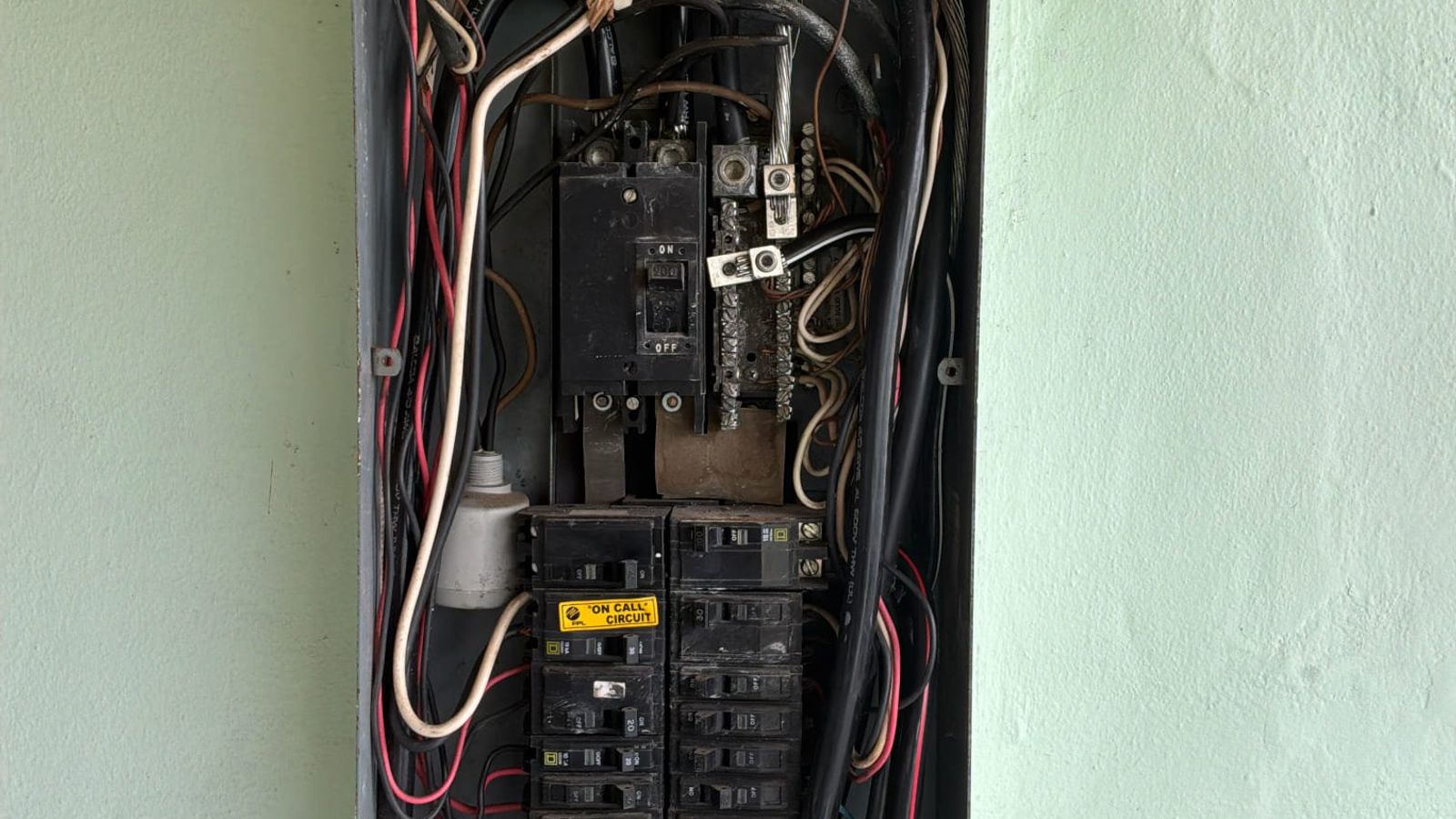
Here is a plain routine for Central Florida houses. It fits both a 1960s block home near downtown and a new build in Lake Nona.
Test the Devices That Protect You
GFCI devices guard you from shock in wet areas. AFCI breakers watch for the arcing that starts fires in walls. Both are moving parts, and both wear out.
Press the test button on each GFCI once a month. Power should cut at once, and reset should bring it back. If it will not trip, will not reset, or feels loose, swap it out.
Outdoor units age faster here. Heat and damp air are hard on them. Many last only a few years on a lanai or pool deck. Treat that as normal upkeep, not a defect.
Outdoor Circuits Take a Beating
Walk your yard twice a year. Do it once before storm season and once after. You are hunting for two things: water paths and rust.
Check that each outdoor outlet has an in-use cover. It must close over a plugged-in cord. Then look at the AC disconnect, the pool pump, and the sprinkler timer. Fire ants and wasps do nest inside those boxes, and the nests cause faults.
Never spray water into a panel or a disconnect to clear pests. Treat the ground nearby instead. Call for help if you see rust streaks, stains, or a door that no longer seals.
Lightning and Surge Habits
Our region logs more lightning than any other part of the country. Surges ride in on power, cable, and phone lines alike.
Layers work better than one power strip. A surge device at the panel takes the big hits. Plug-in units then guard your TV, computer, and the control boards inside newer appliances. Check the status light on both each season.
Stay off corded gear during a storm, and get out of the pool. Afterward, look for scorch marks, dead outlets, or an air handler that will not start. Those are signs of surge damage, not bad luck.
Fans, Fixtures, and Attic Heat
Fans run nearly year-round here, so the mounts work harder than in most markets. A fan must hang from a fan-rated box, not a plain light box.
Wobble usually means loose mounting or a bent blade arm. A click, a hum, or a warm canopy is worth a closer look. Clean the blades and check the box screws once a year.
Respect the wattage limit on each fixture. LED lamps run cool and cut heat in the room, which helps your AC. If a can light near the attic feels hot, stop using it until it is checked.
Smoke and Carbon Monoxide Alarms
Alarms belong on every floor, inside each bedroom, and outside each sleeping area. Linked units are far better. One alarm then sounds the whole house.
Test them monthly. Replace the units about every ten years. Add carbon monoxide alarms if you have gas appliances or an attached garage. After a hurricane, portable generators become a common source of that gas in homes.
See how a whole-home alarm upgrade came together for one Maitland family, with linked alarms and a panel review in the same visit.
Older Homes Need Extra Eyes
Plenty of homes in Winter Park, Ocoee, and central Orlando date to the 1950s and 1960s. They are solid houses with dated wiring.
Watch for two-prong outlets, cloth-covered cable, and panels with no room left. Homes from the mid-1960s through the 1970s may also have aluminum branch wiring. That needs proper connectors and a pro to sort out.
None of it means the house is unsafe today. It does mean you want a real check before you add a big load, like a range, a hot tub, or a car charger.
What “Electrical Safety Home Orlando” Looks Like Season by Season
Use this short list as your pass through the house each season. It takes about an hour.
- Test every GFCI, and press the test button on AFCI breakers.
- Confirm the panel is labeled, closed, and clear for three feet in front.
- Feel outlets and switch plates. Any warmth is a reason to call.
- Retire cracked, warm, or frayed cords. Do not tape them.
- Check the surge device light at the panel.
- Look at outdoor covers, the AC disconnect, and pool gear for water and pests.
- Make sure everyone at home can find and shut off the main breaker.
Our Orlando home electrical safety checklist covers the same ground in more detail. If small kids live with you, also read how to childproof outlets. Tamper-resistant outlets beat plastic caps every time.
Know Where DIY Ends
Changing a bulb or a lamp cord is homeowner work. Anything behind a faceplate, inside a panel, or outdoors in the weather is not.
Call a licensed pro for breakers that keep tripping, buzzing devices, a burning smell, or a tingle from an appliance. The same goes for an outlet that quits with no clear cause.
For more reading, both ESFI and the NFPA post free homeowner guides. An electrical safety inspection is the fastest way to get a written picture of your system.
Almost everything filed under “electrical safety home Orlando” comes down to small work, repeated often. When you want a pro set of eyes on it, call Thomas Edison Electric at (407) 490-0004. We serve Winter Park, Oviedo, Sanford, Ocoee, and the rest of the metro under Florida license EC13015487.