
Campuses across Orange, Seminole, and Osceola counties run hard all year. The A/C never really stops, classroom tech keeps growing, and portables fill in when more kids enroll. Finding an electrical contractor schools Orlando students attend can trust takes more than a low bid. It takes a team that knows code, campus schedules, and Florida weather.
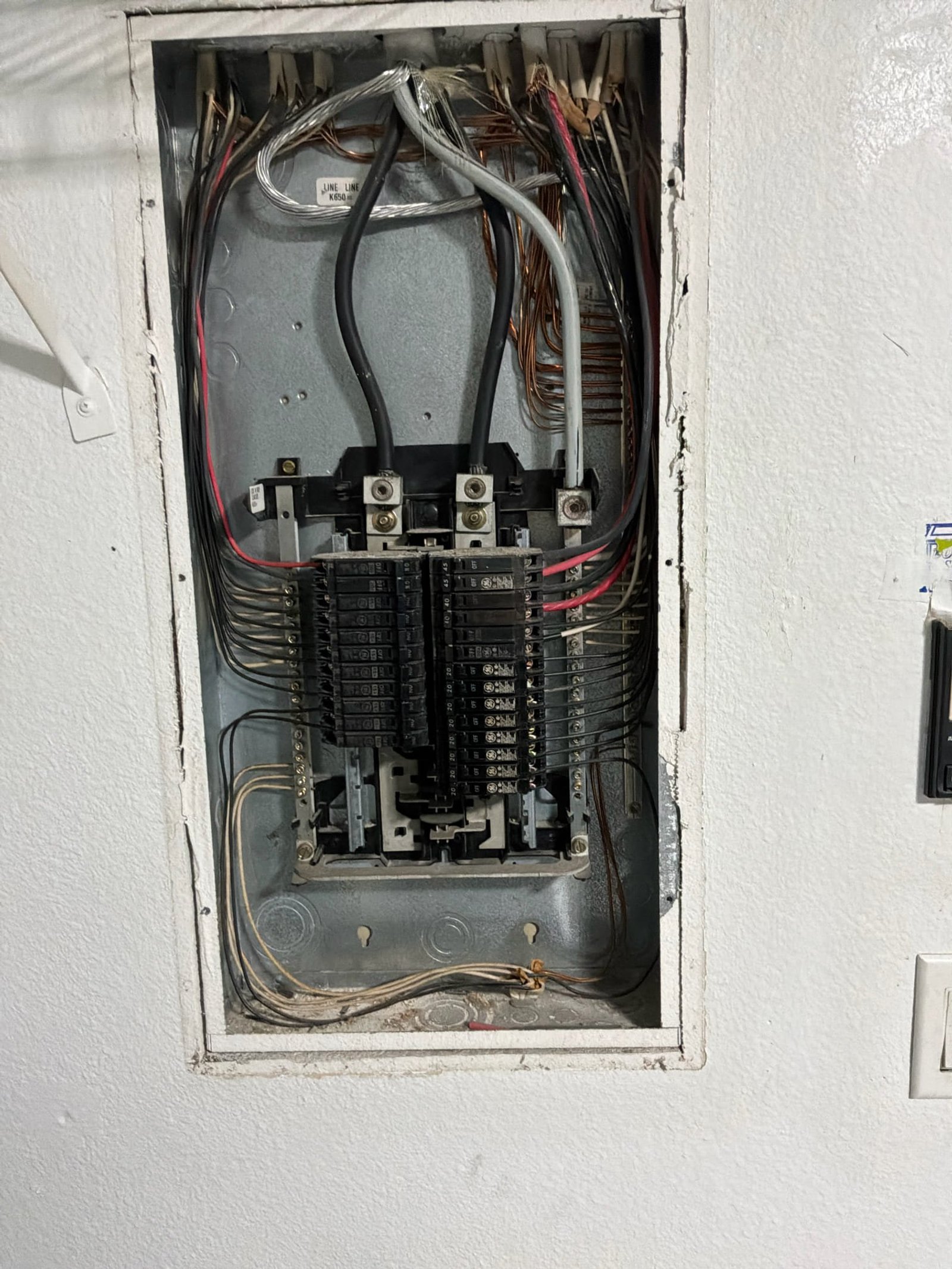
This guide covers what campus teams should expect from an electrical partner. It also covers the Central Florida weather that shapes every campus job.
What an Electrical Contractor Schools Orlando Students Attend Should Handle
School buildings are not just big houses. One campus may hold classrooms, a kitchen, science labs, a gym, ball fields, and an office wing. Each of those spaces falls under its own code rules.
- Service entrance, switchgear, and panel work
- Dedicated circuits for kitchen, lab, and shop gear
- Data closets, server rooms, and low-voltage cabling
- Fire alarm circuits, exit signs, and egress lights
- Outdoor lighting, gate operators, and marquee signs
- Generator hookups and transfer switches
Kitchen gear deserves its own mention. Warmers, dish machines, walk-in coolers, and hoods pull heavy current for hours. Those circuits need the right size, GFCI protection near sinks, and a shut-off you can reach.
Security systems have grown too. Cameras, door access, intercoms, and visitor check-in all run on steady low-voltage power. Planning that work with the electrical scope avoids double pathways and messy rework.
Ask any bidder how they log their work. Clear panel schedules, as-built drawings, and labeled circuits save your staff years of guessing.
Cooling Load Is the Big One Here
Heating season is not the worry here. Rooftop units, chillers, and split systems run from February through November on most campuses. That steady draw shapes every panel and feeder choice.
When a wing gets new devices or a lab grows, the load shifts again. A fresh load study before the work starts keeps you from finding the problem in August. Energy controls can also shave peak demand without hurting comfort.
Portables, Add-Ons, and Fast-Growing Towns
Enrollment moves fast in Lake Nona, Horizon West, and Winter Garden. Portable classrooms often show up before a new wing is funded. Each one needs the right feeder, a shut-off, grounding, and its own breakers.
A portable may be temporary. Its wiring should not be. Feeders in the ground must be rated for wet soil, because Florida dirt stays soaked for weeks after a storm. Careful routing also keeps conduit away from car lines and play areas.
Lightning, Surge Protection, and Shelter Duty
Central Florida sees more lightning than any other part of the country. One strike can knock out a bell system, a door access panel, or a rack of switches. Those costs land right on the upkeep budget.
Surge protection belongs at the service entrance and at key gear. Many Central Florida campuses also serve as public shelters during hurricanes. That role makes generator hookups, transfer switches, and load-shed planning matter a lot.
Test that gear on a schedule, not after the forecast turns. A generator that has not run under load is a guess, not a plan.
Life Safety Systems and Code Rules
Fire alarm circuits, egress lights, and exit signs carry strict rules. The Florida Building Code adopts the National Electrical Code, and local offices may add rules of their own. Inspections follow a set order, so timing matters.
GFCI protection is required in kitchens, labs, art rooms, and outdoor areas. Pool decks add bonding rules around the pump gear. Arc-flash labels and safe work habits protect your own crew as well.
Staff training closes the loop. Custodians and techs should know which panels they may open and which they may not. ESFI publishes clear workplace electrical safety resources that work well for new hires.
Alarm systems deserve the same care. You can see how we approached interconnected smoke detection on a recent Maitland project. The same logic scales to a hallway full of classrooms.
Lighting for Classrooms, Fields, and Car Lines
Good light helps reading, testing, and focus. LED swaps cut power use and cut the ladder time your staff spends changing lamps. Sensors add savings in rooms that sit empty half the day.
Outside, the job shifts to safety and sight lines. Parking lots, walkways, bus loops, and car lines all need solid fixtures and photocell control. Field lighting brings its own poles, controls, and upkeep.
Florida sun is hard on outdoor gear. Gaskets dry out, screws rust, and water works into fixtures that looked fine last year. Wet-rated parts and stainless hardware are worth the small extra cost.
Summer Windows and Off-Hours Work
Campus work runs on a calendar, not on a whim. Panel swaps and feeder upgrades usually belong in June and July. Smaller repairs fit into weekends, breaks, and evening hours.
That track record separates an electrical contractor schools Orlando students attend can trust from a general handyman. Ask for references from other campuses, and ask how shutdowns were staged. Work-site rules matter too, as our guide to electrical standards in the workplace explains.
Codes also change between editions. Our summary of recent electrical code changes helps campus teams plan work with fewer surprises.
Start With a Walk-Through
Before budget season, walk the campus with an electrician. An electrical safety inspection logs panel shape, grounding, overloaded circuits, and aging gear. That report turns a vague worry into a funded project list.
Partner With a Licensed Florida Electrical Contractor
Thomas Edison Electric serves schools, colleges, and training centers across the Orlando area, including Oviedo, Sanford, and Kissimmee. We handle walk-throughs, upgrades, life safety work, and planned upkeep. Call (407) 490-0004 to talk about your campus. Our Florida license number is EC13015487.