
Good pastry runs on flour, butter, and steady power. Ovens, proofers, and coolers pull far more current than most shop spaces were built for. Heat and storm season raise the stakes here. This guide covers the electrical considerations bakeries Orlando-wide plan for first.
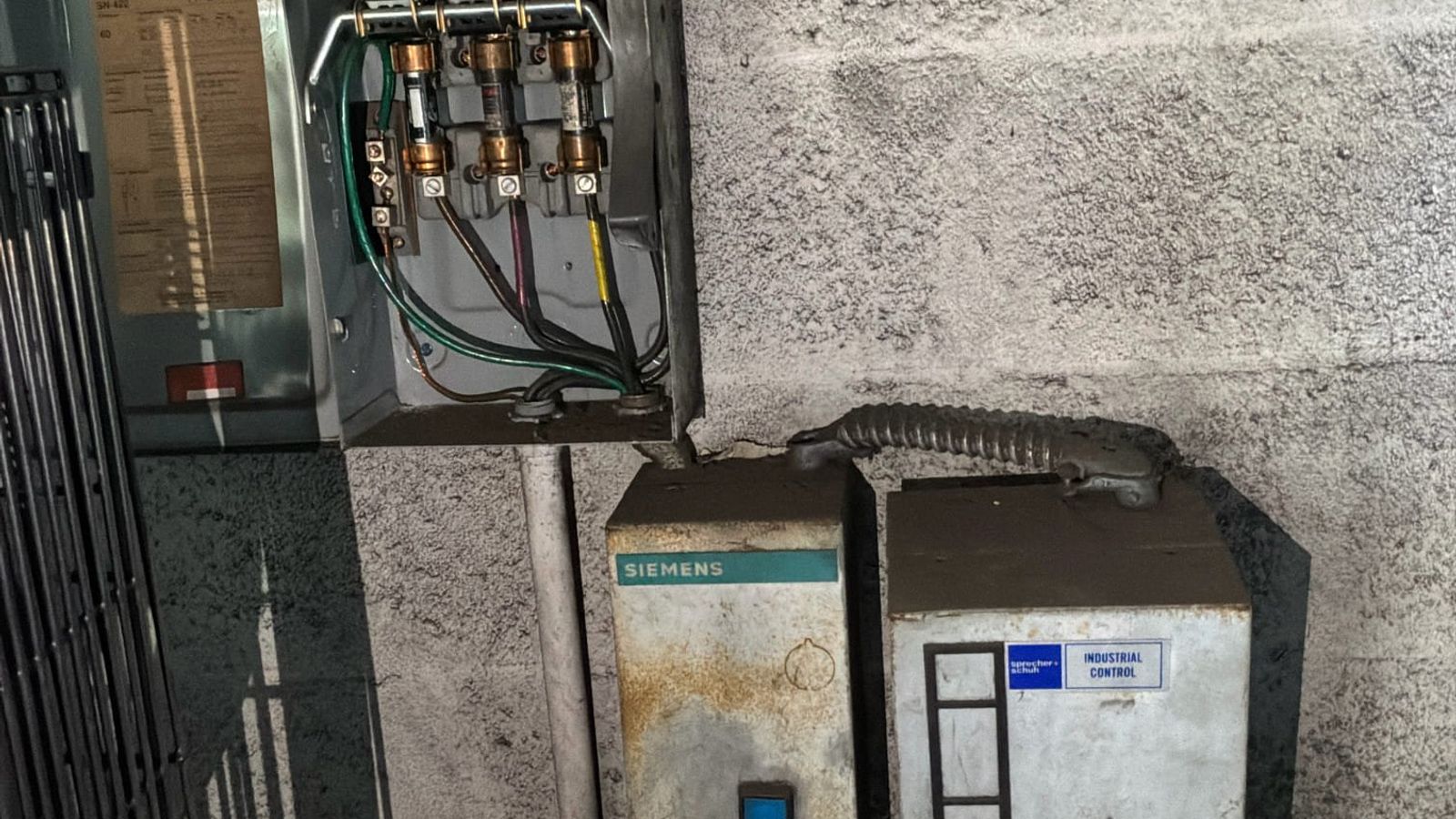
Many local shops move into older strip retail or a converted storefront. Those spaces were wired for boutiques, not deck ovens. A load study during lease talks prevents pain later.
Start With a Real Load Calculation
Baking gear is heavy. One deck oven can need its own 240-volt circuit, and many shops run two or three. Mixers, sheeters, proofers, and dish machines pile on from there.
Add air conditioning, which runs hard from April through October. Your electrician totals the load, applies demand factors, and checks the service. Our post on electrical load calculation explains the process in plain terms.
Landlords often quote spare amps from memory. Verify it at the panel instead. A service upgrade found in week one costs far less than one found in week ten.
The Electrical Considerations Bakeries Orlando-Wide Share
A short list comes up in nearly every buildout we quote. Handle these early and the inspection goes smoothly.
- Dedicated circuits for ovens, mixers, proofers, and dish machines
- GFCI outlets through the kitchen and prep areas
- Hood, makeup air, and fire suppression interlocks wired right
- Panel space and clear working room, which inspectors check every time
- Surge protection at the service, because summer lightning is constant
- Exit signs and emergency lights along the path out
Flour dust earns its own note. Fine airborne dust and loose screws are a poor pair. Sealed fixtures and tight terminations keep that risk low.
Coolers and Storm Season
Freezers hold real money in a bakery. Losing a walk-in during a summer outage can erase a week of margin. That risk peaks from June through November.
Put cooling gear on dedicated, labeled circuits. Temperature alarms are cheap and pay for themselves once. Some owners add a generator inlet and a switch for the coolers alone.
Ask your landlord what the building generator covers, if the center has one. Many strip centers back up common areas only, so your suite may be on its own.
Heat, Humidity, and Your Panel Room
Orlando humidity does not stop at the door. Warm, wet air settles on cool metal and eats at screws over time. A panel room next to the ovens runs hotter still.
Keep panels out of hot corners when the layout allows. Vent the space. Never stack racks or flour sacks in front of the gear.
A yearly thermal scan during an electrical safety inspection catches loose lugs before they fail. One visit can save a weekend rush.
Lighting the Case and the Kitchen
Front-of-house light sells product. Warm LED light makes crusts and glazes look right, while flat white light drains them. Aim for good color rendering, not raw brightness.
The back of the house needs a different plan. Prep areas want even, bright light in sealed, washable fixtures. LED also cuts heat, which helps your air conditioning.
The ENERGY STAR commercial kitchen equipment guide helps while you shop. Efficiency counts more here, because your gear runs long hours.
Wet Areas, GFCI, and Code
A bakery kitchen is a wet room by nature. Mopping, steam, and dish machines put water near outlets. Code calls for GFCI in these spaces, and inspectors verify it.
Failing devices are common in older kitchens. See how we sorted out a GFCI outlet problem in an Orlando kitchen on a service call.
Florida enforces the NFPA 70 electrical code through the Florida Building Code. Your city or county adds its own review, so build that time into the schedule.
Hoods, Makeup Air, and Interlocks
Exhaust hoods do more than clear smoke. They tie into fire suppression, and the wiring must shut down cooking gear when the system trips. That interlock gets tested at inspection.
Makeup air fans replace what the hood pulls out. Without them, doors stick and your air conditioning fights the building. Both fans need proper disconnects and clear controls.
Line this up early with your mechanical contractor. Control wiring between hoods, fans, and gear is easy to miss on a fast buildout.
Front Counter and Seating
Registers, card readers, and tablets need clean, dedicated power. Sharing a circuit with an espresso machine causes reboots at the worst moment. We split those loads from day one.
Guests expect outlets and steady wireless now. Plan a few tamper-resistant outlets in the seating area rather than running cords later.
Power Bills and Demand Charges
Business accounts pay for peak demand, not just total energy. Firing every oven at once sets a peak that follows you all month. A staggered startup flattens that curve.
Submeters and energy monitors show where the money goes. Owners are often surprised by cooling totals. Small schedule changes usually produce steady savings.
Planning for Growth
A second shop and new gear arrive sooner than owners expect. Leave panel spaces open and run spare conduit during the buildout. Empty conduit is cheap, and cutting a finished floor is not.
Breweries and coffee roasters face the same limits, and our article on electrical needs for breweries covers shared ground. Those are also the electrical considerations bakeries Orlando-wide bring up with our team most often.
Thomas Edison Electric supports bakeries and food service buildouts in Orlando, Winter Park, Winter Garden, Kissimmee, and Lake Mary. Call (407) 490-0004 to schedule a walkthrough with a licensed electrician. Our Florida license is EC13015487.