
Central Florida’s craft beer scene keeps growing, and new taprooms open every year. Behind every clean pour sits a power setup built for heat, damp air, and heavy gear. The electrical considerations breweries Orlando hosts must plan for start long before the first batch. Sort them out early and you’ll skip tripped breakers, ruined batches, and costly rework.
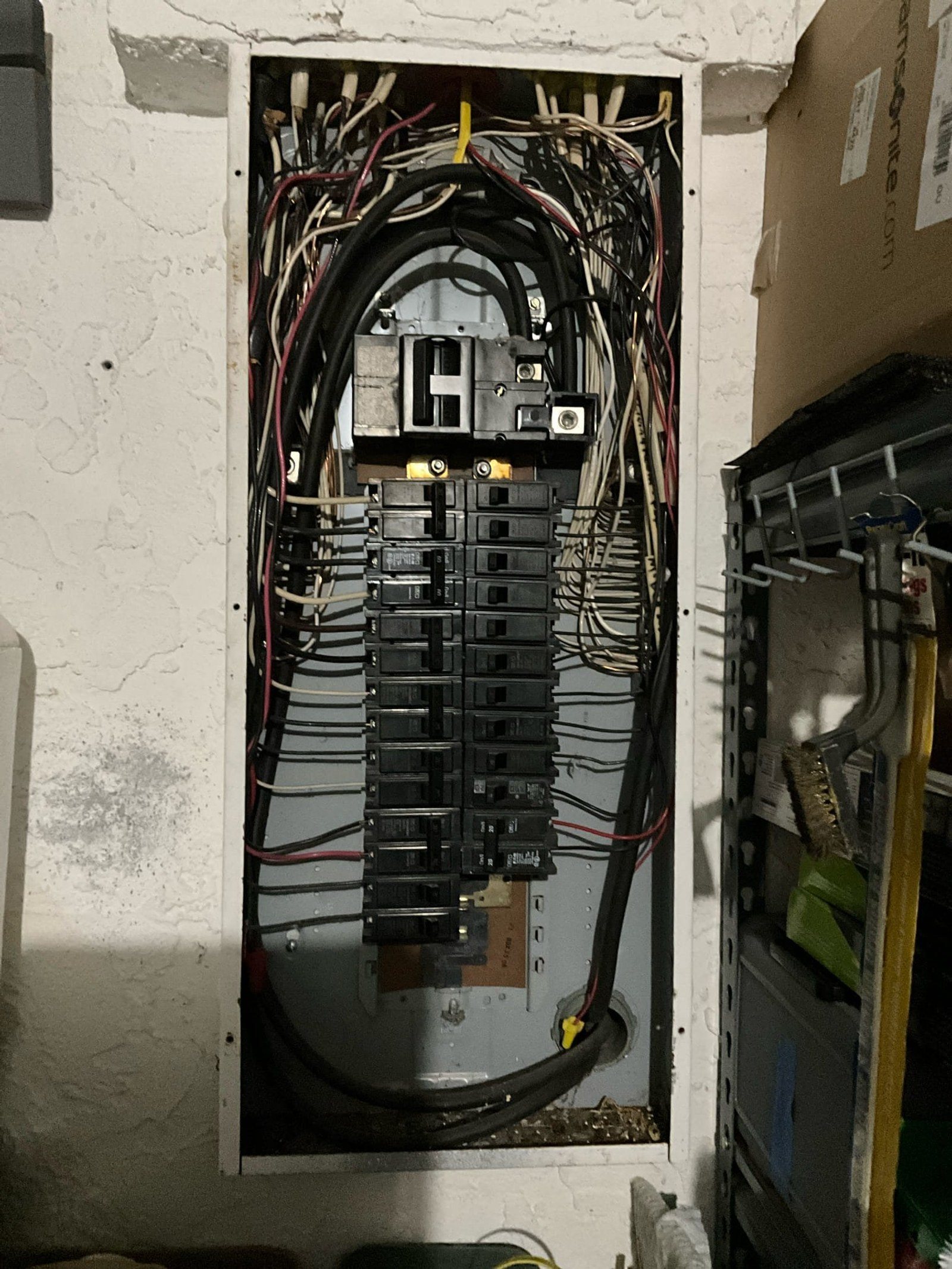
This guide walks through service size, circuits, surge protection, and lighting. Use it as a planning checklist with your electrician, your architect, and your builder.
Electrical Considerations Breweries Orlando Hosts Should Settle Early
Start at the meter, not at the light fixtures. A small nano setup may sit fine on a 200-amp single-phase service. A brew floor with a canning line usually needs much more, and often three-phase power.
Ask for a written load calculation before you sign a lease. That one page tells you whether the building fits your brew schedule. It also shows the landlord which upgrades the space needs. Our guide to electrical load calculations explains how that math works.
Older buildings around Mills 50, Ivanhoe Village, and downtown Sanford are charming and often short on power. Many still carry a service sized for a shop, not a brewhouse. The power company takes time to act, so start those talks early.
Brewhouse Gear Needs Its Own Circuits
Kettles, chillers, pumps, and packing gear all pull hard. Most run on 208V or 240V, and several need a circuit of their own. Share one circuit between a glycol chiller and a transfer pump and you’ll trip it at the worst moment.
- Electric kettles and hot liquor tanks, sized to the element
- Glycol chillers, walk-in coolers, and cold-room compressors
- Transfer pumps, grain mills, augers, and keg washers
- Control panels, heat probes, and smart controls
- Canning or bottling lines, labelers, and shrink tunnels
- Point-of-sale terminals and taproom coolers
Control panels need extra care. They hate voltage dips, so they belong on clean, well-grounded, surge-protected circuits. Label every breaker while the walls are still open.
Motors add a wrinkle that trips up new owners. A chiller or air compressor pulls a big jolt of current at startup, well above its running load. Variable frequency drives smooth that curve, but they need careful grounding and shielded cable.
Heat, Damp Air, and Wash-Down Zones
Florida works against your gear all year. Mezzanines and back-of-house ceilings run hot, and damp air finds every loose lug. Panels put in space with no A/C age much faster than owners expect.
Wet floors are the other constant. Brew decks, keg washers, and drain trenches call for GFCI protection and careful bonding. In wash-down zones, rust-proof boxes and weather-rated covers pay for themselves.
Cooling loads stack up fast here. Walk-ins, mini-splits, and exhaust fans often run while your kettle sits at full boil. Your load math should assume it all runs at once on an August day.
Lightning and Surge Protection Come First
Central Florida sees more lightning than anywhere else in the country. Storms build most summer days from June through September. One surge can wipe out a control panel and stop your line for days.
Layered surge work pays off. Put a surge device at the service entrance, then add point-of-use units at control panels, network gear, and registers. The National Weather Service publishes clear lightning safety guidance worth sharing with your staff.
Backup power deserves a line in the budget too. A small generator or battery backup keeps brew temps and coolers steady during an outage. You can see how we handled surge protection and panel work on a recent Apopka job.
Taproom Lighting That Sells the Room
Brew areas need bright, even light for cleaning and spot checks. High-CRI LED fixtures help your team see haze, sediment, and film on stainless. Good light also keeps wet floors safer during a busy shift.
The taproom asks for something else. Warm, dimmable LEDs and zoned controls let you shift from weekday cleaning to Friday night service. LED swaps also cut heat, which trims the cooling bill through a long Orlando summer.
Don’t forget the patio. Covered outdoor seating needs damp-rated fixtures, fans, and weather-proof outlets that shrug off afternoon rain. Food trucks parked on site may need their own pedestal, not a cord run across the lot.
Safety Systems Inspectors Will Ask About
A taproom is a place of assembly, so life safety gets real weight. Exit signs and egress lights need steady power and battery backup. Both must be tested on a schedule once you open.
Gas-fired kettles bring carbon monoxide alarms into the plan. Grain handling and CO2 systems may also call for venting and alarms. Raise these items during design, not at final inspection.
Permits, Code, and Room to Grow
Work in Orange, Seminole, and Osceola counties needs permits and inspections. The Florida Building Code adopts the National Electrical Code, which covers grounding, working clearances, and gear in damp spots. Your local building office may add rules on top of that.
Load math drives most of the electrical considerations breweries Orlando hosts deal with day to day. Leave spare panel space, extra conduit, and a clear path for the next fermenter. Growth costs far less when the wiring expects it.
Once you open, keep the system on a schedule. A yearly electrical safety inspection catches loose lugs, rusted joints, and overloaded circuits early. Routine commercial electrical maintenance keeps small problems from becoming a Saturday shutdown.
Plan Your Build-Out With a Licensed Orlando Electrician
Thomas Edison Electric works with breweries, taprooms, and restaurants from Winter Park to Kissimmee. We handle load planning, dedicated circuits, surge protection, and lighting design. Call (407) 490-0004 to talk through your space and your timeline. We’re licensed in Florida under EC13015487.