Before & After
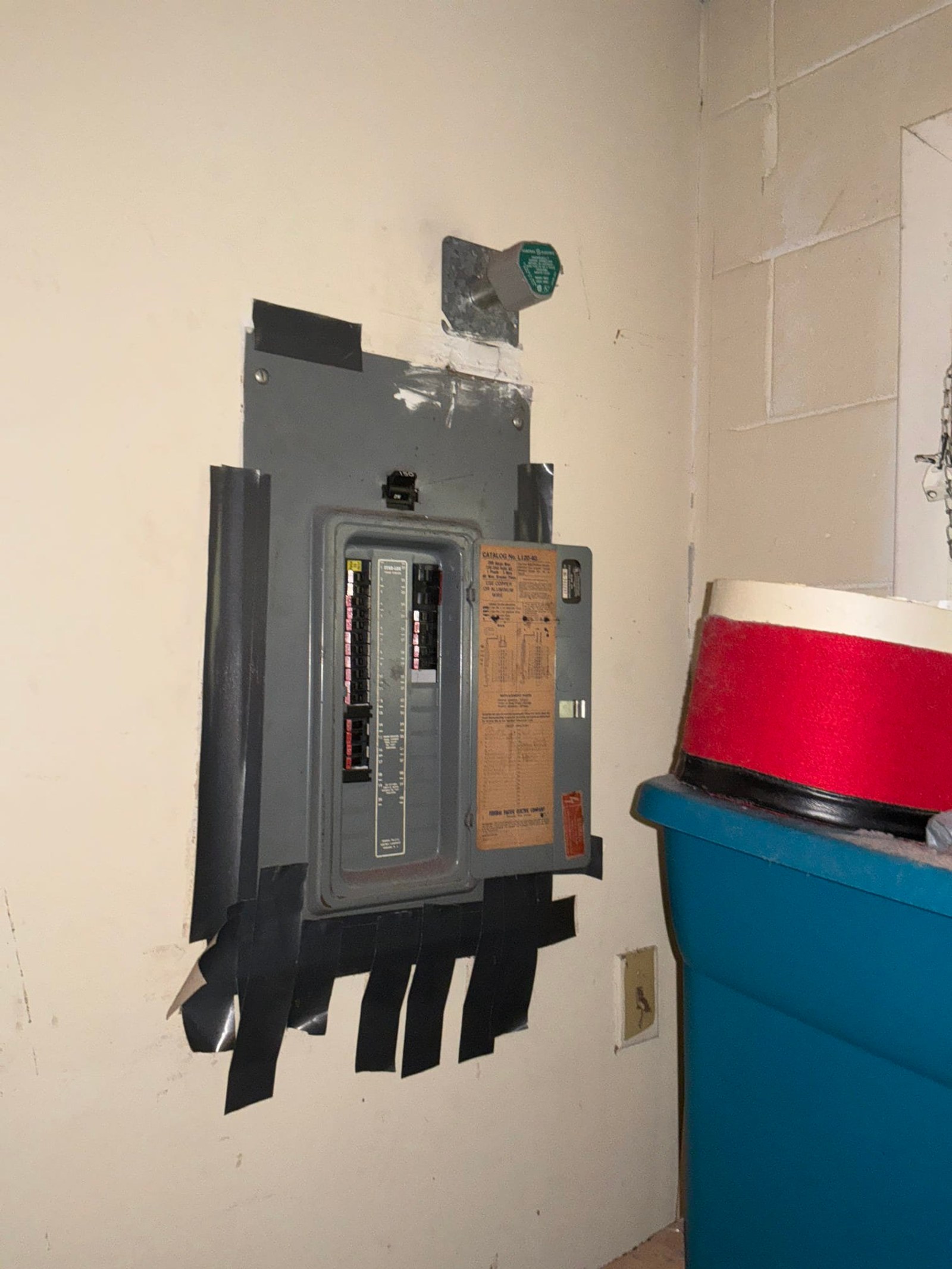 Before
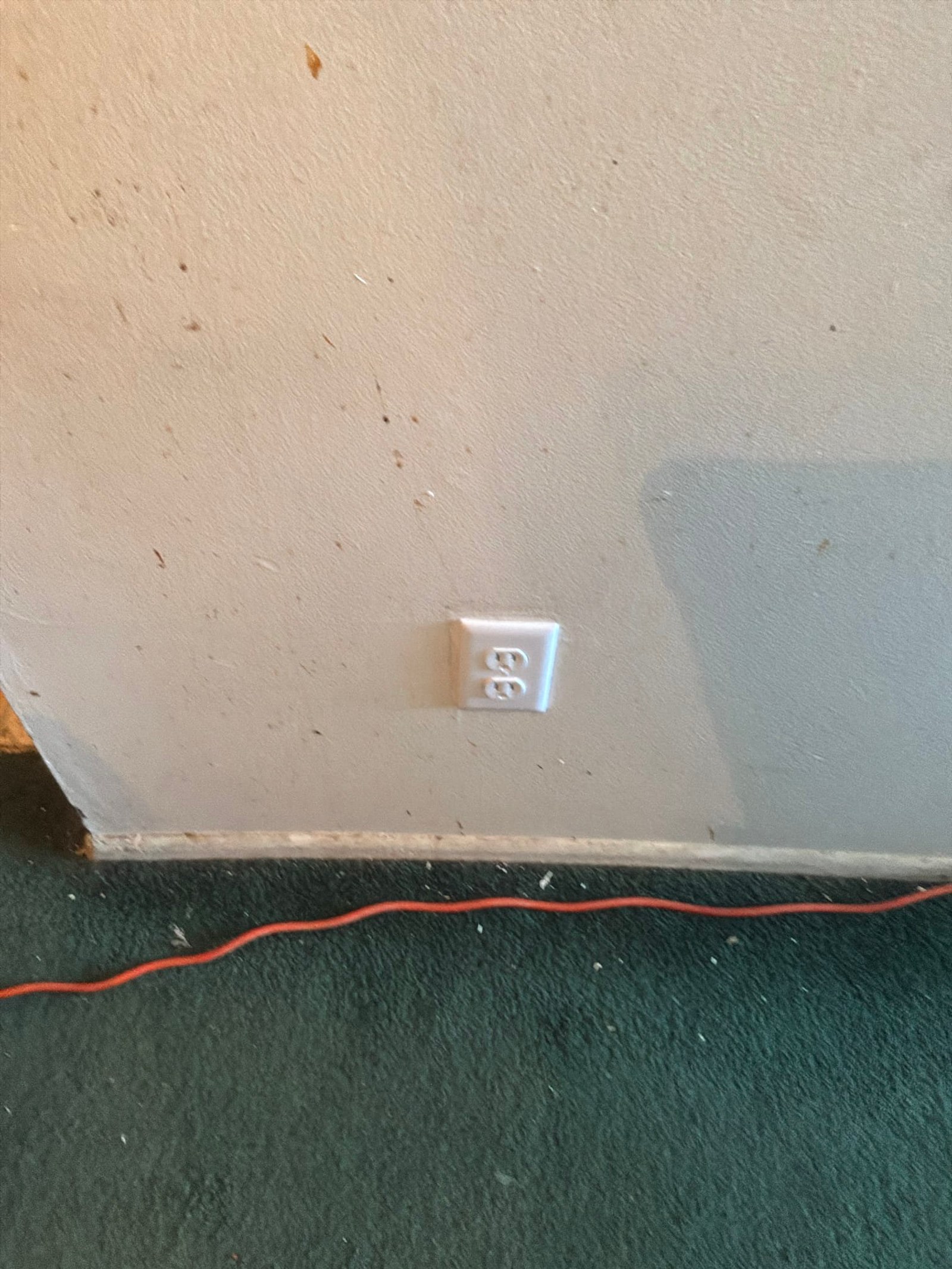 After
This Longwood outlet repair case study walks through the real diagnosis, the fix, and the code details from a recent service call. A homeowner in Longwood, FL wanted two new outlets added, one in the family room and one on the porch. Our field team arrived, assessed the existing wiring, and completed the work by installing five tamper-resistant duplex receptacles along with a new cut-in box to support the added location.
Customer’s Problem
The household needed more accessible power in two areas that simply didn’t have enough coverage. The family room lacked a convenient outlet for everyday electronics, and the porch had no dedicated receptacle at all. The homeowner reached out to get both locations wired properly in a single visit.
What Our Electrician Found
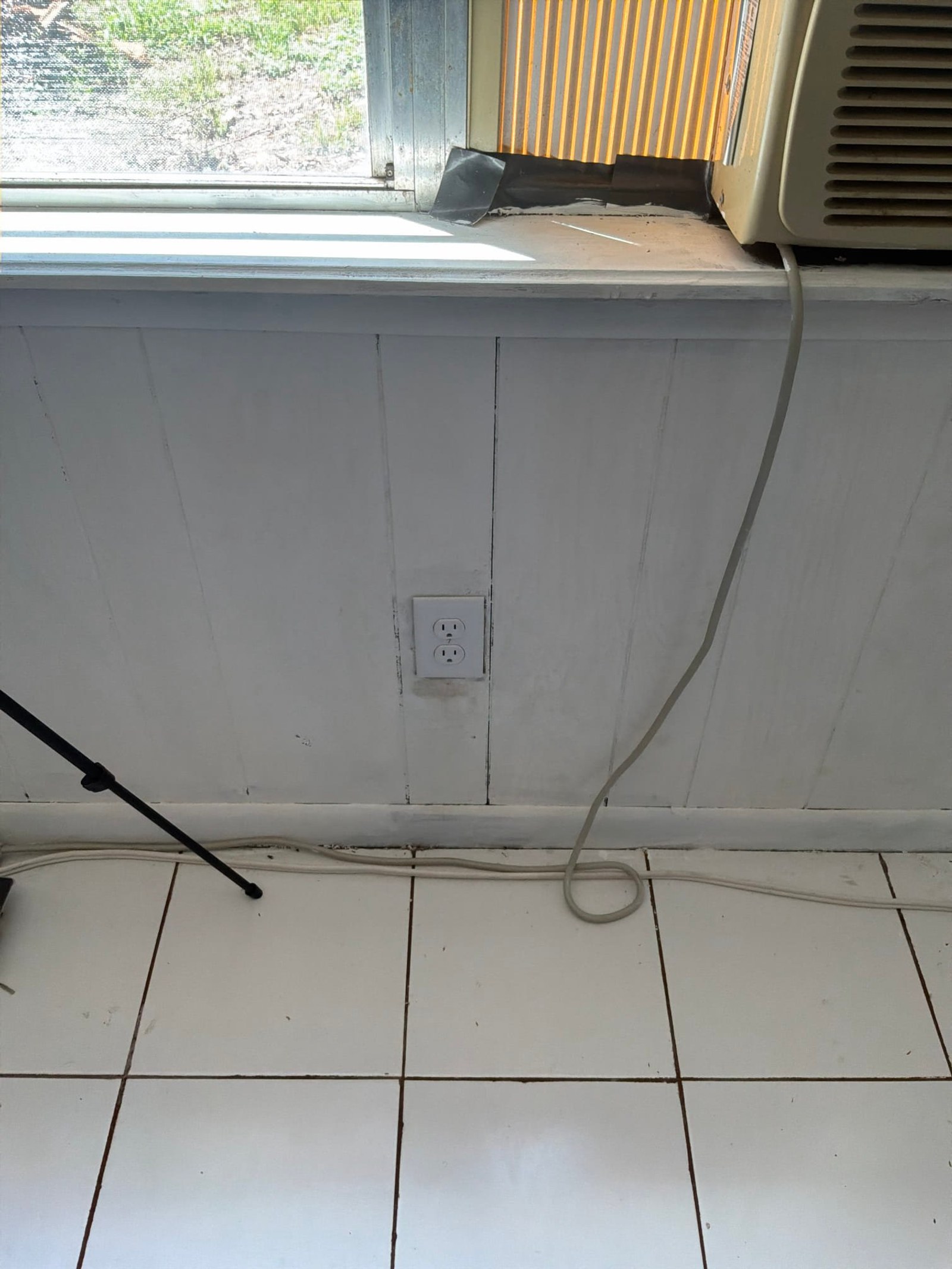
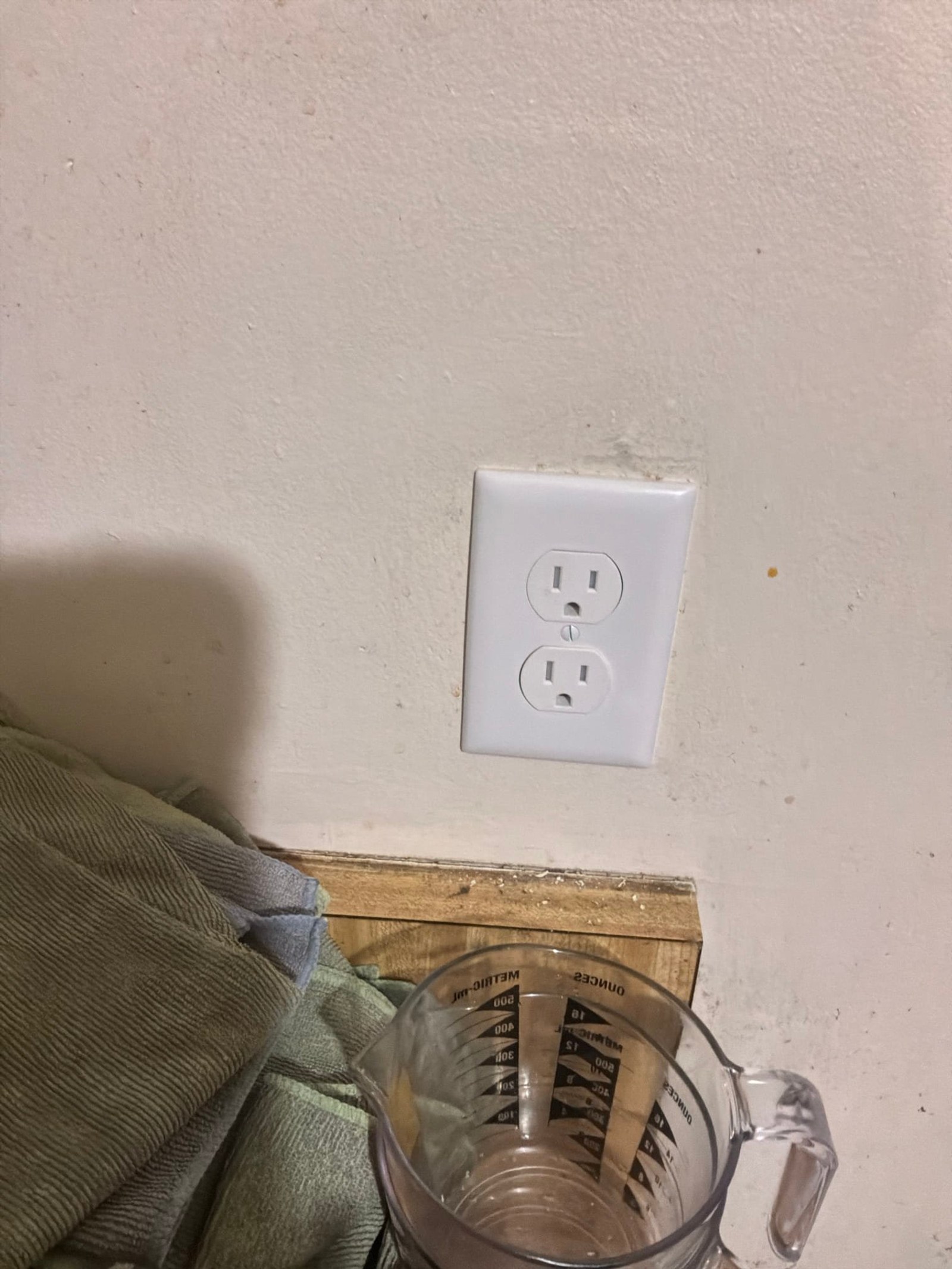
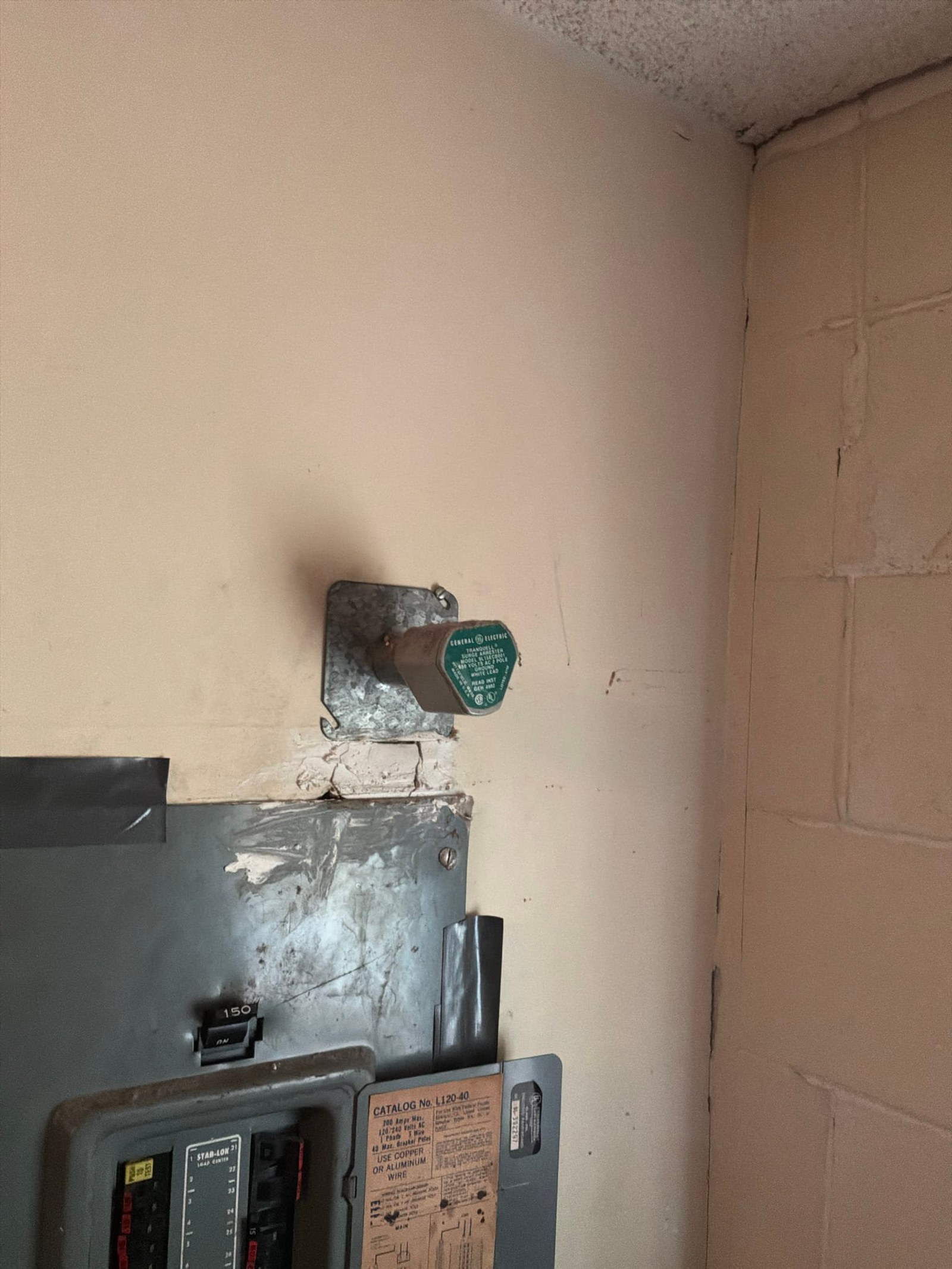
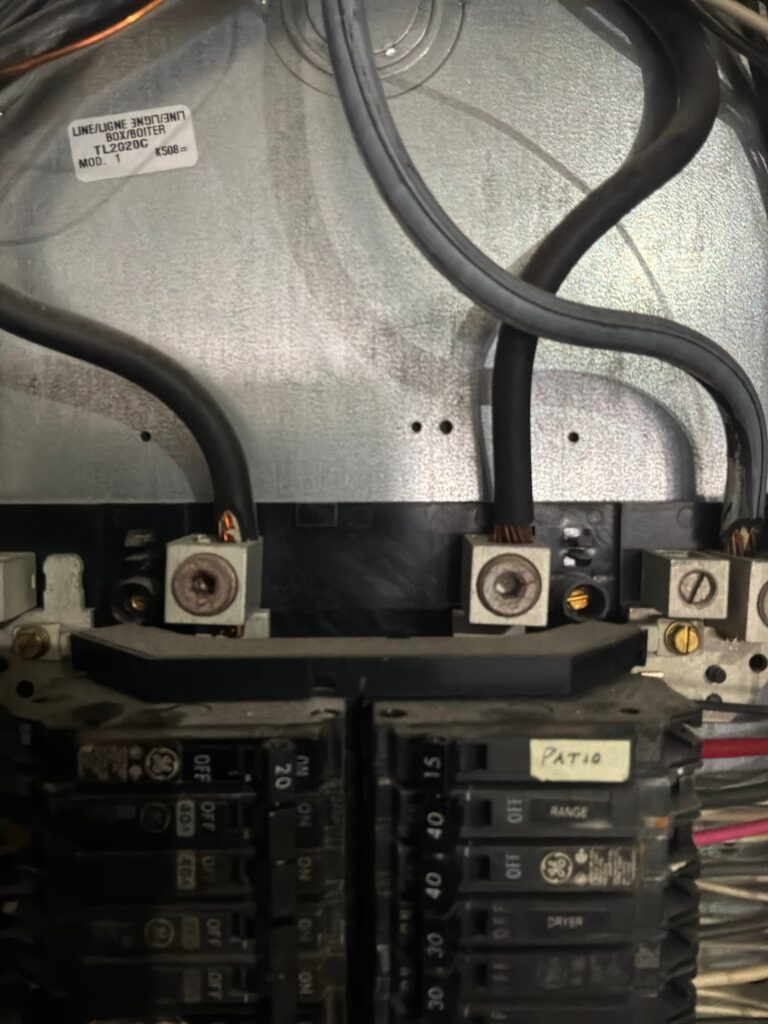
When our technician on-site reviewed the work area, the existing outlets in the home showed the standard wear consistent with a home of this age. The job photos also captured the panel enclosure, where the grey enclosure, breaker toggles, and service entrance showed visible corrosion on the terminations and paint overspray on the device. Corrosion on older enclosures is a common condition in Florida’s humid climate. Paint over panel hardware is also a familiar finding in homes that have gone through interior and exterior refreshes over the years. Neither condition was part of the original service call, but both are worth noting as an opportunity for a separate maintenance review down the road.
The duplex receptacles already in place throughout the home were functional, though they were standard non-tamper-resistant units. Current code under NEC 406.12 now calls for tamper-resistant receptacles in all new and replacement work in dwelling units. Swapping to tamper-resistant units at every location addressed during this visit keeps the home consistent with that standard.
Options We Presented
Our team offered two scopes of work for the homeowner to consider. The first option focused on adding only the two new outlet locations the homeowner originally requested. The second option expanded the scope to include replacing the existing receptacles at additional locations in the home with updated tamper-resistant units. The homeowner reviewed both approaches and chose the scope that best matched the household’s needs and plans for the home.
Solution Selected
The homeowner selected the broader scope. In addition to the two new outlet locations, the crew replaced five receptacles total across the home, all with tamper-resistant units, and added one new cut-in box to support the porch installation. This approach meant the work done during this visit would all meet the same current standard, giving the household a consistent and updated set of outlets throughout the areas we touched.
Work Performed
Here is a summary of what our licensed electrician on-site completed:
- New cut-in box: Installed one single-gang old-work cut-in box to support a new outlet location. Drywall patching, if needed, is a separate trade scope and was noted as such.
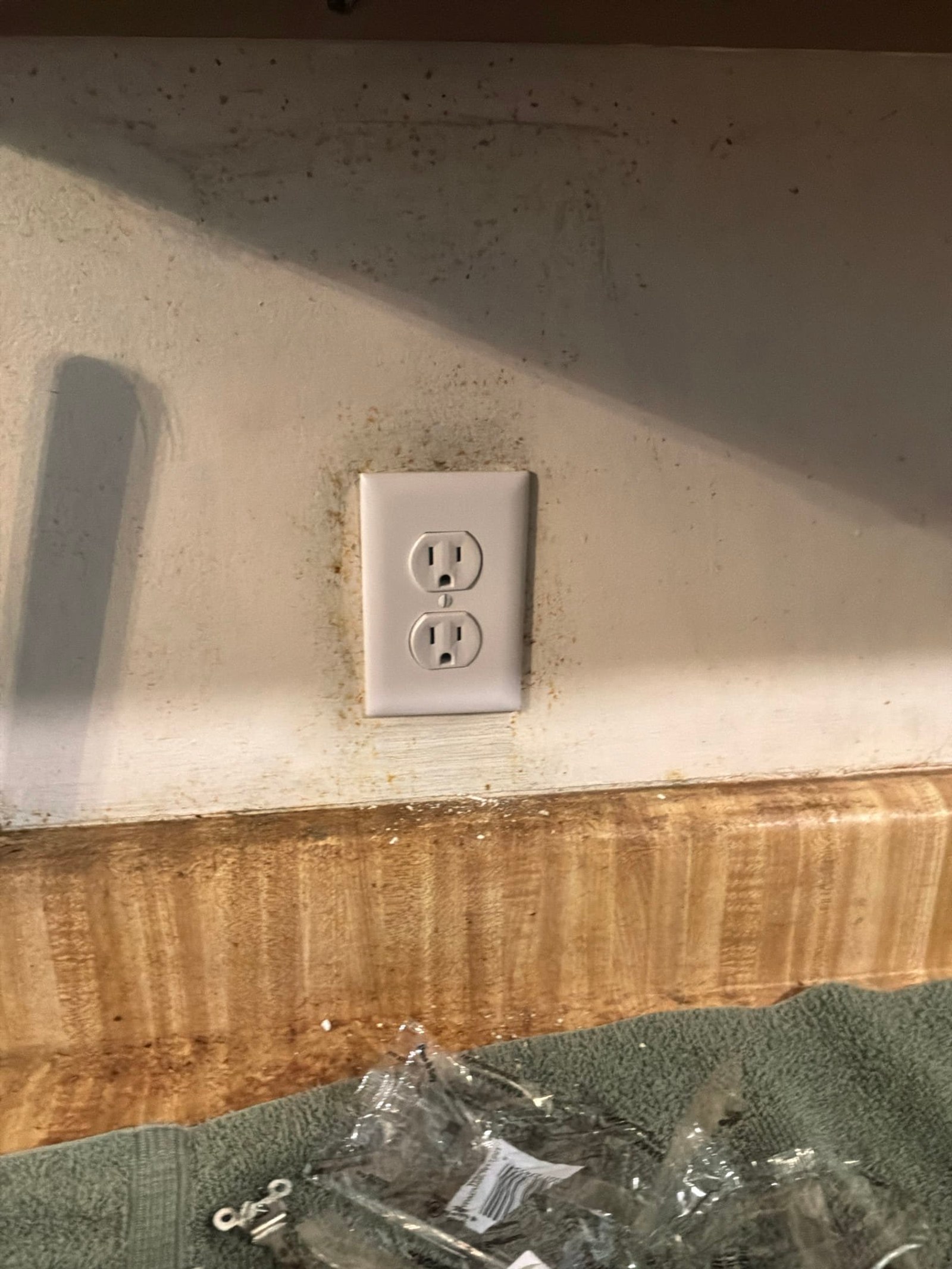
- Tamper-resistant receptacles: Supplied and installed five 15-amp tamper-resistant duplex receptacles, each fitted with a white cover plate, at locations throughout the home including the family room and porch.
The finished outlets are visible in the job photos: white duplex receptacles with clean white cover plates installed flush against interior walls, including one location above tile flooring consistent with the porch area.
Important Materials and Equipment
Materials and equipment on the invoice for this project:
- Pass & Seymour 3232-TRW Tamper-Resistant, Duplex Grounding Receptacle. 15 Amp, 125 Volt, White (quantity 5)
- Mulberry 76101, 1G Duplex Semi Gloss White Metal Plate (quantity 5)
- Pass & Seymour S1-22-W Single Gang, Old Work Deep Remodeler Box 22 cu.in
Why Pricing Can Vary
Two homes with the same job on the invoice can land at different totals. On projects like this one, the total is driven by:
- Number of devices replaced
- Device type (standard, GFCI, AFCI, tamper-resistant, USB, smart or dimmer)
- Condition of the boxes and wiring behind the devices
- Backstabbed or aluminum connections that need correction
- Access and the number of rooms involved
Why This Longwood Outlet Repair Matters for Homeowners
Tamper-resistant receptacles have a small built-in shutter mechanism that only opens when both slots are pressed simultaneously, the way a plug works, rather than when a single object is inserted into one slot. For families with young kids, this is simply how modern outlets work. It’s a detail baked into the design, not an add-on. When our crew installs new receptacles in a home today, tamper-resistant units are the baseline, consistent with NEC 406.12 and the everyday reality of how households use their outlets.
Additionally, placing a proper cut-in box at the new porch location means the outlet has solid, code-appropriate support in the wall rather than relying on friction alone. That matters for an outlet that will see regular use, whether it’s powering outdoor speakers, a fan, or holiday lighting season after season.
For this household, the result is straightforward: the family room and porch now have the power access they needed, the receptacles throughout the visited areas are up to current standards, and the home keeps running the way the family wants it to, comfortably and reliably, through every season of Florida weather. For homes with aging panel enclosures showing corrosion or paint overspray, as noted in the photos from this visit, scheduling a dedicated panel inspection separately is a practical next step for continued peace of mind.
Code Compliance Cited in This Job
Every fix above maps to a specific section of NEC 2020. Each card links to NFPA’s public NEC index.
Tamper-Resistant Receptacles in Dwellings
NEC 406.12 requires tamper-resistant receptacles in all areas of a dwelling unit where receptacles are being newly installed or replaced. On this job, all five receptacles installed were tamper-resistant units, bringing each location into alignment with this requirement. NFPA reference ›
Replacement Receptacle Requirements
When a receptacle is replaced in an existing dwelling, NEC 406.4(D) requires it to meet current applicable requirements, including tamper resistance under 406.12. Replacing the existing outlets at each visited location with tamper-resistant duplex receptacles satisfies this provision. NFPA reference ›
Receptacle Outlet Placement in Dwellings
NEC 210.52 governs where receptacle outlets must be placed in dwelling unit rooms so that no point along a wall is too far from a usable outlet. Adding a receptacle in the family room supports this spacing guidance and gives the household the coverage the room needed. NFPA reference ›
Common Questions
Questions homeowners ask after seeing this kind of work.
What is a tamper-resistant receptacle and why does it matter for a family home?
A tamper-resistant receptacle has a built-in shutter that only opens when both slots receive equal pressure at the same time, exactly the way a plug works. A single object inserted into one slot will not open the shutter. For households with children, this is simply how modern outlets are designed, and NEC 406.12 now requires them in all new and replacement receptacle work in dwellings. If your home still has older non-tamper-resistant outlets, a quick replacement visit can bring every location up to that standard. Schedule online and we can take care of it in one trip.
What is an old-work cut-in box and when is one needed?
An old-work cut-in box, sometimes called a remodel box, is a plastic or metal enclosure designed to be installed into an existing finished wall without opening up the drywall from the stud side. It uses built-in clamps or wings that grip the back of the drywall once the box is seated. One is needed any time you add an outlet to a finished wall that doesn’t already have a box in place, as was the case for the new porch location on this job. If you have a room or outdoor area that needs a new outlet added, schedule online and our crew can assess the best approach for your wall type.
How often should I have my home’s electrical inspected?
A yearly inspection is a good baseline for most homes. Homes built before 1990 and homes that have come through recent storms may benefit from a check more often, since older wiring systems and weather events can accelerate wear on connections and enclosures. On this job, the panel enclosure showed corrosion and paint overspray, both conditions worth tracking over time, which is exactly the kind of thing a routine annual inspection catches early. Schedule online to get your home on the calendar.
Can a porch outlet be installed on the same visit as indoor outlet work?
Yes. Our field team regularly handles a mix of indoor and outdoor locations in a single visit, as long as the existing wiring supports the additional load and the right box and cover hardware are used for the environment. On this job, the crew installed a new cut-in box and a tamper-resistant receptacle at the porch location alongside the indoor family room outlet in one appointment. If you need outlets added in more than one area, schedule online and we will plan the visit to cover all of them efficiently.
What should I do if my panel enclosure shows corrosion or paint overspray?
Corrosion on panel terminations and paint over breaker hardware are both conditions worth addressing when found, even if they are common in older Florida homes given the humidity and typical renovation history. Paint over toggles can interfere with normal breaker operation, and corrosion on service-entrance lugs is a condition worth monitoring over time. Neither requires an emergency response, but a dedicated panel inspection gives a licensed electrician the chance to document the extent and recommend next steps. Schedule online to set up that separate evaluation at your convenience.
Project Photos
Electrician and Technical Reviewer
Work performed by the Thomas Edison Electric field team serving Orlando.
Location
This project was completed in Longwood, Florida, in our Longwood service area.