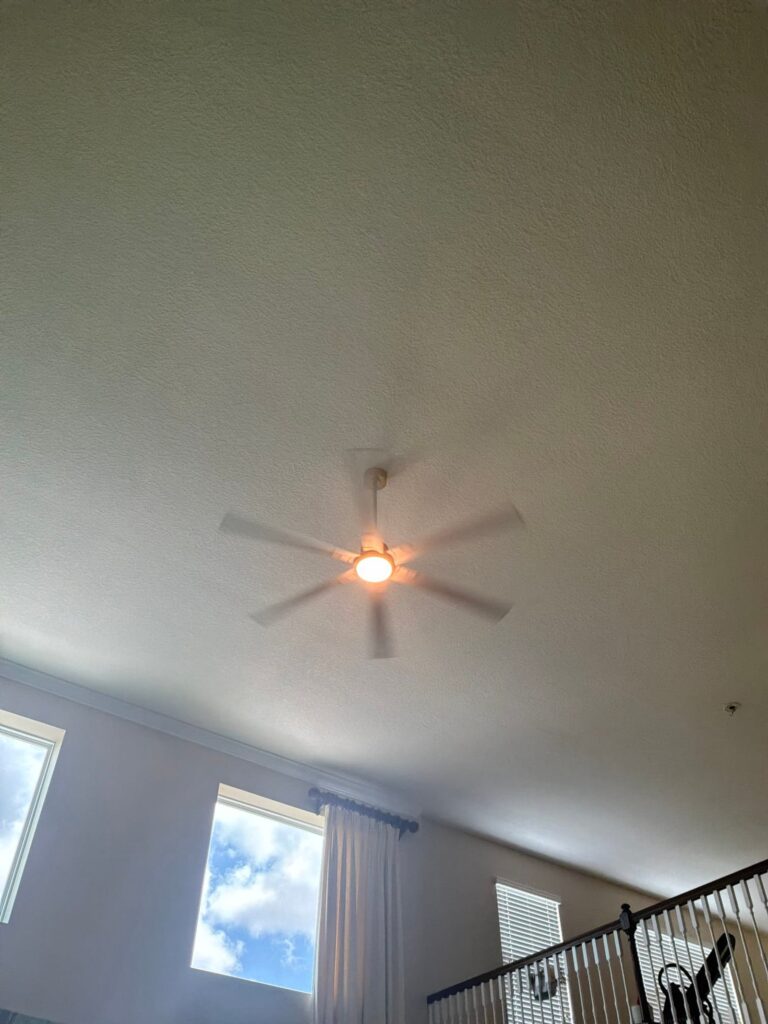
Before & After
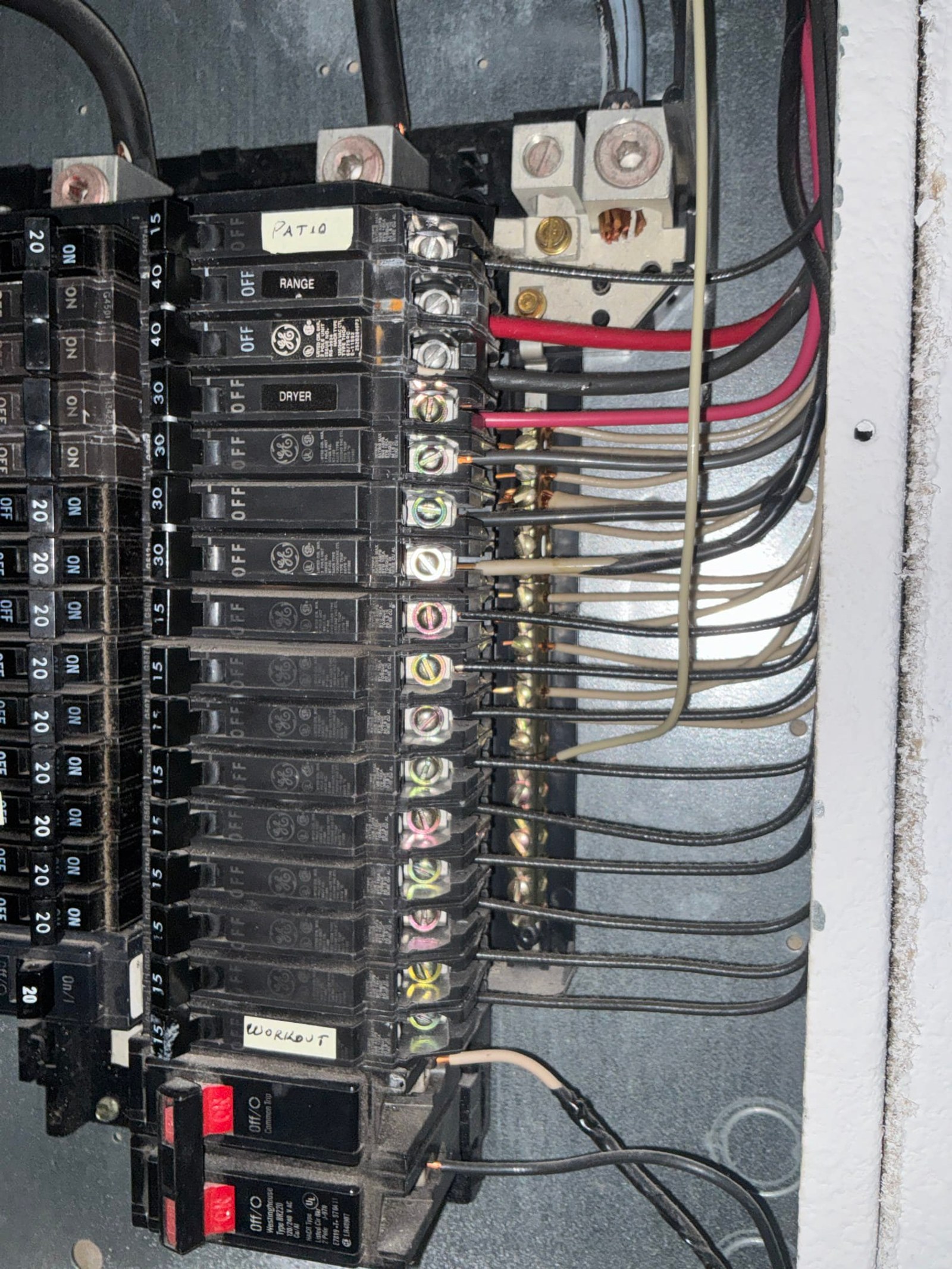 Before
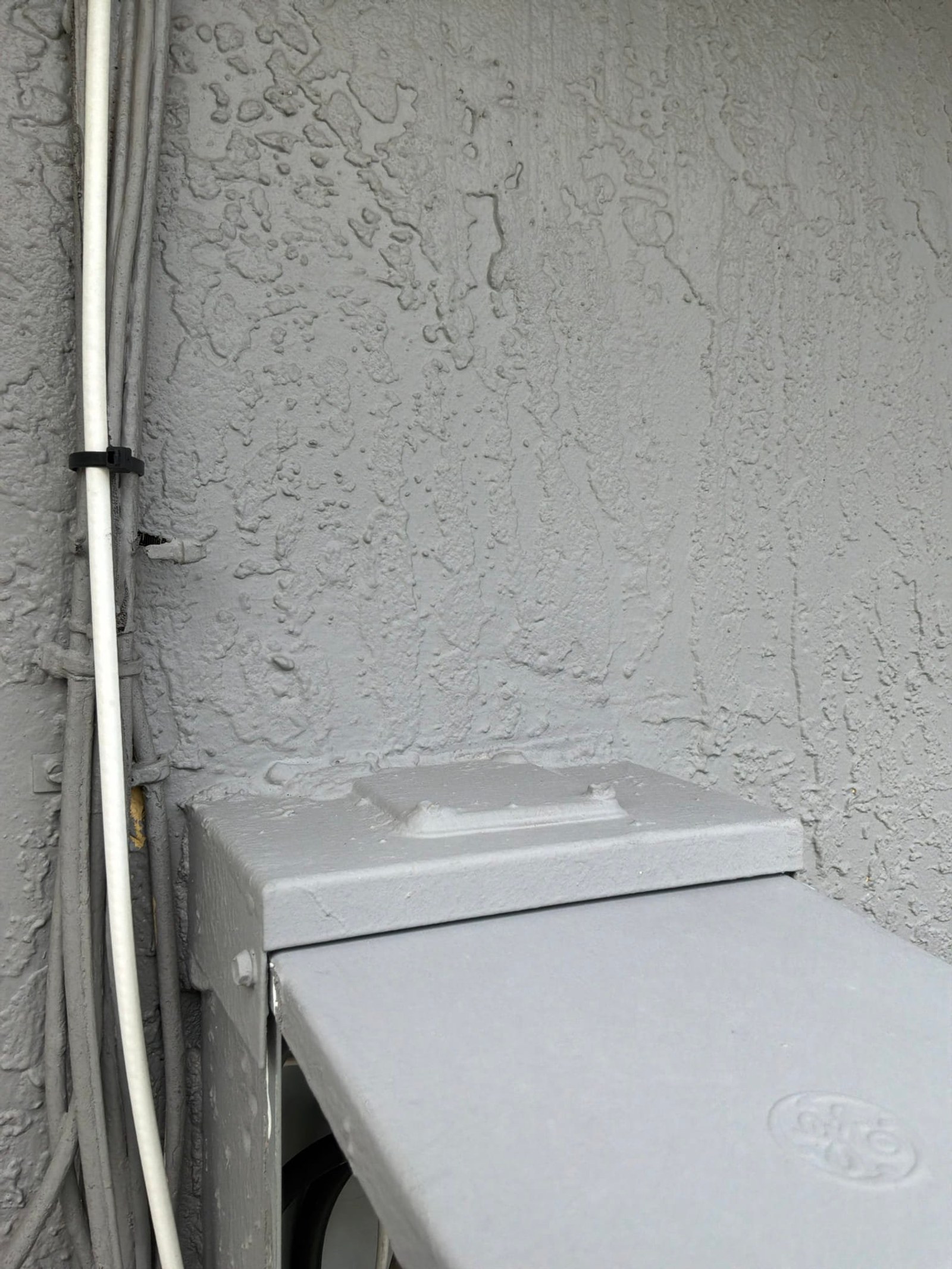 After
This Ocoee panel upgrade case study walks through the real diagnosis, the fix, and the code details from a recent service call. When a homeowner in Ocoee, FL called about multiple dead outlets, the problem turned out to run deeper than a tripped breaker. Our field team traced the symptoms to corroded service lugs and an already-failed surge protection device at the 150-amp GE panel, then installed a new PSP Vortex 120 kA whole-home surge protector to put the home back on solid footing.
Customer’s Problem
The homeowner noticed several outlets throughout the home had stopped working entirely. He suspected a breaker or two might be at fault, but the pattern was spread across the house in a way that felt inconsistent with a single tripped circuit. He booked an inspection to find out what was actually going on.
What Our Electrician Found
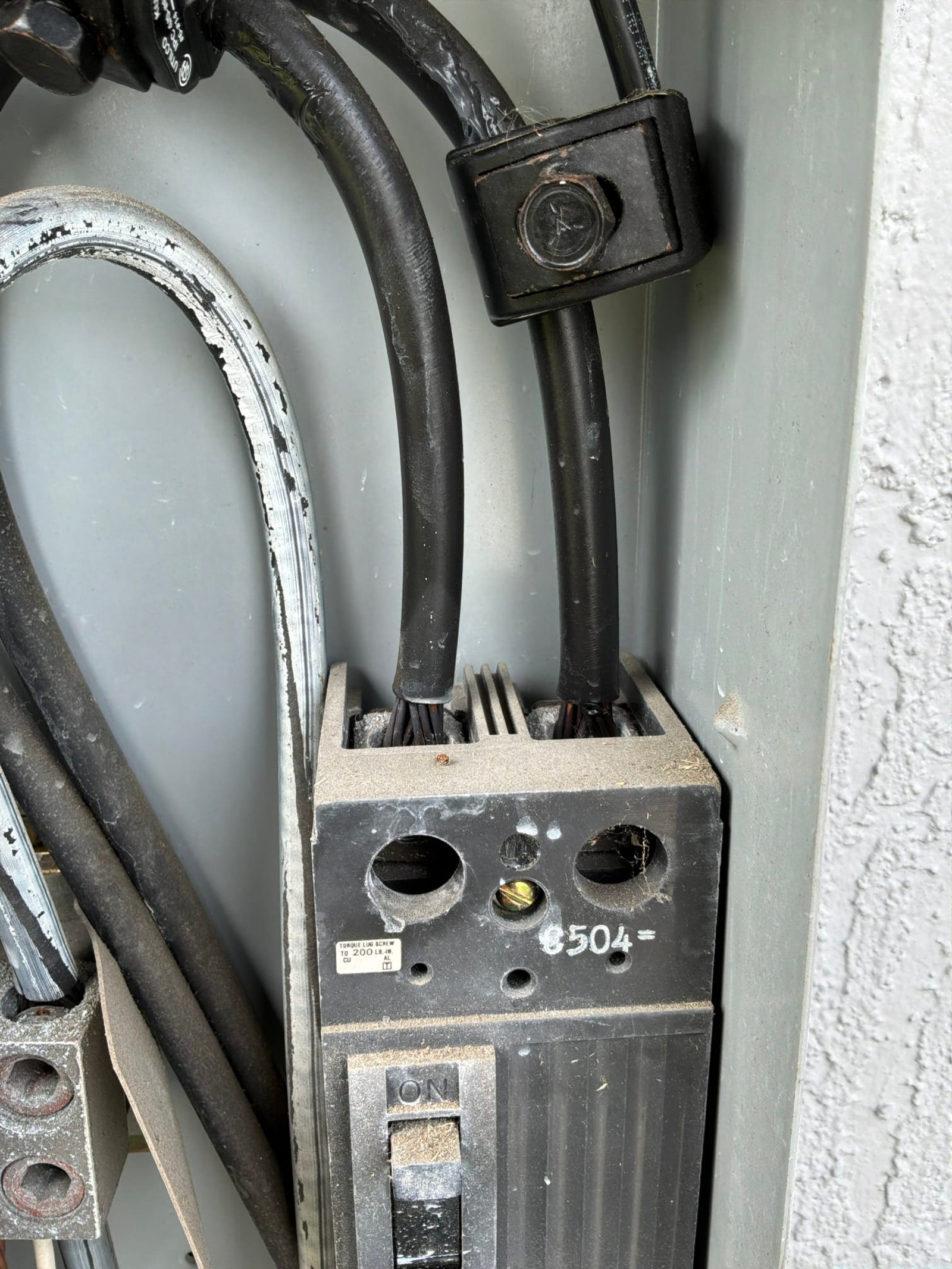
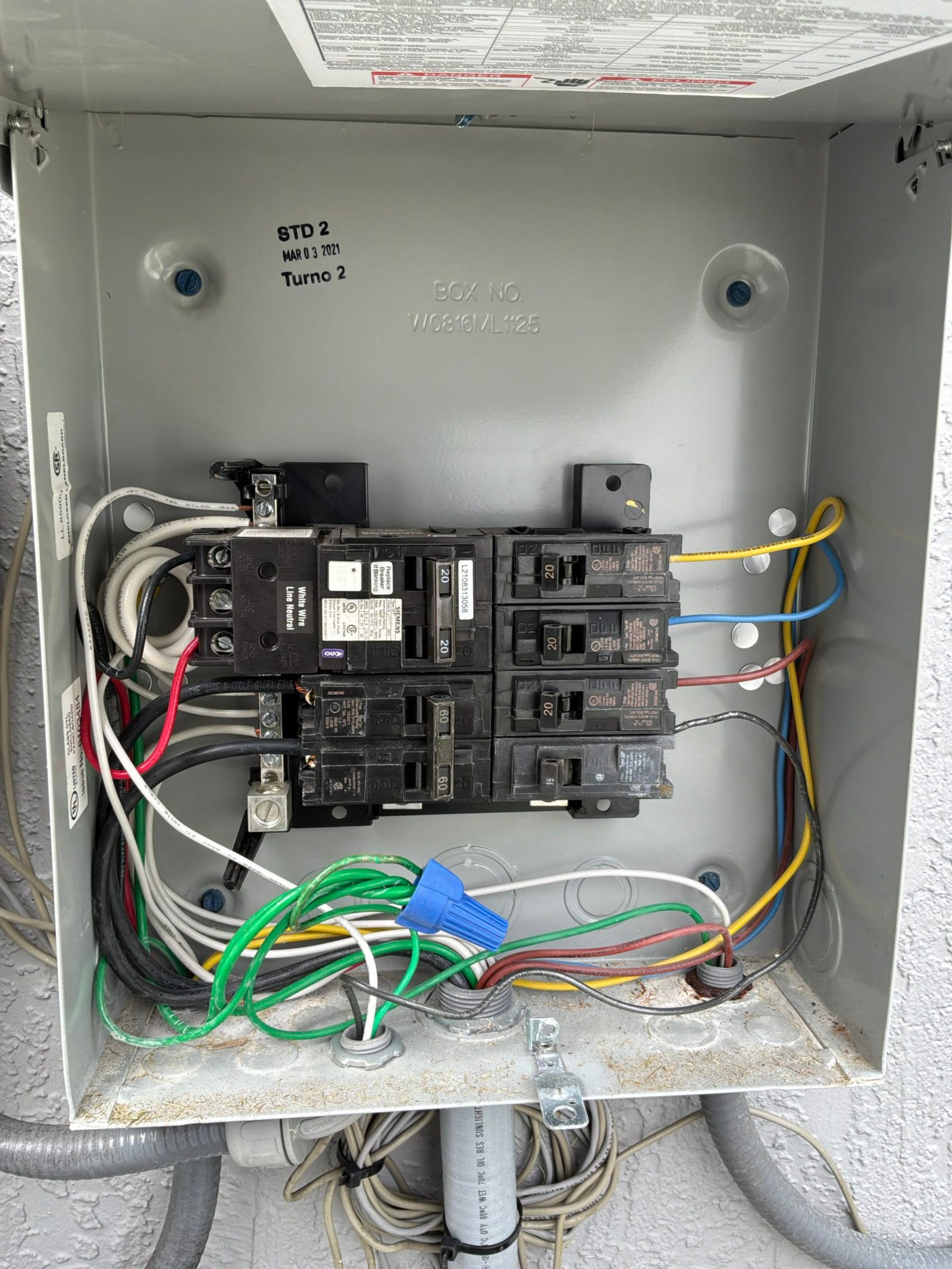
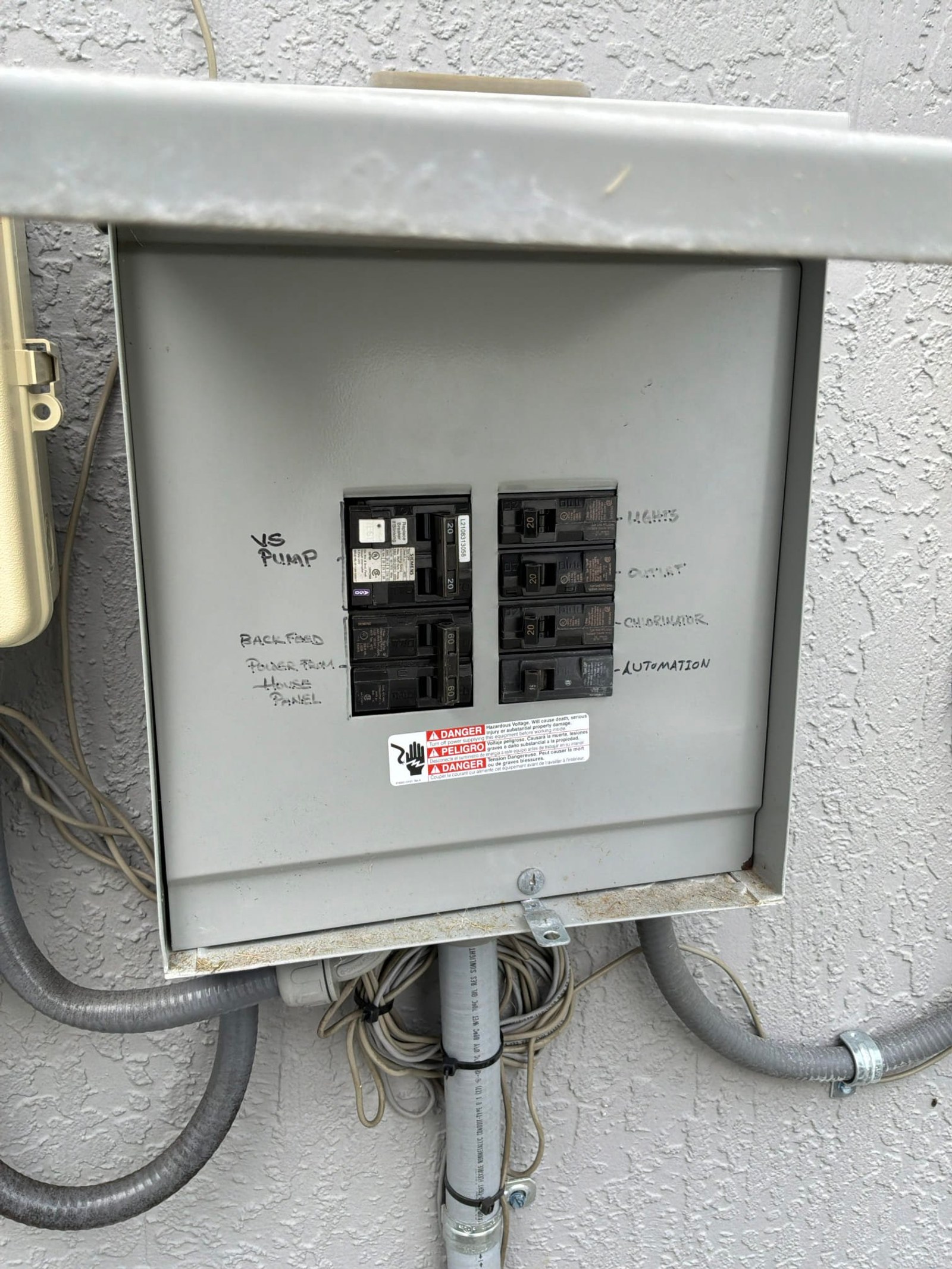
The inspection turned up several conditions worth addressing.
Service Entrance and Exterior Disconnect
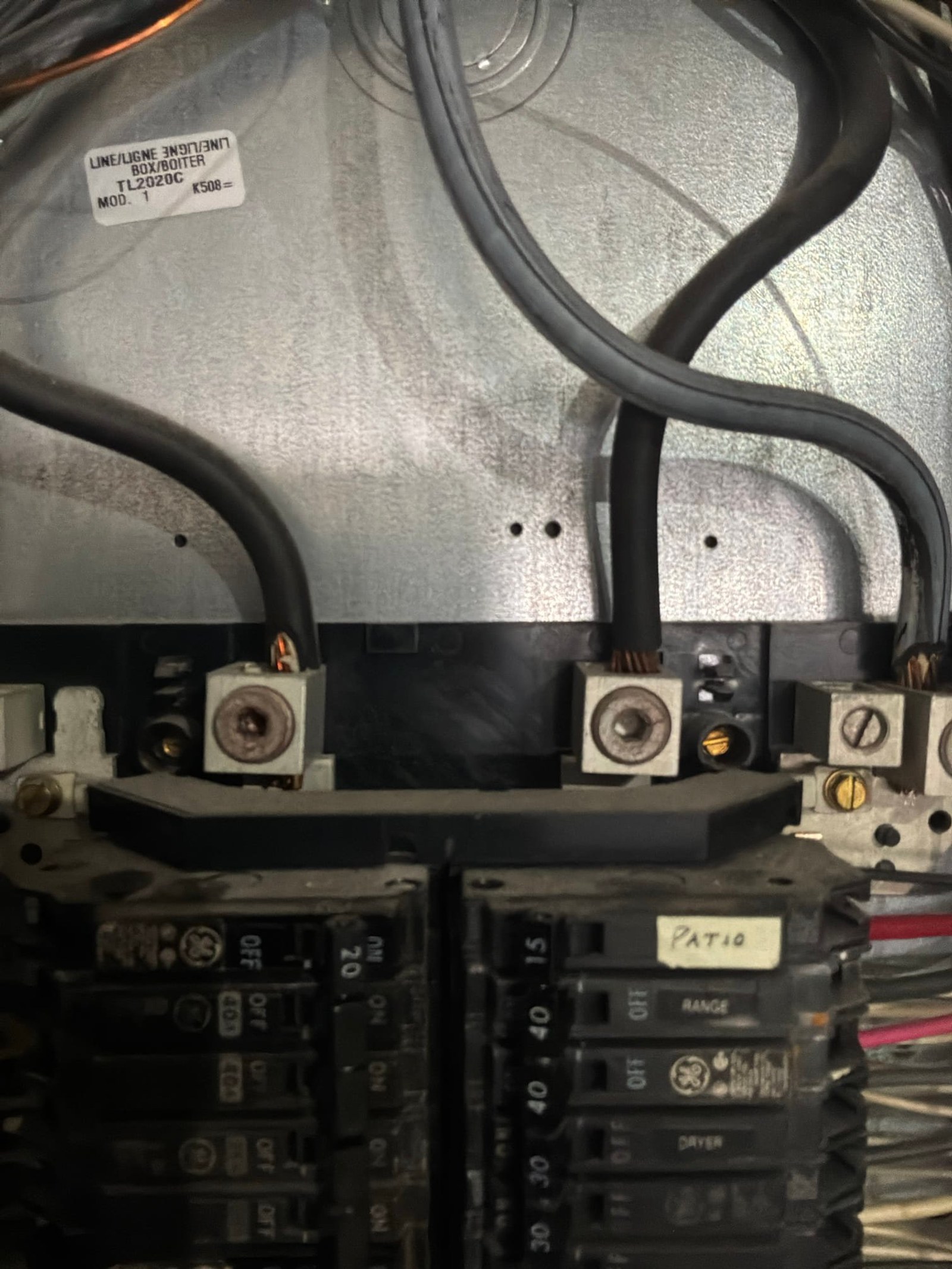
At the exterior weatherproof disconnect box, the field team observed corrosion on the terminations and enclosure. Black oxide had formed on the brass lugs, and the two conductors entering from above showed visible oxidation. The 150-amp service disconnect was double-tapped using piercing lugs in a way that does not meet current NEC requirements. That kind of improper termination can cause the conductors to overheat and blacken over time, which is consistent with what the team observed.
Panel Interior
Inside the GE 150-amp panel, the photos show breaker toggles, range and dryer circuits, brass lugs, and additional oxidation on terminal hardware. The existing surge protection device was present but inoperable, meaning the home’s circuits had no active transient voltage protection. The panel directory used handwritten labels, and paint markings were visible on the sub-panel enclosure exterior, signs of earlier DIY workmanship. The panel was not labeled in a way that meets current standards for circuit identification.
Additional Findings
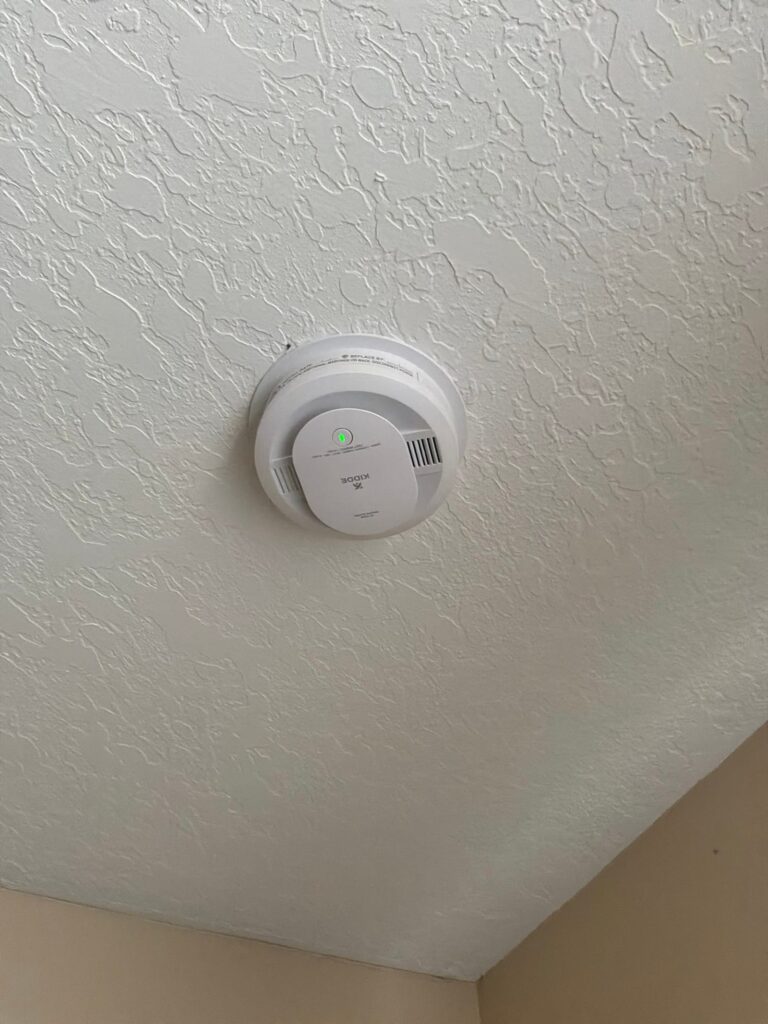
The inspection also flagged that the home lacked AFCI protection on the branch circuits where current code now calls for it, that outlets in several areas showed voltage drop and wear, and that the smoke detectors were out of date. No carbon monoxide detector was present, and there was no provision for a standby generator or generator pre-wire.
In short, the home had accumulated a collection of conditions that were common for its era but that current code now recommends modernizing.
Options We Presented
Our team put together five estimate options for the homeowner. The scopes ranged from addressing the most immediate need, replacing the failed surge protector, up to a more comprehensive package covering the service entrance terminations, AFCI upgrades, smoke and CO detector installation, and panel labeling. Each option represented a different level of modernization, and the homeowner chose the scope that fit his priorities for the visit.
Solution Selected
The homeowner selected the whole-home surge protector installation. Given that the existing SPD was already inoperable and the panel showed signs of transient voltage stress, restoring active surge protection was the most direct step to bring the home’s first line of defense back online.
Work Performed
The field team installed one PSP Vortex 120 kA whole-home surge protector at the GE 150-amp panel. The device was mounted at the panel and connected to protect all circuits within it. All wiring connections were completed to ensure a reliable, long-lasting installation.
Important Materials and Equipment
Materials and equipment on the invoice for this project:
- PSP Vortex 120 kA Whole House Surge Protector
Why Pricing Can Vary
Two homes with the same job on the invoice can land at different totals. On projects like this one, the total is driven by:
- Surge device type and rating
- Whether the device mounts inside the panel or beside it
- Available breaker positions in the panel
- Panel condition and any corrections found when the cover is removed
- Layered protection at sensitive equipment
- Grounding system condition, which the device depends on
Why This Ocoee Panel Upgrade Matters for Homeowners
A whole-home surge protector sits at the electrical panel and intercepts transient voltage spikes before they reach individual circuits. For a household in Ocoee, that means the refrigerator, HVAC system, washer, dryer, televisions, and any smart-home devices all sit behind a single robust layer of protection. Central Florida’s storm season brings frequent lightning activity, and the PSP Vortex’s 120 kA rating gives the home substantial capacity to absorb those events without the family noticing anything beyond a flicker.
Additionally, the conditions found at the exterior disconnect, specifically the corroded lugs and oxidation on the terminations, are worth revisiting. Corrosion at service terminations is a gradual process that tends to worsen over seasons. Homes with this kind of aging infrastructure benefit from periodic inspections so small changes get caught early, well before they affect everyday reliability.
For this family, the most immediate outcome is straightforward: the surge protector is back in service, the home’s circuits are covered, and the household can go about its daily routine, mornings, meals, evenings, and weekends, without wondering whether the next storm will take something out. Peace of mind like that is quiet, but it matters every single day.
“Will was fantastic! Very cordial, professional, and clean. Will provided a prompt diagnosis and thorough explanation of repairs and charges. Great job! I will be using you guys in the future. Thanks!”
Code Compliance Cited in This Job
Every fix above maps to a specific section of NEC 2020. Each card links to NFPA’s public NEC index.
Surge Protective Device at Service
NEC 230.67 requires a listed surge protective device at the service entrance of all new dwelling unit services. The existing SPD at this Ocoee home was inoperable, leaving all panel circuits without active transient protection. Installing the PSP Vortex 120 kA unit at the GE 150-amp panel brings this requirement into compliance. NFPA reference ›
Electrical Connections
NEC 110.14 covers proper methods for making electrical connections, including the use of appropriate terminals and splicing means. At this home, the exterior 150-amp disconnect used piercing lugs applied in an improper manner, which does not meet the connection requirements of this section. The resulting conductor overheating and blackening observed on site is consistent with elevated connection resistance. NFPA reference ›
AFCI Protection
NEC 210.12 requires arc-fault circuit-interrupter protection on branch circuits supplying outlets in living areas, bedrooms, kitchens, and other spaces in dwelling units. The inspection found AFCI protection absent on the applicable circuits at this home. This is common in homes wired before the AFCI requirements expanded under recent NEC cycles. NFPA reference ›
Circuit Directory and Identification
NEC 408.4 requires that every circuit in a panelboard be legibly identified as to its clear, evident purpose. The sub-panel at this property had handwritten labels and paint markings on the enclosure exterior, which does not meet the current standard for durable, accurate circuit identification. Proper labeling supports safe operation and makes future service work faster and more reliable. NFPA reference ›
Common Questions
Questions homeowners ask after seeing this kind of work.
What does a whole-home surge protector actually do at the panel level?
A whole-home surge protector, like the PSP Vortex 120 kA unit installed at this Ocoee home, connects directly at the electrical panel and clamps transient voltage spikes before they travel down the branch circuits to your appliances and electronics. Point-of-use strips protect individual devices, but a panel-level device covers every circuit in the home at once, including the HVAC, refrigerator, and washer and dryer. The two layers work together for the most complete coverage. If you’d like to know whether your panel already has this protection in place, schedule online and we can check during a visit.
Can corroded service lugs cause outlets to stop working throughout the house?
Yes. Corroded or improperly terminated lugs at the service entrance increase resistance in the main conductors, which can cause voltage drop that shows up as dead or under-performing outlets across multiple circuits. The oxidation and black oxide observed at the exterior disconnect on this Ocoee home is a good example of how a single point of degradation can ripple through the whole system. If you are seeing outlets out in several rooms at once, a service entrance inspection is a logical first step. Schedule online to get a licensed electrician on site.
How often should I have my home’s electrical system inspected?
A yearly inspection is a solid baseline for most homeowners. Homes built before 1990 and homes that have come through recent storms may benefit from inspections more frequently, since aging infrastructure and surge events can accelerate wear on terminations and devices. At each visit, a licensed electrician can check the panel, service entrance, outlets, and life-safety devices so small issues get addressed before they affect daily reliability. Schedule online to put your annual check on the calendar.
Why does the sub-panel have paint on the enclosure and handwritten circuit labels?
Paint on a panel enclosure and handwritten labels are common signs of earlier DIY workmanship, often done during home improvement projects when panels were accessible. While this was a frequent practice in older homes, current NEC 408.4 standards call for durable, legible circuit identification so that anyone servicing the panel, including emergency responders, can understand the layout quickly. Updating the directory is a straightforward improvement that supports reliable, organized operation. Book a panel review if you are unsure whether your panel directory meets current standards.
Are smoke detectors and carbon monoxide detectors part of an electrical inspection?
They are. NFPA 72 sets the placement and performance requirements for smoke and CO detectors, and a thorough electrical inspection includes checking whether the installed detectors are within their service life and cover the required areas of the home. At this Ocoee property, the smoke detectors were found to be out of date and no CO detector was present. Keeping these devices current means every room in the household is covered if conditions ever change. Schedule online to have your detectors evaluated alongside your panel.
Project Photos
Electrician and Technical Reviewer
Work performed by the Thomas Edison Electric field team serving Orlando.
Location
This project was completed in Ocoee, Florida, in our Ocoee service area.