
The wireless energy horizon Orlando homeowners keep reading about is real, but it is much closer for phones than for houses. Charging pads work well. Whole rooms powered through the air do not, at least not yet. Here is an honest look at where things stand and what actually helps a Central Florida home today.
How Wireless Power Works Right Now
Wireless power transfer moves energy through a magnetic field instead of a wire. A coil in the pad and a coil in the device tune to the same frequency, and energy jumps the small gap between them.
You already use it. Phone pads, electric toothbrushes, and some cordless tools all charge this way. Every one of them shares a trait: the gap is tiny, often less than an inch.
That gap is the whole story. Push the two coils apart and the energy you lose climbs fast. Distance is the wall this technology keeps running into.
The Wireless Energy Horizon Orlando Homeowners Ask About
Lab teams have sent power across a room, and a few products now charge small sensors that way. The catch is scale. Sending a few watts to a remote is one thing, and running an air handler is another.
A typical Orlando home pulls thousands of watts on a hot afternoon. No wireless system on the market comes close to that. For now, your walls and your panel still do the heavy lifting.
Rules matter here too. Power sent through the air can jam radios and other gear, so testing is strict. The Department of Energy tracks the work, and its energy updates are a good place to follow it.
Cordless Gear Is Already in Your House
Some of what people want is here today, just in a smaller form. Doorbell cameras, sensors, and shades often run on small batteries with no cord in sight.
That is a nice win, but it has a cost. Batteries die, and they always seem to die on the hottest week of the year. Hard-wiring the gear you count on ends that chore for good.
We wire doorbells, cameras, and smart locks so they stay awake. Low-voltage runs are cheap while a wall is open, and they age well.
Why Heat Makes This Harder in Florida
Every watt lost in transfer turns into heat. In a cool climate that waste is annoying. In an Orlando July it becomes a second problem, because your air conditioner has to pull that heat back out.
That loss is the quiet catch in the wireless energy horizon Orlando homeowners hear about. A wired circuit delivers nearly all of what it carries. Efficiency still wins here, and it wins on your power bill.
What About Wireless EV Charging?
Charging pads for cars are the closest thing to a real breakthrough. A pad in the garage floor talks to a receiver under the car, and charging starts when you park.
A few carmakers have tested it, and some bus fleets use it now. Home versions stay rare and pricey. Most Orlando drivers still get more value from a proper 240-volt circuit and a wall charger.
Sun is a factor here as well. A pad set in a hot driveway has to shed heat all day, which is one more reason home versions are slow to arrive.
If you are weighing options, our guide to how home EV chargers work covers the practical side, including panel space and placement out of the afternoon sun.
What Actually Helps During Storm Season
Here is the honest part. The thing most homeowners want from wireless power is freedom from outages, and there is already an answer for that.
Hurricane season runs June through November, and Central Florida lightning takes lines down the rest of the year. A home battery backup system keeps your fridge, fans, well pump, and internet alive when the grid drops.
Pair it with solar and you can ride out longer outages. Monitoring helps too, so you know what your house really uses. See how a solar monitor install in Oviedo gave one family a clear picture of their power.
Getting Your Home Ready for What Comes Next
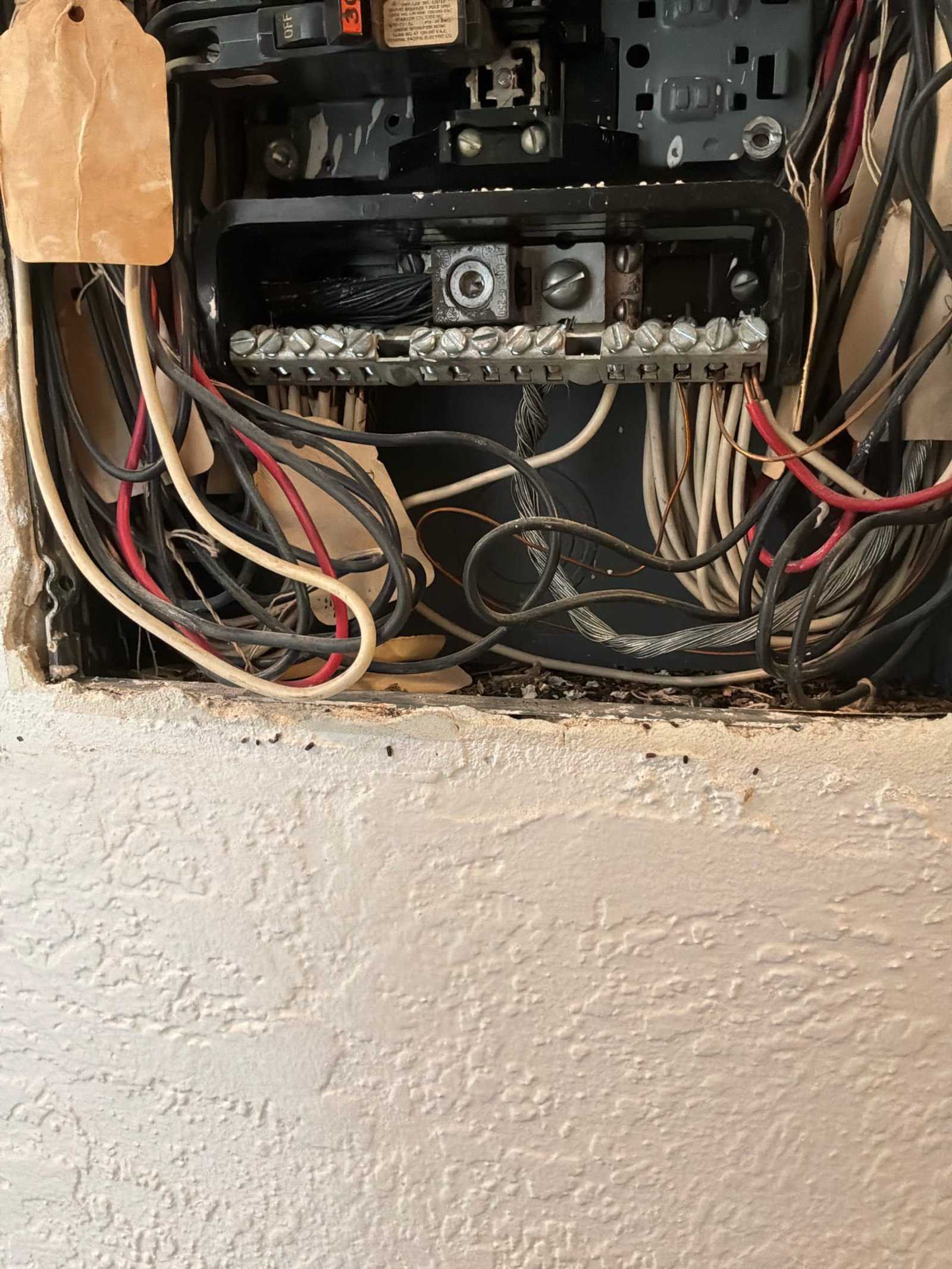
Whatever arrives next will still land on your electrical system. A tired panel limits everything, from a battery to a charger to a heat pump water heater.
- Make sure the panel has open breaker spaces and healthy capacity
- Add whole-home surge protection, since new gear is full of electronics
- Run spare conduit during any remodel while walls are open
- Keep grounding and bonding correct, which every modern system depends on
- Have older aluminum or ungrounded circuits checked by a licensed electrician
Our guide to future-proofing your home for smart tech goes deeper on each step. The Electrical Safety Foundation also shares helpful home safety resources for owners planning upgrades.
The Practical Takeaway
Until the wireless energy horizon Orlando keeps talking about actually arrives, wired work is what pays off. Good circuits, real capacity, surge protection, and storage do more for your comfort than any pad ever will.
Treat bold claims with care, too. If a product promises to power your house through the air today, ask for the numbers.
Want a straight answer about your own system? Call Thomas Edison Electric at (407) 490-0004 and we will walk your panel with you. We hold Florida license EC13015487 and serve Orlando, Oviedo, Sanford, Winter Garden, Apopka, and nearby communities.