
Few places get hit like ours. Central Florida sits in the strip that logs the most lightning in the country, and sea-breeze storms build most summer afternoons. That is why the electrical storm safety Orlando homes need starts at the panel, not at a power strip. Sort it out in calm weather, well before the first watch.
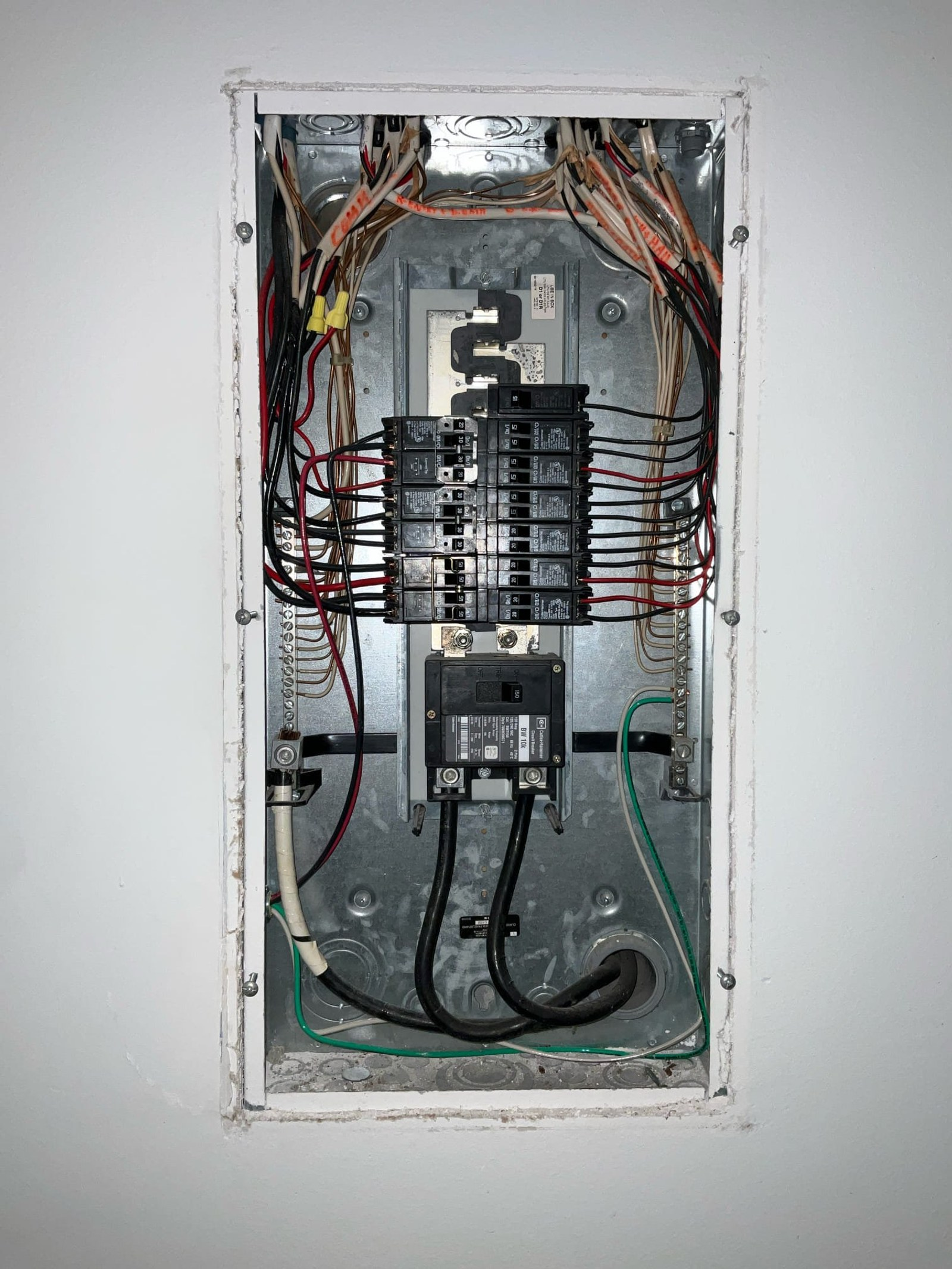
The good news is simple. A few upgrades and a few habits handle most of the risk. Here is what to do before, during, and after a storm.
Why Storms Here Damage Wiring
Damage rarely comes from a direct hit. A strike to a nearby tree, pole, or line sends a spike down the wires and into the house.
Switching on the grid does much the same thing. When power comes back, the jolt is rough on motors and circuit boards. Air handlers, pool pumps, well pumps, and door openers take the worst of it.
Hurricane season then adds wind and water. Between June and November, a system that was fine in April can be tested hard in one afternoon.
Before the Season: Layer Your Surge Protection
One power strip is not a plan. Good defense works in layers. Each layer catches what the one before it lets through.
Start at the panel with a surge device rated for the service. Recent code editions require one on new homes, and Florida follows the National Electrical Code. Then add plug-in units for the TV, the computer, the router, and anything with a control board.
All of it leans on grounding. A surge device needs a clean, low-resistance path to earth. So the ground and bond connections have to be solid. Our guide to whole-house surge protectors covers how to size and place that gear.
One Sanford homeowner learned the order the hard way. See how we repaired surge damage and added a panel device after a storm took out fixtures and an alarm.
During the Storm: Simple, Boring Habits
If you can hear thunder, treat the whole yard as live. Move inside, and stay there for thirty minutes after the last rumble.
- Get out of the pool, the spa, and any lake water at once.
- Unplug spare electronics if you have time before the rain hits.
- Stay off corded gear and away from pipes. Both can carry current.
- Leave yard tools, lights, and pumps alone until the sky clears.
- Keep flashlights handy. Candles cause fires after outages.
The National Weather Service posts clear lightning safety guidance. It is worth reading with the kids before summer.
Pool, Lanai, and Yard Gear
Almost every home here has wiring outdoors. Pool pumps, screen-room fans, landscape lights, and sprinkler timers all live in the weather.
Storms find the weak spots fast. Check that covers close over cords, that boxes are sealed, and that the pool pump switch is dry inside. Bonding around the pool deck and pump matters too, and it does get missed.
If a lanai outlet trips after every rain, that is a real signal. Water is getting in somewhere, and it will not fix itself.
Outages, Generators, and Backfeed
Long outages are part of life here. A generator solves that, but only when it is hooked up right.
Never plug a portable unit into a wall outlet. That pushes power back onto the utility line and can kill a lineworker in your neighborhood. Use a transfer switch or a listed interlock kit, installed by a licensed pro.
Run portable units outside only, well away from doors, windows, and vents. Carbon monoxide is a leading cause of deaths in homes after big storms. Our notes on generator safety for storm season cover fuel, cord size, and placement.
After the Storm: What to Check
Once it is safe outside, walk the property with a flashlight. Look first. Touch nothing yet.
Check outlets and switch plates for scorch marks or a burnt smell. Test lights and appliances one at a time. If a breaker will not reset, leave it off and call. Do not force it.
Water is the bigger hazard. Never power up gear that has been soaked or under water. That includes panels, disconnects, pool gear, and well pumps. Wet gear needs a check, and often a swap, before it is safe.
If the mast, meter can, or service cable is torn loose, stay far back and call your utility. Those repairs take both the utility and a licensed electrician.
Electrical Storm Safety Orlando Homes Need Before June
Run this list each spring, well ahead of the first named storm.
- Confirm a surge device at the panel, and check its status light.
- Have grounding and bonding checked, including at the pool and lanai.
- Test every GFCI, and look at the covers on outdoor outlets.
- Service the standby generator, and run the transfer switch.
- Trim limbs near the service drop. Report anything touching the line.
- Photograph the panel and gear labels for your insurance file.
The NFPA writes the code behind most of these rules. It is a solid reference when someone tells you a safety item is optional.
Get Ahead of the Next One
The electrical storm safety Orlando homes rely on comes from ordinary work done in calm weather. An electrical safety inspection puts your grounding, surge device, and outdoor circuits on paper. Then you know where you stand.
We serve Orlando, Winter Park, Sanford, Oviedo, Apopka, and Kissimmee. Our team handles surge devices, generator hookups, and post-storm repairs. Call Thomas Edison Electric at (407) 490-0004. Florida license EC13015487.