
Rental homes in Central Florida work harder than most owners realize. The AC runs nine months a year, tenants come and go, and pool pumps never rest. The electrical maintenance plans Orlando landlords rely on turn surprise repairs into scheduled visits. That one change protects your budget and your tenants at the same time.
Why Rentals Here Wear Out Faster
Heat and damp are brutal. Outdoor disconnects, meter cans, and lanai outlets rust faster than the same parts would in a dry climate.
Use patterns add stress. A vacation home near Kissimmee may sit empty in fall and hold ten guests in March. Gear that swings between idle and full load ages unevenly.
Then there are tenant changes. Swapped fixtures, added ceiling fans, and unpermitted outlets turn up during most turnover checks.
The Electrical Maintenance Plans Orlando Landlords Rely On
A good plan is short enough to happen. For a single-family rental, once a year is right. Multi-unit buildings do better every six months.
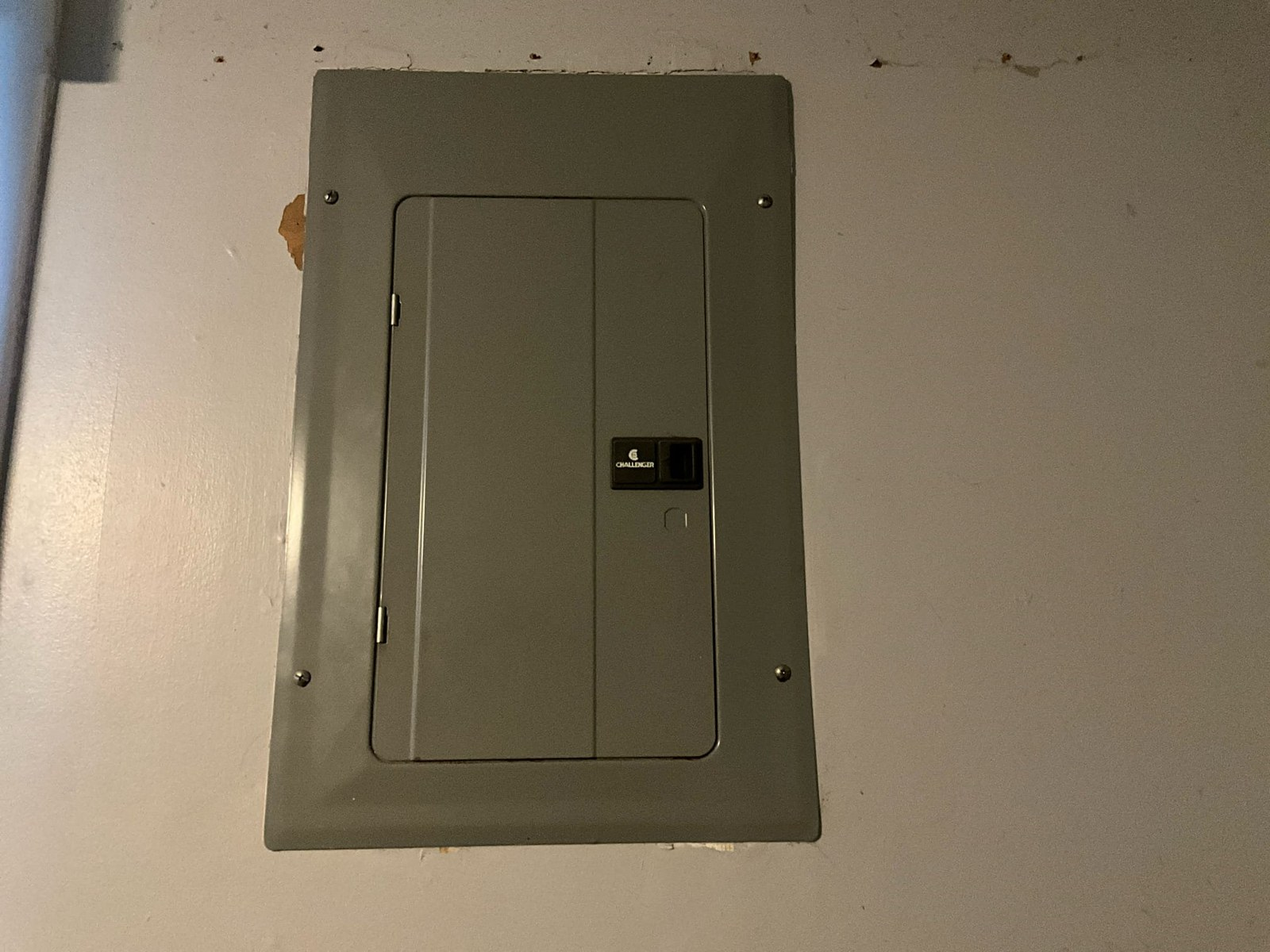
- Open the panel and check for heat, corrosion, double-tapped breakers, and loose lugs
- Test each GFCI and AFCI device, then replace the ones that will not reset
- Test smoke and carbon monoxide alarms, and replace any unit past ten years old
- Inspect outdoor covers, disconnects, and pool pump bonding
- Verify ceiling fan boxes are fan-rated, especially on porches and lanais
- Confirm water heater and dryer circuits match the appliances now in place
- Photograph the panel schedule so future work starts from a known point
Logged visits also help at renewal time. Insurers want proof that someone qualified looked at the system.
Turnover Is the Cheapest Time to Fix Things
An empty unit costs nothing in tenant hassle. Walls are open, power can go off midday, and no one is waiting on a shower.
Use that window for new outlets, alarm upgrades, and any circuit that drew complaints. Worn outlets lose grip and heat up. That is a real fire risk, not a cosmetic issue.
It is also the right moment to settle the alarm question. Our look at hardwired and battery smoke detectors explains what makes sense in rental units.
Storm Season Adds Two Jobs
From June through November, two items move to the top of the list. First comes whole-home surge protection at each meter. This region sees more lightning than anywhere else in the country.
Second comes a post-storm check after any nearby strike or long outage. Surge damage often hides inside a failed device, with no burn mark to see.
Tenants rarely report a flickering light. They report it once the fixture quits entirely, which is often weeks later.
Short-Term Rentals Need a Tighter Schedule
Vacation homes around Kissimmee, St. Cloud, and Winter Garden run on their own rhythm. Guests plug in everything, run the pool heater, and leave lanai lights on all night.
Quarterly visits make sense there. Check pool bonding, GFCI devices at each outdoor outlet, and the load on the outdoor kitchen circuit.
HOA rules may also cover outdoor lighting and generator placement. Confirm those details before you schedule visible work.
Guest safety drives the list here. Bedrooms, pool decks, and outdoor kitchens see heavy use. Those guests do not know the house, so safety devices must work every time.
Multi-Unit Buildings Have Extra Items
Duplexes and small apartment buildings carry gear that single-family rentals do not. House panels, meter stacks, and common-area lighting all belong on the list.
Meter banks rust from the bottom up in this damp. Outdoor photocells fail quietly, and laundry circuits take heavy daily use.
Add stairwell and parking lot lights too. Those fixtures affect tenant safety, and a dark walkway invites a claim long before anyone reports it.
What Should a Plan Cost?
Owners often compare a plan against one after-hours call. A single failure can cost more than a year of planned visits.
Solid electrical maintenance plans Orlando owners sign should price the visit clearly, list exactly what is included, and separate repairs from inspection. Surprise line items defeat the purpose.
Ask what happens between visits too. Fast scheduling matters when a tenant loses power on a Friday.
Older Properties and Inherited Wiring
Many rentals near downtown were built decades ago and changed many times. Cloth wiring, ungrounded outlets, and old panels are all still in service.
Past owners sometimes hired unlicensed help. That is exactly what we found when an Oviedo inspection uncovered add-on wiring that had never been permitted or inspected.
If you are buying, get ahead of it. The case for an electrical inspection before closing is strongest on rentals. Hidden defects become your problem on day one.
Build the Plan Around Documentation
Each visit should produce a written report with photos. Keep those records with your lease files and insurance papers.
A scheduled electrical safety inspection creates that record for you. It also gives you a solid answer if a tenant ever raises a safety claim.
For simple handouts you can give residents, the Electrical Safety Foundation International offers free tools. Code questions belong with the NFPA, which publishes the standards Florida adopts.
One Simple Rule for Landlords
Fix small things while they are still small. A loose outlet is a cheap visit. That same outlet, left alone, can char a wall box and take out a whole circuit.
Tell tenants what to report, too. Warm switch plates, buzzing dimmers, and breakers that trip twice a week all count. One short text can save you a big bill.
Thomas Edison Electric works with landlords and property managers across Orlando, Winter Park, Longwood, Casselberry, and Kissimmee. Call (407) 490-0004 to build a schedule that fits your portfolio, Florida license EC13015487.