
Buying or building in Central Florida is exciting, and the wiring is easy to overlook. Whether you closed on a 1960s bungalow in Colonialtown or a new build in Horizon West, the wiring deserves a careful look. An electrical inspection Orlando homeowners book early turns unknowns into a simple to-do list. Here is what a good review should cover.
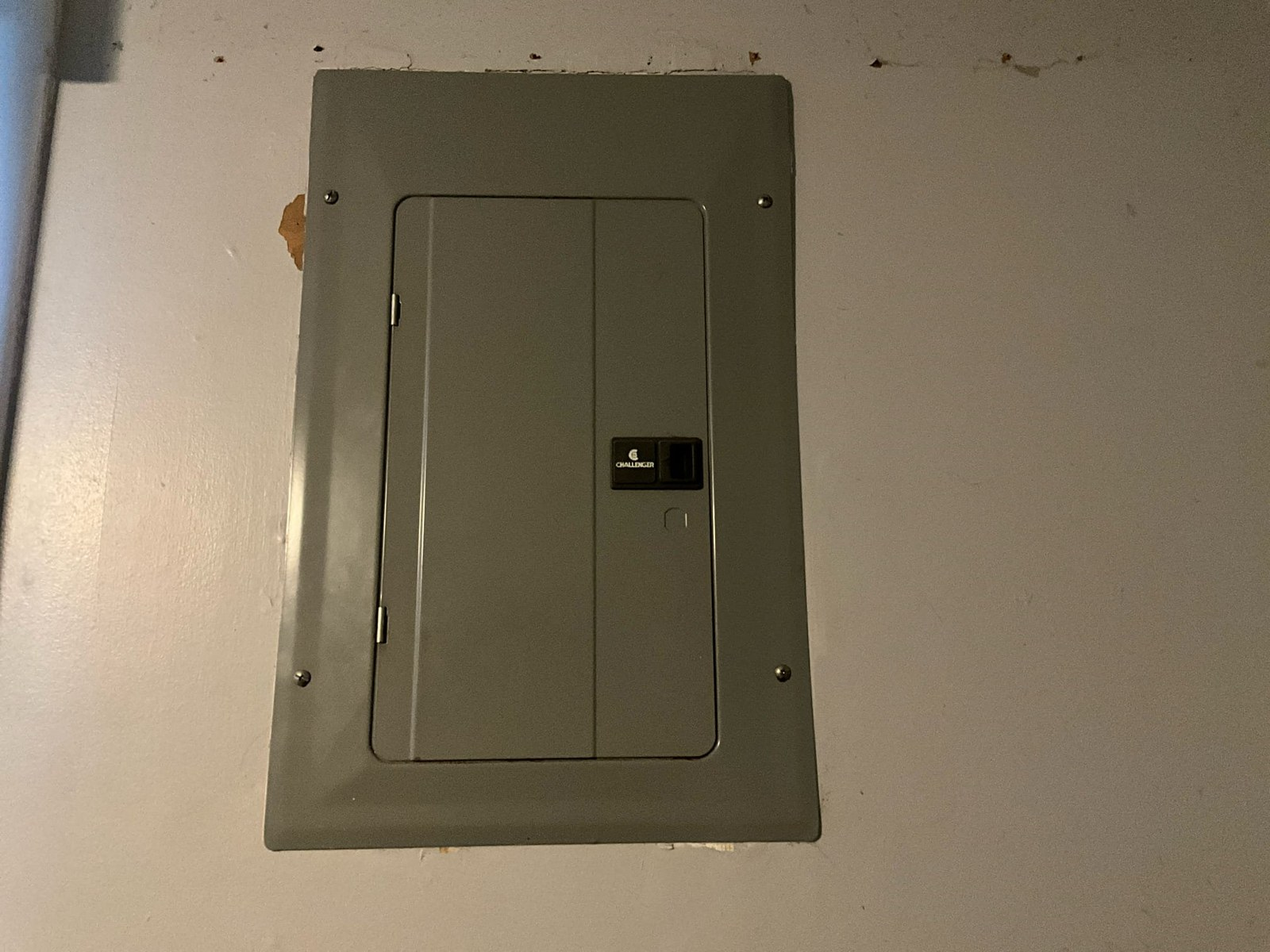
Use this checklist before closing, before a remodel, or before adding a big appliance. It works for a new build and for a house with decades of history.
Start at the Panel
The panel tells most of the story. An electrician checks the service size, the breaker ratings, and the shape of every joint. Rust, heat marks, and double-tapped breakers all matter.
- Service size, and whether it fits how you really live
- Clear labels on every circuit
- Grounding and bonding joints at the panel
- Working room in front of the panel
- Signs of rust, which Florida damp air speeds up
- Panel brands with a poor safety record
Outdoor panels are common here, and they take a beating. Sun, salt air near the coast, and daily rain shorten the life of boxes and meter cans.
Wiring, Grounding, and Bonding
Wire size has to match the breaker that protects it. An inspection checks that pairing all through the house. It also looks for splices outside of boxes and cable that was never tacked down.
Grounding gets extra attention in older parts of town. Two-prong outlets, missing ground rods, and unbonded metal water pipe all turn up often. Attic runs need a look too, because rodents chew insulation in Florida attics.
Remodel history matters too. Add-ons, garage conversions, and enclosed carports often hide work done without a permit. Junction boxes buried behind drywall are a common find in houses that changed hands a few times.
Why an Electrical Inspection Orlando Buyers Schedule Pays Off
A general home inspection is broad by design. It flags obvious problems but rarely opens the panel or tests every device. An electrician digs deeper and gives you real numbers.
That detail changes the talks. An electrical inspection Orlando buyers pay for often costs less than one surprise repair. Our article on electrical inspections when buying a home explains how the timing usually works.
Hidden issues show up more often than people expect. You can see what a full inspection turned up in one Orlando kitchen.
GFCI, AFCI, and Everyday Devices
These devices are where safety gets real. Kitchens, baths, garages, laundry areas, and outdoor spots need GFCI protection. Living areas and bedrooms need AFCI protection under current code.
Every outlet should be tested, not just counted. Reversed polarity, loose devices, and open grounds are common finds. Tamper-resistant outlets are the rule in homes today.
Push the test buttons yourself once a month after you move in. A GFCI that will not reset has told you something useful.
Pools, Lanais, and Outdoor Circuits
This is the part that makes a Central Florida checklist different. Pool pumps, heaters, and lights need GFCI protection and careful bonding. Bonding is what keeps a wet deck from carrying a voltage difference.
Screened lanais bring their own details. Ceiling fans need damp or wet-rated listings and fan-rated boxes. Outdoor outlets need in-use covers that stay closed during a downpour.
Yard lights, sprinkler timers, and well pumps round out the list. Each one lives in weather that eats joints fast.
Surge Protection and Storm Readiness
Lightning is a bigger factor here than almost anywhere else. Recent code editions call for surge protection on new and replaced home services, and for good reason. If your house came before that rule, adding a device is a small job.
Storm prep also covers generator hookups. An interlock kit or a transfer switch keeps power from backfeeding into power lines. Any generator wiring should show up in the inspection report.
Ask about permit history while you are at it. Orange, Seminole, and Osceola counties keep records of permitted work on a home. Gaps in that history often explain the odd wiring an electrician finds later.
Fixtures, Fans, and Attic Access
Ceiling fans run nearly year-round here, so their mounting matters. Every fan needs a box listed to carry the weight and the motion. Wobble usually points to a box that was never rated for the job.
Recessed lights get checked for clearance and insulation contact. Attic junction boxes must stay easy to reach and covered. Loose splices above a bedroom ceiling are just the kind of thing an inspection catches.
Smoke Alarms and Carbon Monoxide Detection
Alarms are the cheapest life-safety upgrade in any house. They belong in every bedroom, outside each sleeping area, and on every level. Linked units sound together, which buys time at night.
Check the date stamped on each unit while you are there. Alarms age out even when they still chirp on the test button.
New Construction Has Its Own Punch List
A brand-new home is not always a finished home. Fast-moving subdivisions leave missed boxes, loose cable, and mislabeled panels. The Florida Building Code adopts the National Electrical Code, and a private review confirms the work meets it.
Walk the house before your builder warranty runs out. Our guide to electrical problems in new construction shows what to watch for. ESFI also offers useful homeowner safety resources to keep on hand.
Book Your Inspection
Thomas Edison Electric runs a detailed electrical safety inspection for homeowners in Orlando, Winter Park, Oviedo, Lake Mary, and Winter Garden. You get a clear report, ranked repairs, and honest pricing. Call (407) 490-0004 to book a visit. Our Florida license number is EC13015487.