This Orlando electrical inspection case study walks through the real diagnosis, the fix, and the code details from a recent service call. A homeowner in Orlando, FL (32817) called about a garbage disposal outlet that had stopped working. What started as a single dead outlet turned into a full visual inspection, and our field team documented several areas where the home’s electrical system predates current code requirements. No repairs were completed on this visit; instead, we walked the homeowner through every finding and provided clear options for moving forward.
The Problem
The homeowner noticed the outlet powering the garbage disposal had gone dead. A nearby kitchen outlet was also unresponsive, and a separate circuit seemed to be running hotter than expected.
“One circuit is ungrounded and may create a different outlet on the wall. One circuit is grounded but possibly too high of volts and causing things to overheat.”
Those observations pointed toward underlying wiring conditions worth a closer look, so our technician on-site performed a full visual safety inspection before recommending any path forward.
Investigation
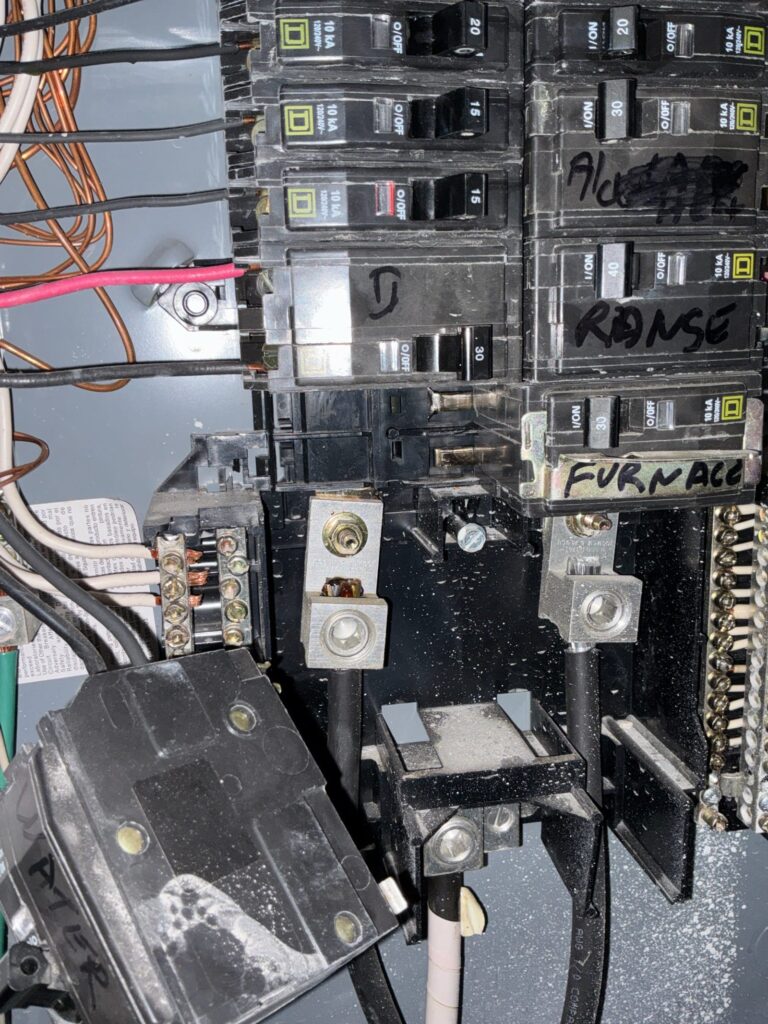
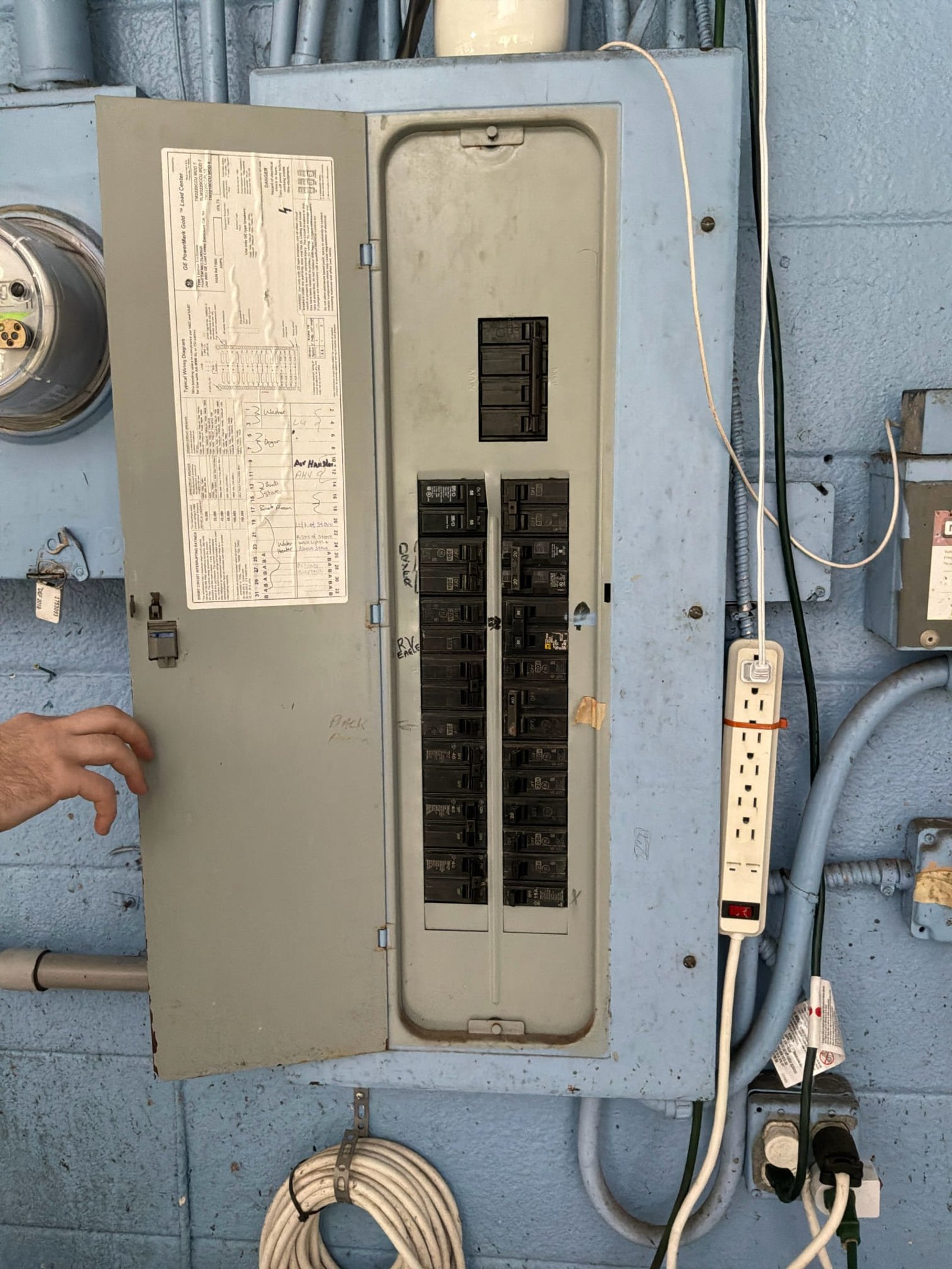
The licensed electrician on site started at the panel. The home is served by a Square D QO 125-amp load center. Overall, the panel was in reasonable condition: breakers were properly sized, the busbar showed no corrosion, and double-tapping was not present. However, several findings across the home’s circuits and devices stood out as opportunities for improvement.
Kitchen and Outlet Conditions
First, the team confirmed that the kitchen outlets, including the one feeding the garbage disposal, lacked GFCI protection. Under NEC 210.8, all kitchen receptacles serving countertop surfaces require GFCI protection. This requirement has been in place since the mid-1970s and has been expanded in each code cycle since. The outlets in this kitchen predate those updates.
Additionally, the outlets were found to be backstabbed, meaning the conductors were pushed into spring-loaded rear terminals rather than secured to side screws. Backstabbing was a common shortcut in homes wired before roughly 2005. Over time, spring tension eases, contact resistance increases, and the result is the kind of intermittent failure or heat buildup the homeowner described. Replacing them with screw-terminated connections is a straightforward, durable fix.
Smoke Detectors and Life-Safety Devices
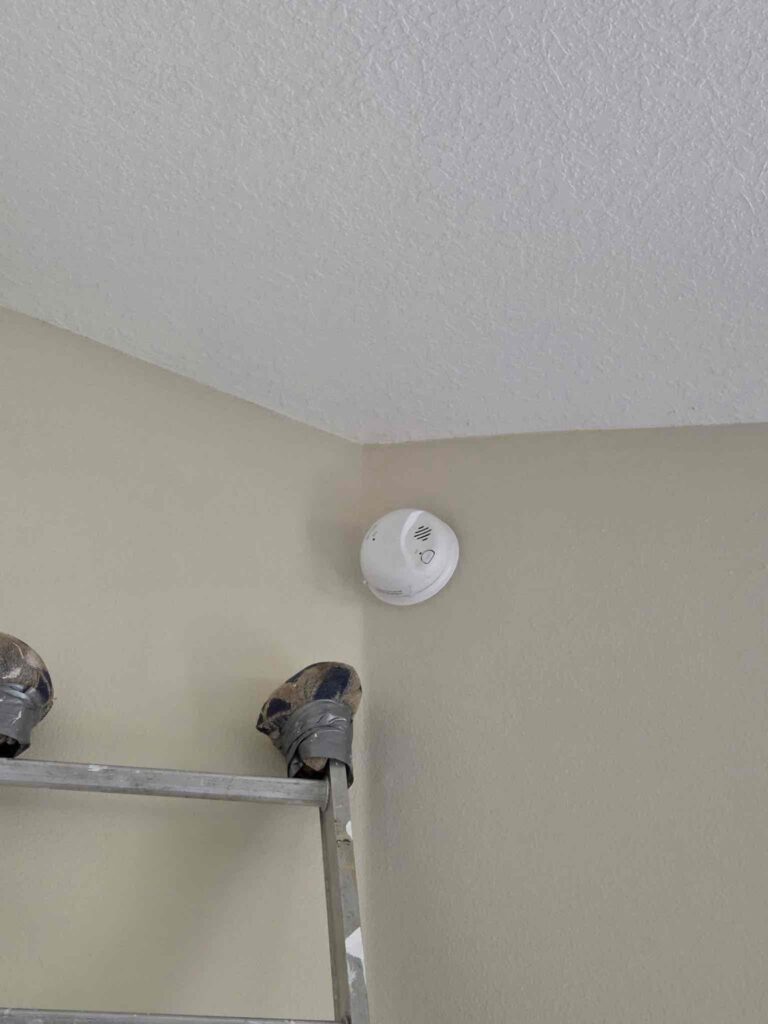
Next, the team checked the smoke detectors. The existing units do not meet current NFPA 72 requirements for placement and interconnection. Updated 10-year sealed lithium smoke detectors with full interconnect capability would bring this home in line with current standards, so if any unit activates, every detector in the home responds together.
Grounding System
The grounding system is present and the outlets tested as grounded, but the overall grounding system configuration is flagged as a concern, consistent with older installations that predate current NEC 250 grounding electrode requirements. A full grounding system upgrade would bring the home to current standards.
Branch-Circuit Protection
Finally, the inspection confirmed that AFCI protection is not present on branch circuits. NEC 210.12 now requires arc-fault circuit interrupters on virtually all dwelling-unit branch circuits. Similarly, no whole-home surge protective device was present at the service. NEC 230.67 now requires a listed SPD at the service of all new dwelling-unit installations, and adding one to an existing home is a practical upgrade that protects appliances, electronics, and HVAC equipment from voltage spikes.
What We Fixed
On this visit, our team investigated and documented all findings, then presented the homeowner with a full set of options. The homeowner reviewed the recommendations and indicated he would schedule the repair work at a later time. No electrical work was performed during this call, the visit focused entirely on thorough inspection and transparent communication.
Our recommendations included:
- Restore the dead kitchen outlet and trace the root cause of the open circuit
- Install GFCI devices at all required kitchen locations, per NEC 210.8
- Replace backstabbed outlets and switches with properly screw-terminated devices
- Upgrade smoke detectors to interconnected 10-year sealed units per NFPA 72
- Upgrade the grounding system to current NEC 250 standards
- Add AFCI breakers on applicable branch circuits per NEC 210.12
- Install a Type 2 surge protective device at the Square D QO panel per NEC 230.67 and NEC 285.25
Why This Orlando Electrical Inspection Matters for Homeowners
Kitchen outlets take more daily use than almost any other circuit in the home: blenders, microwaves, coffee makers, the garbage disposal, and phone chargers all share that wall space. When outlets are backstabbed rather than screw-terminated, that constant cycling eventually works against the connection. The homeowner’s experience, a dead outlet and a warm circuit, is a textbook example of what that wear looks like in daily life.
For a family going about a normal morning routine, GFCI protection means the kitchen works the way you’d expect it to. Modern GFCI outlets respond in a fraction of a second to unexpected current changes, and they reset with a button press right at the outlet. That is the kind of reliability that makes the kitchen feel dependable, not something to think twice about.
Meanwhile, interconnected smoke detectors mean every room talks to every other room, so the whole household knows at once if anything changes, whether the family is cooking dinner or asleep for the night. Adding a whole-home surge protector at the panel gives the home’s electronics, AC, and appliances quiet, continuous protection through every Florida storm season, so the family’s routine keeps running smoothly, storm after storm.
Thomas Edison Electric is licensed in Florida (EC13015487). You can verify our license any time.
Code Compliance Cited in This Job
Every fix above maps to a specific section of the 2020 NEC, the edition Florida enforces under the 8th Edition Florida Building Code. Florida adopts the 2023 edition of the NEC when the 9th Edition takes effect on December 31, 2026. Each card links to NFPA’s public NEC index.
GFCI Protection
This Orlando kitchen lacked GFCI protection on the countertop-serving receptacles, including the outlet powering the garbage disposal. NEC 210.8 requires GFCI protection for all kitchen receptacles in dwelling units. Installing GFCI devices here brings the kitchen outlets in line with current code and adds a layer of protection that wasn’t standard when the home was originally wired. NFPA reference ›
AFCI Protection
The inspection confirmed no AFCI protection on the home’s branch circuits. NEC 210.12 requires arc-fault circuit interrupter protection on virtually all dwelling-unit branch circuits in current code cycles. Upgrading to AFCI breakers in the Square D QO panel addresses this gap and provides the thermal-stress detection that modern branch circuits are designed to include. NFPA reference ›
Surge Protective Device at Service
No whole-home surge protective device was present at this 125-amp Square D QO service. NEC 230.67 requires a listed SPD at the service of all new dwelling-unit installations. Adding a Type 2 SPD to this panel protects HVAC equipment, appliances, and electronics from voltage spikes, especially relevant during Florida’s active lightning season. NFPA reference ›
Type 2 SPD Installation
When a surge protective device is added to an existing panel like the Square D QO here, NEC 285.25 governs the installation requirements for Type 2 SPDs, including connection location and listing requirements. Following these requirements ensures the device performs as rated during a surge event. NFPA reference ›
Replacement Receptacle Requirements
When the backstabbed outlets in this home are replaced, NEC 406.4 (D) requires that replacement receptacles meet current requirements, including GFCI protection where applicable and tamper-resistant construction in dwelling units. This section ensures that a simple outlet swap also brings the location up to current standards, not just back to its original condition. NFPA reference ›
Grounding Electrode System
The grounding system at this Orlando home was flagged as a concern, present but not fully consistent with current NEC 250.50 requirements for a complete grounding electrode system. A grounding upgrade would establish a properly bonded electrode system and bring the home’s grounding in line with current code, supporting reliable circuit performance for all connected loads. NFPA reference ›
Common Questions
Questions homeowners ask after seeing this kind of work.
Why would a kitchen outlet stop working even if the breaker hasn’t tripped?
A backstabbed outlet is one of the most common causes. When conductors are pushed into spring-loaded terminals instead of secured to screws, the connection can loosen over time without tripping the breaker, it simply loses continuity and the outlet goes dead. A GFCI upstream in the circuit may also have tripped without being noticed. Our team can trace the exact cause quickly. Schedule online to get on the calendar.
Are kitchen outlets required to be GFCI protected in Florida?
Yes. NEC 210.8 requires GFCI protection for all kitchen receptacles serving countertop surfaces in dwelling units, and Florida adopts the NEC. Many older homes were wired before this requirement was expanded, so the outlets were code-compliant when installed, but current standards now call for GFCI devices at those locations. Updating them is straightforward and keeps the kitchen working the way you’d expect. Book a safety check if you’re unsure about your kitchen outlets.
How often should a homeowner have their electrical system inspected?
Once a year is a solid baseline for most homes. Homes built before 1990, or homes that have been through recent storm seasons, may benefit from inspections more frequently, since older wiring and weather exposure can introduce wear that isn’t visible without a closer look. An annual inspection gives the family peace of mind and catches small issues before they affect daily life. Schedule online to set up your yearly check.
What is a whole-home surge protector and does my home need one?
A whole-home surge protective device (SPD) installs directly at your main panel and absorbs voltage spikes before they reach your appliances, HVAC system, and electronics. Florida’s lightning season makes this upgrade especially practical: your fridge, AC, computers, and TVs ride out storms without skipping a beat. NEC 230.67 now requires SPDs on new dwelling-unit services, and adding one to an existing panel is a quick, high-value installation. Schedule online to ask about adding one to your panel.
What should I do if my smoke detectors are out of date?
Smoke detectors have a recommended service life of 10 years. If yours are older than that, or if they are standalone units that don’t communicate with detectors in other rooms, upgrading to interconnected 10-year sealed lithium units is the right move. NFPA 72 sets the standard for placement and interconnection, and modern detectors make sure every room knows what every other room knows. If you’re not sure how old your detectors are, our team can check during an inspection. Book a safety check any time.
Want to see more real jobs like this one? Browse our completed case studies or explore our services.