
Search for electric heater safety Orlando and most of what comes back is cold-weather advice about plug-in space heaters. Central Florida homes work differently. The heaters that carry real electrical load here run all year, and nearly all of them are wired in place.
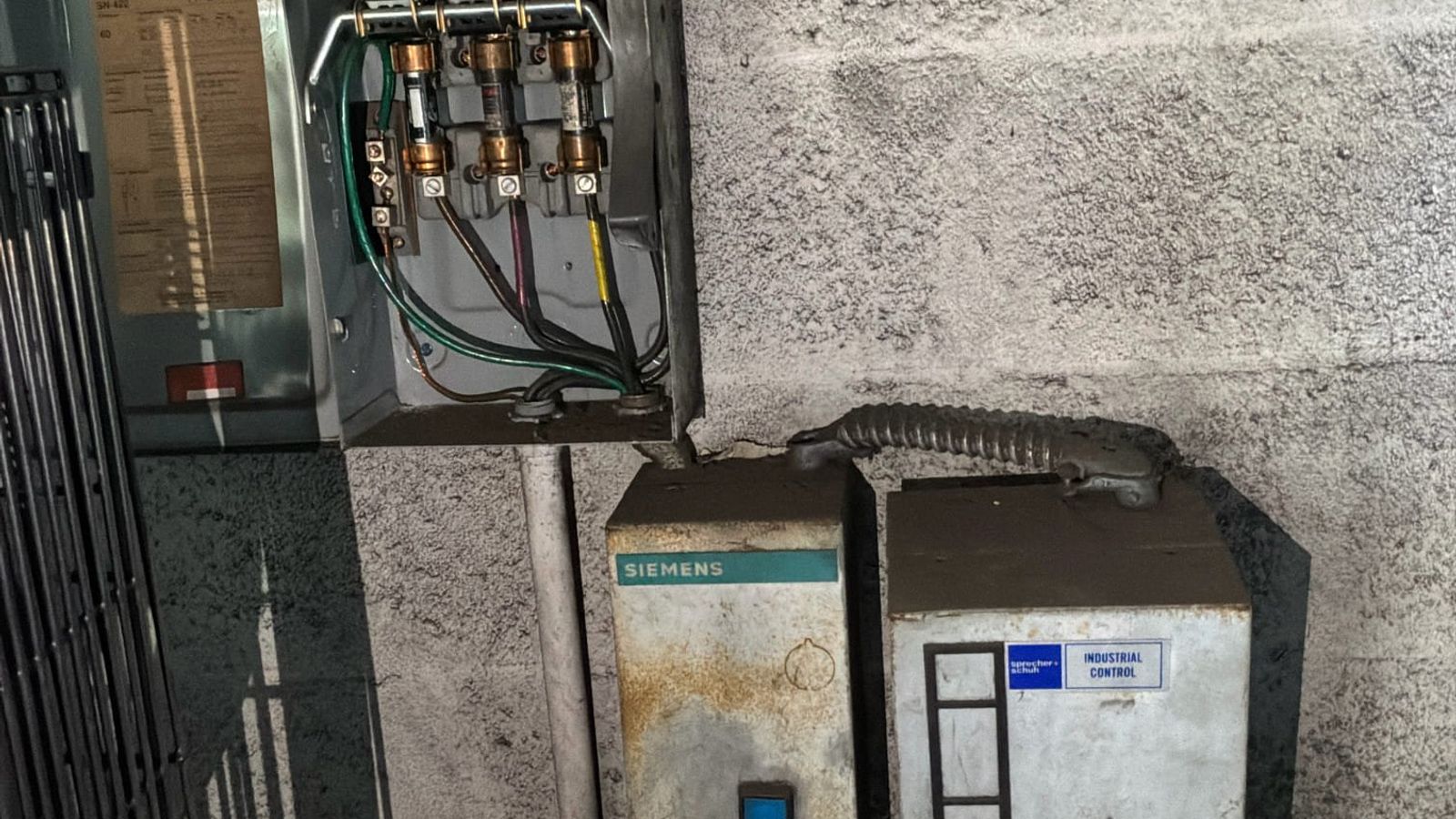
Your water heater, your pool heat pump, and the resistance strips inside your air handler are all electric heaters. Together they draw far more current than anything you plug into a wall. That is where a homeowner here should look first.
The Electric Heaters You Forget You Own
Ask most people to name the electric heaters in their house and they picture something portable. In practice, the heavy hitters are already installed and out of sight.
- A 240-volt water heater, usually in the garage or a utility closet.
- A pool or spa heat pump on its own outdoor circuit.
- Electric resistance strips inside the air handler, used when the heat pump needs help.
- A bathroom heat lamp, or an original wall heater in a mid-century block home.
- A patio heater on the lanai, used a few evenings a year.
Each one sits on a separate circuit, and each one fails in its own way. You also cannot simply unplug most of them when something feels wrong.
Start With the Water Heater in the Garage
A standard electric tank runs two 4,500-watt elements on a 240-volt circuit, typically a 30-amp double-pole breaker. That is a large heater working in your garage every single day.
Orlando garages stay hot and humid, so terminals corrode and connections work loose. Look at the breaker and the disconnect for rust, discoloration, or a scorched smell. Check that the wiring at the top of the tank enters through a proper connector instead of hanging free.
If that breaker trips, never replace it with a larger one. A tripping water-heater breaker usually means a failed element or damaged wire, and more amperage only hides the problem. Heat pump water heaters are showing up in more homes here, and the Department of Energy explains how heat pump systems work if you are weighing a replacement.
Pool and Spa Heaters Need More Than a Circuit
On many properties the pool or spa heat pump is the single largest heating load. It needs a correctly sized dedicated circuit and a disconnect within sight of the equipment.
Bonding matters just as much. The NEC requires equipotential bonding around pools and spas so the water, deck, and metal parts stay at the same electrical potential. That bonding wire corrodes quietly, especially around salt systems, and nobody notices until an inspection.
Central Florida also sits in the lightning capital of the country. Control boards on outdoor heating equipment are a routine surge casualty, which makes whole-home surge protection a practical upgrade rather than a luxury.
Strip Heat Is a Stress Test for Your Panel
On the few genuinely cold nights we get, your heat pump calls on electric resistance strips. A ten-kilowatt bank can pull more current than your dryer and range combined, and it may only run a handful of times a year.
That rare, heavy draw exposes weak wiring fast. Warm breakers, lights that dim when the air handler starts, or a burning smell near the equipment all point to loose lugs or a tired panel. A routine visit turned up rust and double-tapped breakers in one Orlando panel, and you can see what that inspection found.
Leaving the thermostat on emergency heat makes it worse, because that setting locks the system into resistance heat. Better controls help as well, which is one reason smart thermostats save Orlando homeowners money.
Electric Heater Safety Orlando Homes Actually Need
Strip out the seasonal advice and the real list gets short. Almost all of it concerns circuits and connections rather than the appliance itself.
- Every fixed heater on its own correctly sized circuit, with no extension cords involved.
- A disconnect within sight of outdoor heating equipment.
- GFCI protection where required, including spa and outdoor receptacles.
- Intact bonding around pool and spa equipment.
- A panel with no rust, no scorching, and no double-tapped breakers.
- Smoke alarms that work, replaced once they pass ten years old.
An electrical safety inspection covers all of that in one visit. It is especially worth doing after you buy a house, because few buyers ever see the water heater or pool heater under load before closing.
Humidity and Attic Heat Do the Damage Here
Central Florida attics can pass 130 degrees in summer, and garages are not far behind. Heat and moisture together age insulation, loosen terminations, and corrode contacts long before anything actually fails.
Rodents and insects add to it. They nest in outdoor heat pump cabinets and chew low-voltage wiring, so the first symptom is usually odd behavior rather than a dead unit. ESFI publishes plain-language home electrical safety resources if you want a broader checklist.
Because of all this, an annual look at your fixed heating equipment pays off more here than the mild climate suggests. Corrosion never takes a season off.
What About Plug-In Heaters?
Portable units are a separate subject with their own rules, and they are worth reading up on before you pull one out of storage. Our companion article on space heater safety for Florida homes covers placement, clearance, and cords in detail.
When to Call a Licensed Electrician
The electric heater safety Orlando homes require comes down to three things: a correctly sized circuit, a sound connection, and protection from moisture. Nearly every problem we find traces back to one of them.
Call an electrician if a heating circuit trips, if a breaker feels warm to the touch, or if you spot rust or scorching inside the panel. Those signs rarely improve on their own.
Thomas Edison Electric serves Orlando, Winter Park, Oviedo, Lake Mary, Kissimmee, and the surrounding communities. Call (407) 490-0004 to schedule an inspection. Our Florida license is EC13015487.