
Adding an electric car charger Orlando condo and apartment residents can use every night is very doable. It simply takes a few more steps than a driveway install at a single-family house. You share walls, parking, and often one large electrical service. Because of that, the plan matters as much as the hardware.
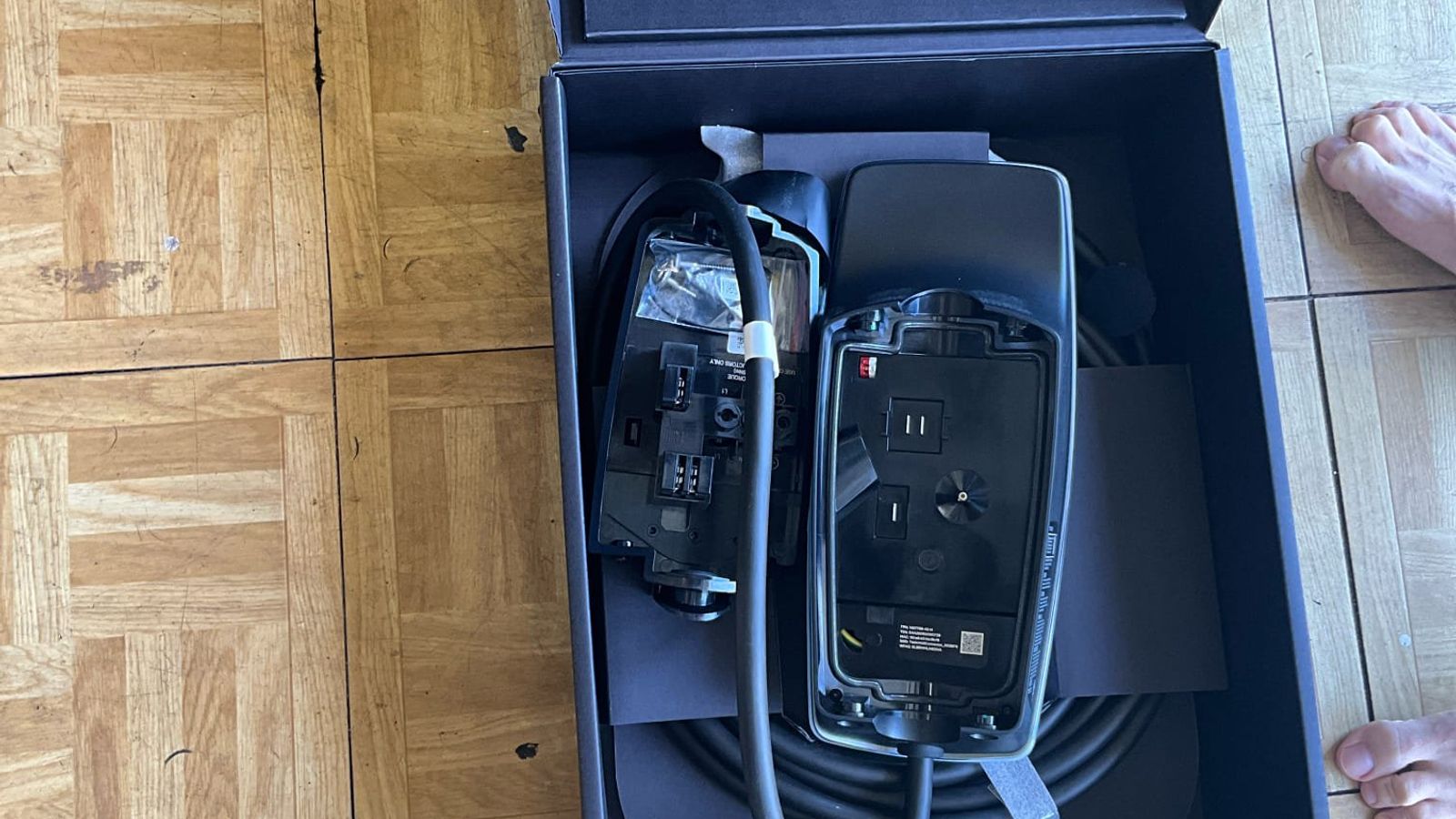
Downtown high-rise garages, garden apartments in Altamonte Springs, and Winter Park condo courts all handle this differently. Here is how to work through it without losing months to back-and-forth.
Florida Law Gives Condo Owners Real Footing
Florida statutes protect a condominium owner who wants a charging station in a limited common element parking space. Homeowners associations face similar limits under state law. In plain terms, a board usually cannot ban charging outright.
That right comes with conditions, though. You generally pay for the installation and the electricity, you use a licensed electrician, and you carry insurance on the equipment. Renters do not get the same protection, so a landlord conversation comes first.
Ask Your Association These Questions First
Every board has a process, even when nobody has written it down clearly. Getting the answers early saves weeks of waiting.
- Where may the unit go? Some buildings allow only your deeded or assigned space.
- Who owns the equipment if you sell or move out?
- What insurance certificate does the board want from the contractor?
- Which panel or meter will feed the new circuit?
- Does the board require a licensed Florida electrical contractor and a permit? It should.
Submit the request in writing with a simple one-page plan. Boards approve clear proposals far faster than vague ones. Still, expect at least one meeting cycle before you get an answer.
What the Building Can Actually Feed
Capacity is the real hurdle in older buildings. Many Orlando-area condos went up in the 1970s and 1980s, long before anyone charged a car overnight. The house panel may be full, and the risers were sized for the loads of that era.
A licensed electrician can run a load calculation and give you an honest answer. Sometimes the fix is one spare breaker space. Other times it means a subpanel, a new meter tap, or a load-management device that throttles charging when the building is busy.
Choosing an Electric Car Charger Orlando Buildings Will Approve
Hardware choice often decides whether a board says yes. Three setups cover almost every multifamily situation.
- Level 1: a standard 120-volt outlet on its own circuit. It is slow, yet it adds roughly three to five miles of range per parked hour. That covers a lot of Central Florida commutes.
- Level 2: a 240-volt circuit with much faster charging. This is the usual choice for a dedicated space.
- Load-sharing Level 2: two or more units split one circuit. Boards like this because it caps the building demand.
Whichever you pick, keep it listed by a recognized testing laboratory. Our team handles EV charger installation for Orlando-area homes and multifamily properties, permits included. If you are still comparing models, our guide on choosing a home EV charger walks through the tradeoffs.
What the Installation Itself Involves
The physical work is usually less dramatic than owners expect. An electrician traces a route from the source panel to your space, then protects the wiring where people and cars pass.
In a parking garage, that often means surface conduit along a ceiling or column. In a garden-style complex, it may mean a short run from a nearby meter bank. Core drilling through a post-tension slab is the one detail worth flagging early, because it needs engineering approval.
Expect a permit, an inspection, and a final walkthrough. A tidy install with labeled conduit also makes the next resident’s approval easier.
Sorting Out Who Pays for the Power
Nobody wants the association covering your fuel bill. Modern equipment solves that cleanly.
Networked units track kilowatt-hours per driver and bill you directly through an app. A submeter is another option when the circuit comes off house power. Circuit-level monitoring works too, and you can see how we set that up for an Oviedo home.
Heat, Lightning, and Storm Season Change the Details
Central Florida is the lightning capital of the country. A surge riding in on the building service can take out charging electronics in one strike. Surge protection at the panel is cheap insurance here.
Open parking decks add heat. Afternoon sun on a west wall pushes enclosure temperatures up, and cables baking on concrete stiffen sooner. A shaded level or a north-facing wall helps, as our notes on sun exposure and outdoor chargers explain.
Storm season matters too. Drivers top off before a system arrives, so a single shared unit can get crowded in September. Plan for that if your building has only one.
If a Dedicated Charger Is Not an Option
- Workplace and public charging near your building can carry you between longer sessions.
- A board-owned shared charger, split among residents, is a common compromise.
- A Level 1 outlet at your own space is often the easiest approval to win.
The Department of Energy keeps a readable primer on charging an electric vehicle at home. ESFI also publishes practical home electrical safety guidance worth reading before you shop.
Talk to a Licensed Orlando Electrician
Multifamily work rewards planning. A load calculation, a clean written proposal, and a permitted install keep both the board and the building safe. An electric car charger Orlando drivers can plug into every night is worth the extra paperwork.
Call Thomas Edison Electric at (407) 490-0004 to talk through your parking situation. We hold Florida license EC13015487 and serve Orlando, Maitland, Longwood, Altamonte Springs, and nearby communities.