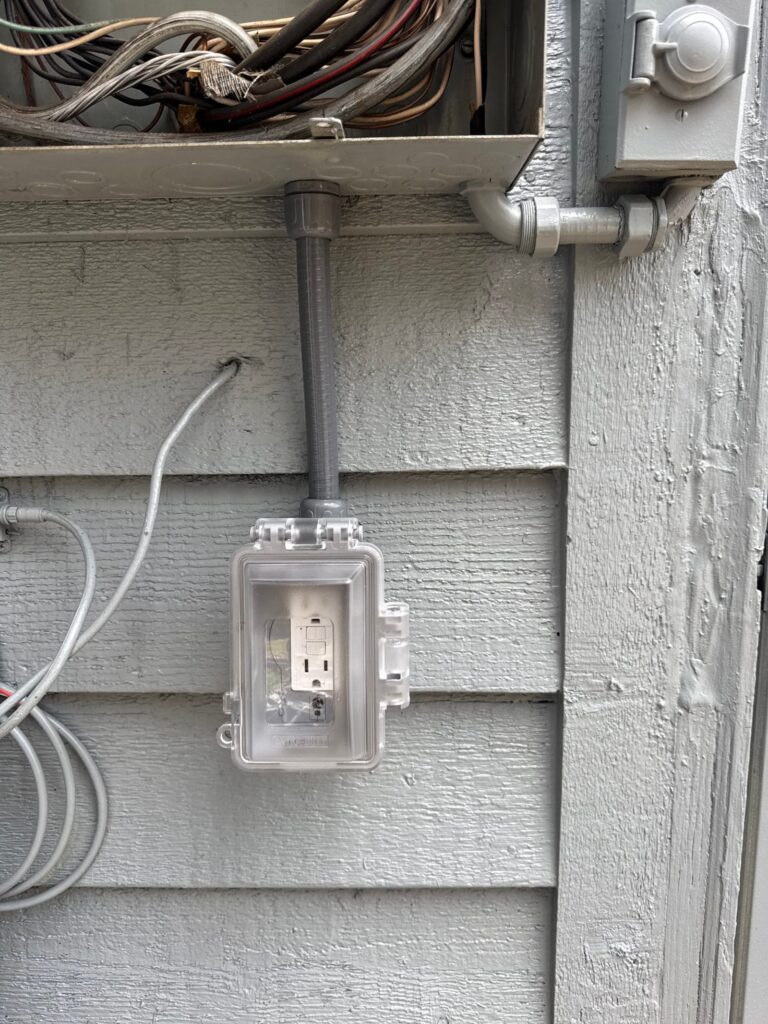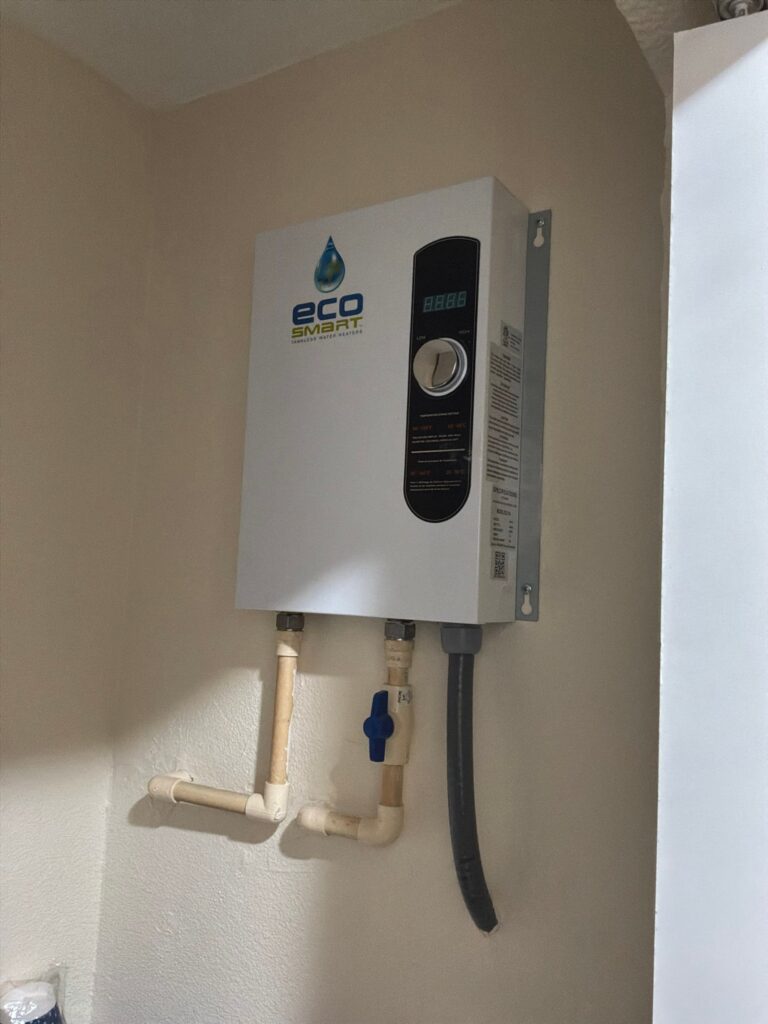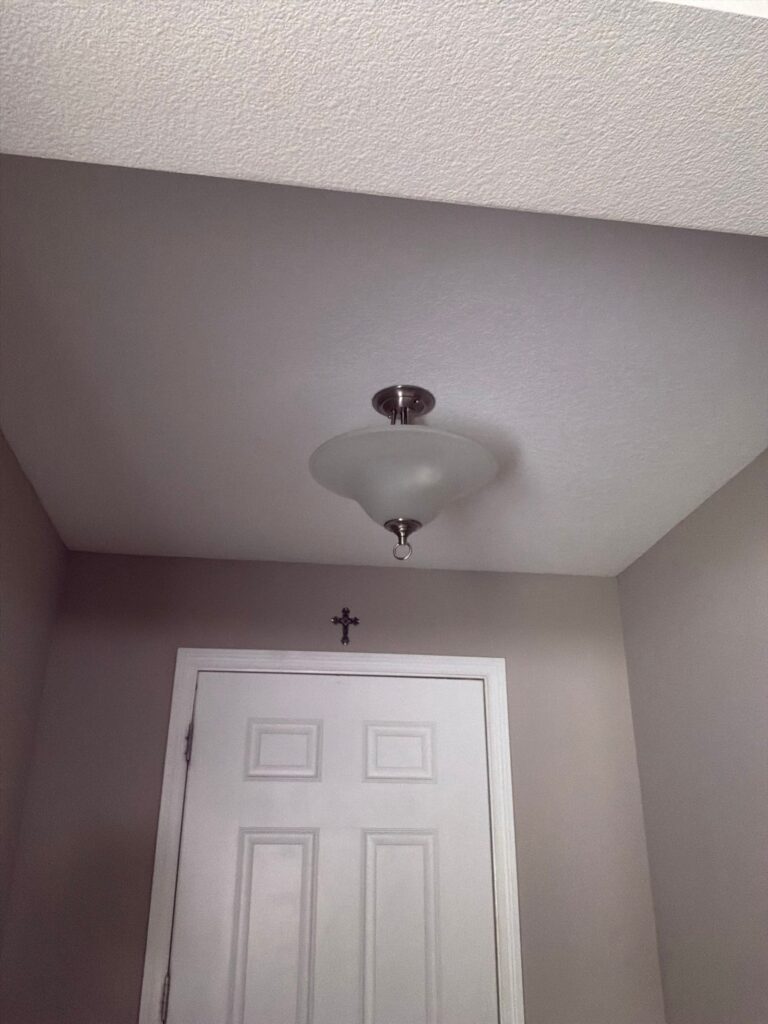
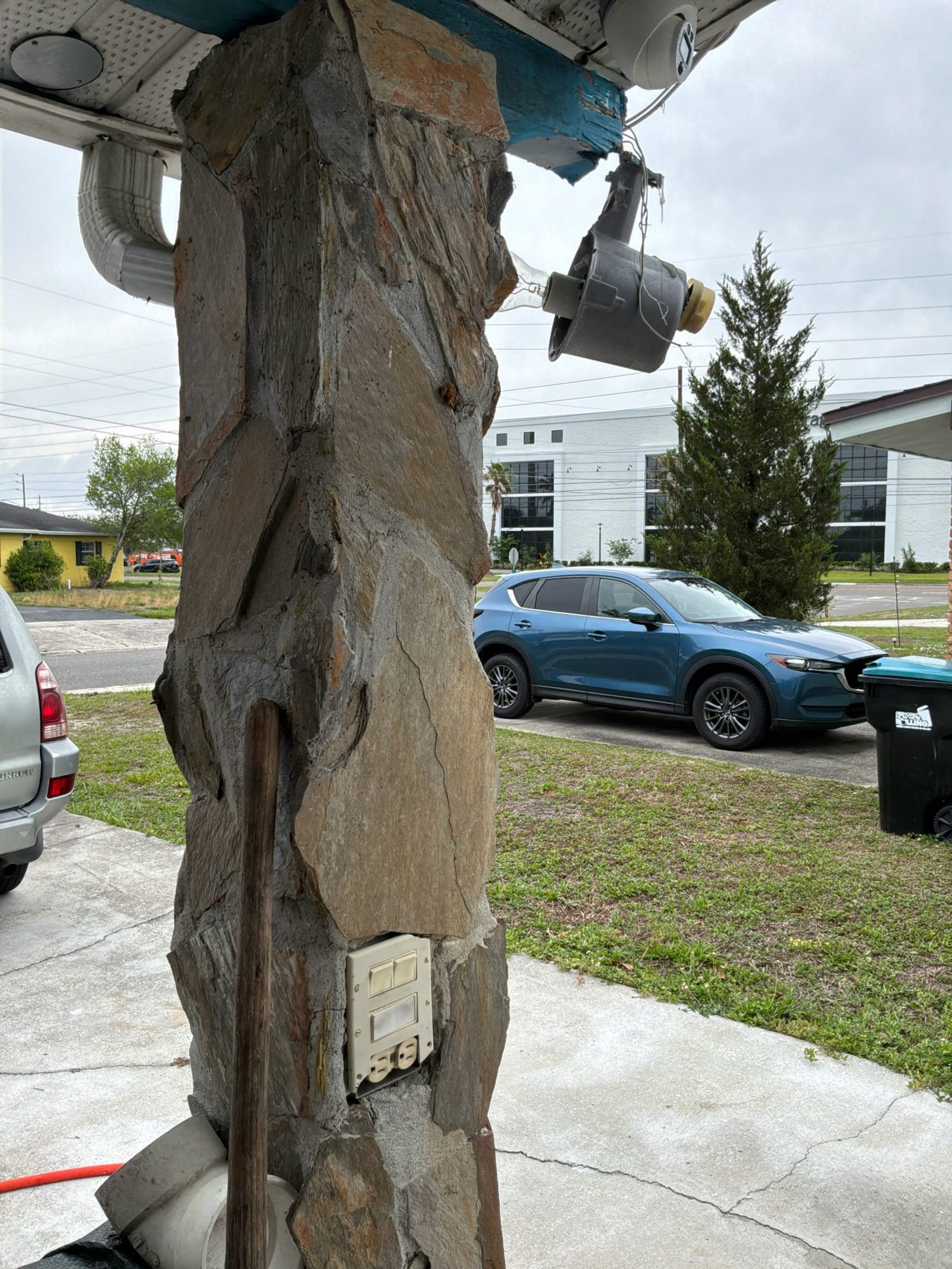
This Winter Park fixture repair case study walks through the real diagnosis, the fix, and the code details from a recent service call. A homeowner in Winter Park, FL reached out with an electrical issue they couldn’t quite pin down, something felt off, and they wanted answers. Our licensed field team came out, investigated the concern, and got the home’s electrical system working reliably again.
The Problem
The household had noticed something wasn’t right electrically, though the exact symptom was still unclear at the time of scheduling.
“There’s an electric issue going on, I’ll explain when the technician gets here.”
That kind of open-ended concern is actually one of the most common calls we receive. Sometimes a fixture flickers. Sometimes a switch stops responding. Sometimes it’s a combination of small things that together point to one underlying cause. Our team came prepared to listen, observe, and trace the issue back to its source.
Investigation
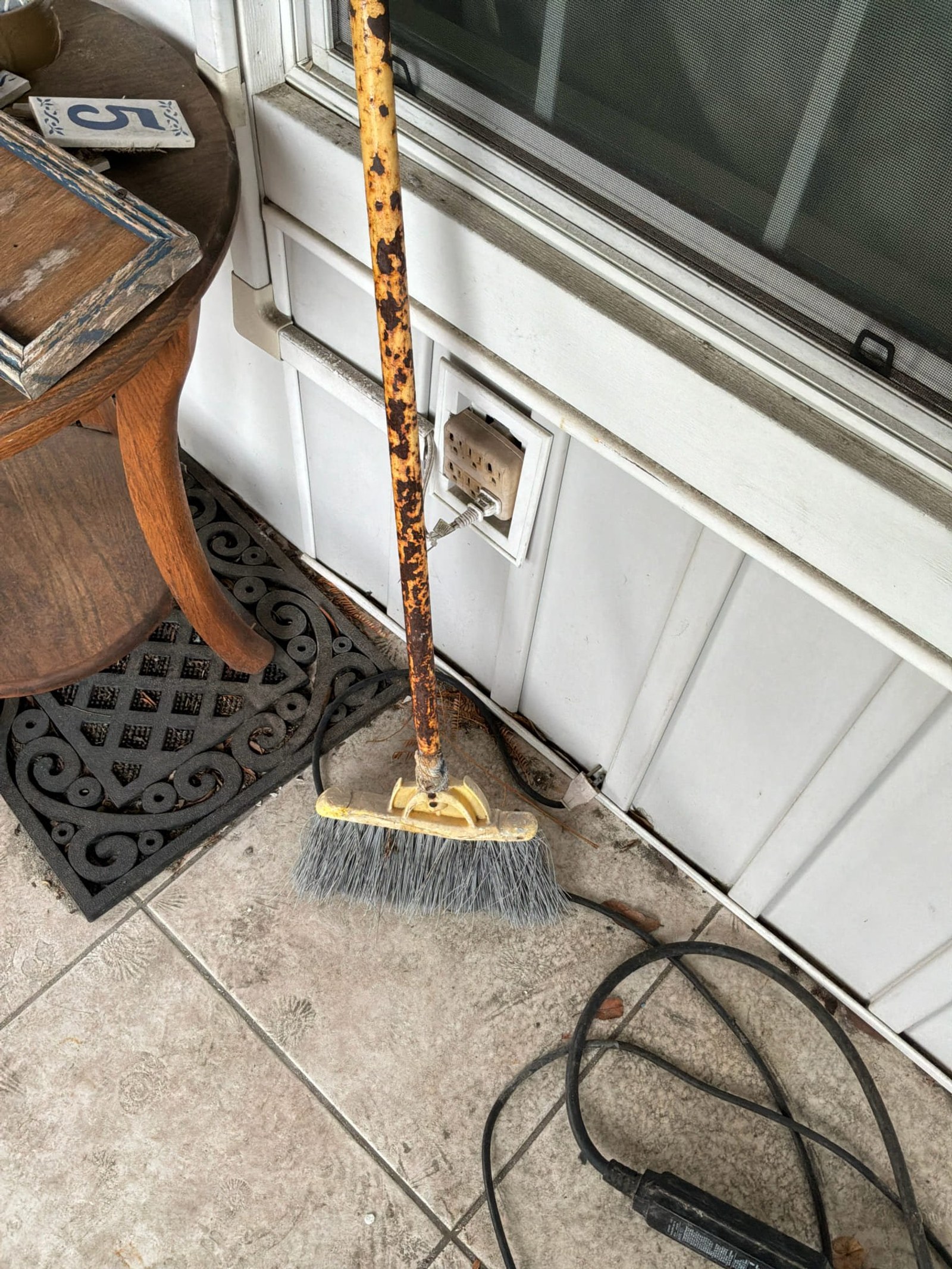
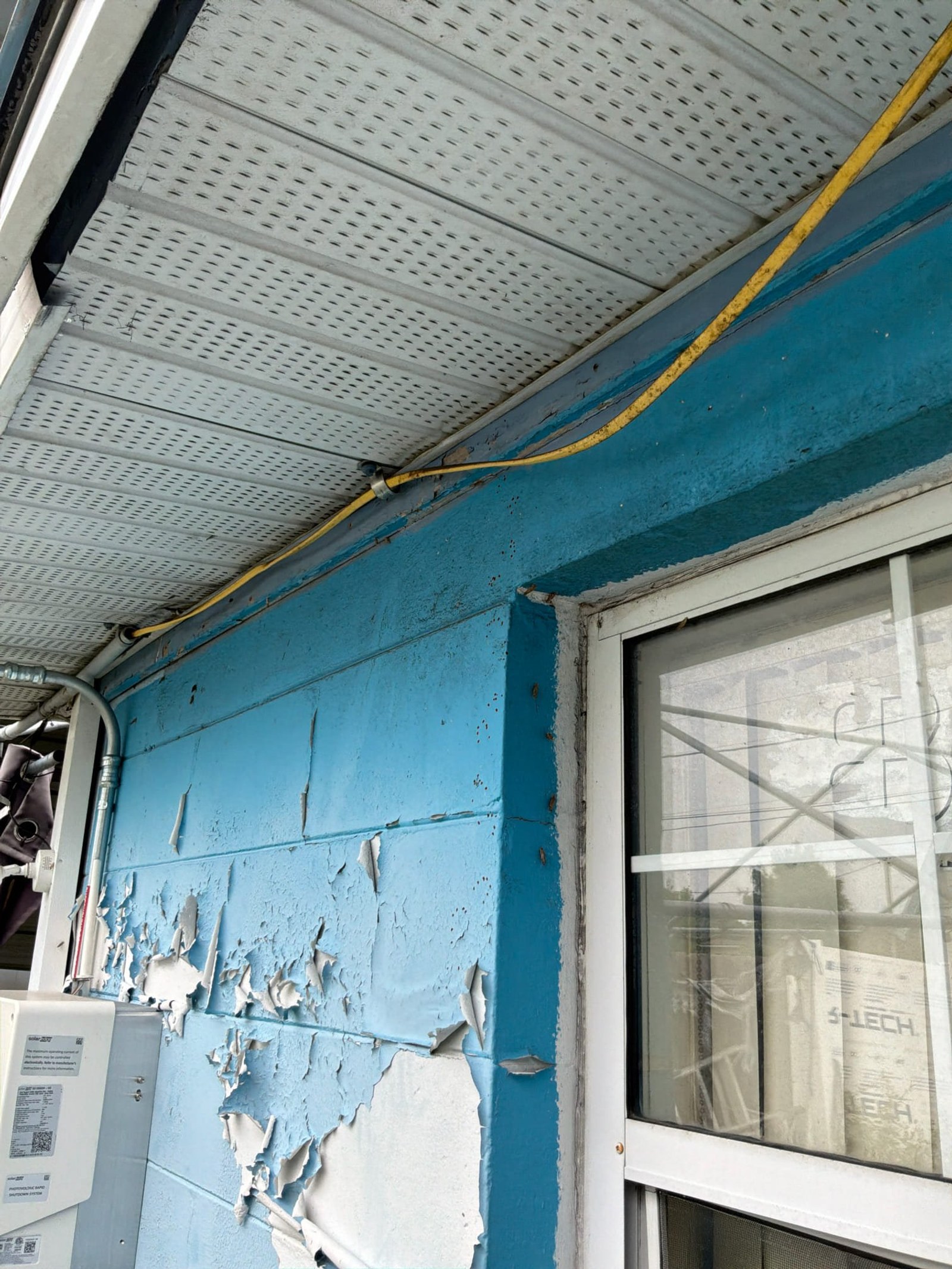
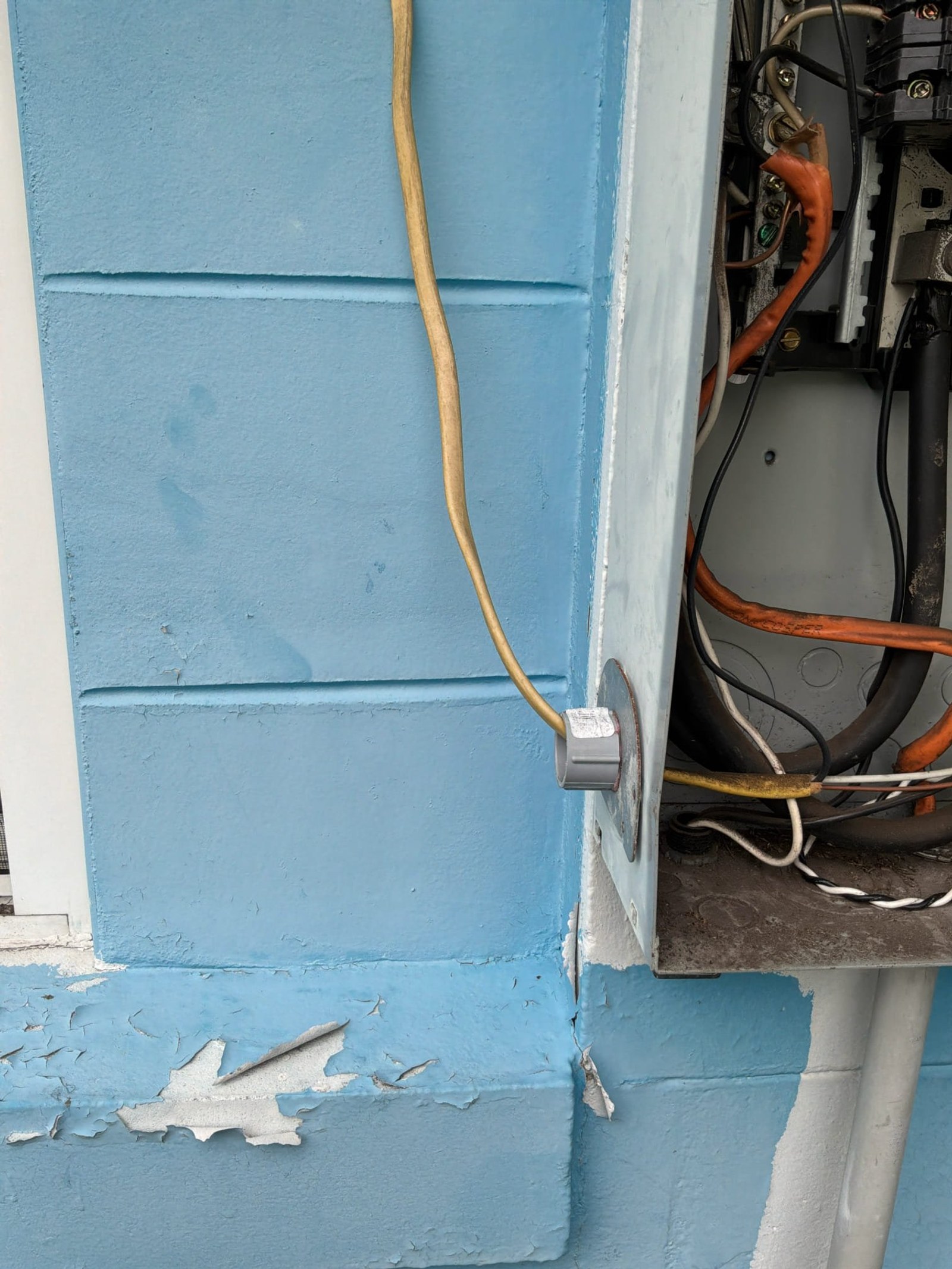
When our technician on-site arrived during the scheduled window, the first step was a careful walkthrough with the homeowner. Listening to exactly what the household had experienced (when it started, which rooms or fixtures were involved, and whether anything had changed recently) gave the team a focused starting point.
From there, the licensed electrician on site moved through a systematic check of the affected fixtures, connections, and the circuits feeding them. This kind of methodical approach matters. Electrical symptoms in fixtures can stem from several places: a loose connection at the device, a worn switch leg, a failing fixture socket, or a circuit that’s been quietly overloaded. Working through each possibility in order ensures nothing gets missed.
Additionally, the team reviewed the overall condition of the relevant circuits to make sure any findings were documented and the homeowner left with a clear picture of their system’s health.
What We Fixed
Based on the investigation, our field team addressed the fixture-level issue that was causing the reported problem. Connections were verified, the affected fixture was serviced, and the circuit was confirmed to be functioning correctly before the team wrapped up.
All work followed the 2020 NEC, the edition Florida enforces. Where receptacles or connections were accessed during the repair, our crew confirmed they met NEC 110.14 (B) terminal connection requirements, proper splicing and secure terminations that hold up over time. Correct torque was verified on any lug connections touched during the service, in line with NEC 110.14 (D).
Before leaving, the team walked the homeowner through exactly what was found and what was done, no guesswork, no surprises.
Why This Winter Park Fixture Repair Matters for Homeowners
Fixture issues have a way of starting small and becoming background noise in a busy household. A light that flickers gets tolerated. A switch that’s slightly slow to respond gets ignored. However, those small signals are often the home’s way of flagging a connection that deserves attention.
For a family in Winter Park, having reliable lighting and fixtures isn’t just a comfort issue, it’s a daily-life issue. Morning routines, evening meals, kids doing homework, weekend projects in the garage: all of it runs better when the home’s electrical system is quietly doing its job in the background.
Furthermore, addressing fixture and connection issues while they’re minor keeps the rest of the circuit in good shape. A secure, properly terminated connection means the circuit performs consistently, through Florida’s storm seasons, through years of cycling on and off, through whatever the household puts on it. That’s the kind of peace of mind that’s easy to take for granted once it’s in place.
Thomas Edison Electric holds Florida electrical contractor license EC13015487, and all residential work is performed by licensed electricians to the 2020 NEC standards Florida enforces.
Code Compliance Cited in This Job
Every fix above maps to a specific section of the 2020 NEC, the edition Florida enforces under the 8th Edition Florida Building Code. Florida adopts the 2023 edition of the NEC when the 9th Edition takes effect on December 31, 2026. Each card links to NFPA’s public NEC index.
Terminal Connections: Splices
NEC 110.14(B) requires that splices and terminations be made with devices rated for the conductor material and conditions of use. On this job, our team verified all fixture and circuit connections were properly spliced and secured, ensuring consistent contact and long-term reliability. NFPA reference ›
Torque Verification
NEC 110.14(D) requires that torque values be applied to listed terminals where torque values are specified. Our technician confirmed correct torque on all lug and terminal connections accessed during this fixture service, a step that prevents the kind of loose-connection issues that cause intermittent symptoms over time. NFPA reference ›
Replacement Receptacle Requirements
NEC 406.4(D) states that replacement receptacles in dwelling units must meet current code requirements, including GFCI and tamper-resistant protections where applicable. Where any receptacles were accessed or evaluated during this service call, our crew confirmed compliance with current standards. NFPA reference ›
Common Questions
Questions homeowners ask after seeing this kind of work.
What could cause an unexplained electrical issue in a home fixture?
Fixture issues most often trace back to one of a few causes: a loose or degraded connection at the device, a worn switch leg, a failing fixture socket, or a circuit that’s been carrying more load than it was designed for. A systematic walkthrough by a licensed electrician can usually identify the source quickly. If your home has something that just doesn’t feel right electrically, our team can schedule a same-day inspection to find the cause.
Is a flickering light always a fixture problem, or could it be something in the panel?
It can be either, or both. Flickering that affects one fixture usually points to a connection or device issue at that location. Flickering that affects multiple circuits or comes and goes with heavy loads may point further upstream toward the panel or service entrance. Either way, tracing it accurately is the right first step. Book a diagnostic visit and our field team will follow the symptom to its source.
How often should I have my home’s electrical system inspected?
Once a year is a solid baseline for most homes. Homes built before 1990 and homes that have come through recent storms may benefit from inspections more often, since older wiring systems and storm-related stress can create conditions worth catching early. An annual check keeps the household running smoothly and gives you a current picture of your system’s health. Schedule your yearly inspection online and we’ll take care of the rest.
Do I need to be home for an electrical fixture service call?
Yes, having someone present lets the technician hear exactly what the household has experienced, which speeds up the diagnostic process significantly. It also means we can walk you through the findings and answer questions before we leave. Ready to get on the calendar? Book online here and we’ll confirm a window that works for your schedule.
Are Winter Park electricians required to be licensed in Florida?
Yes. Florida requires all electrical contractors to hold a state-issued license. Thomas Edison Electric holds Florida electrical contractor license EC13015487, which you can verify directly through the Florida Department of Business and Professional Regulation. All work is performed to the 2020 NEC standards Florida enforces. If you’d like to confirm credentials before booking, feel free to reach out through our contact page.
Want to see more real jobs like this one? Browse our completed case studies or explore our services.