Before & After
 BeforeAfter
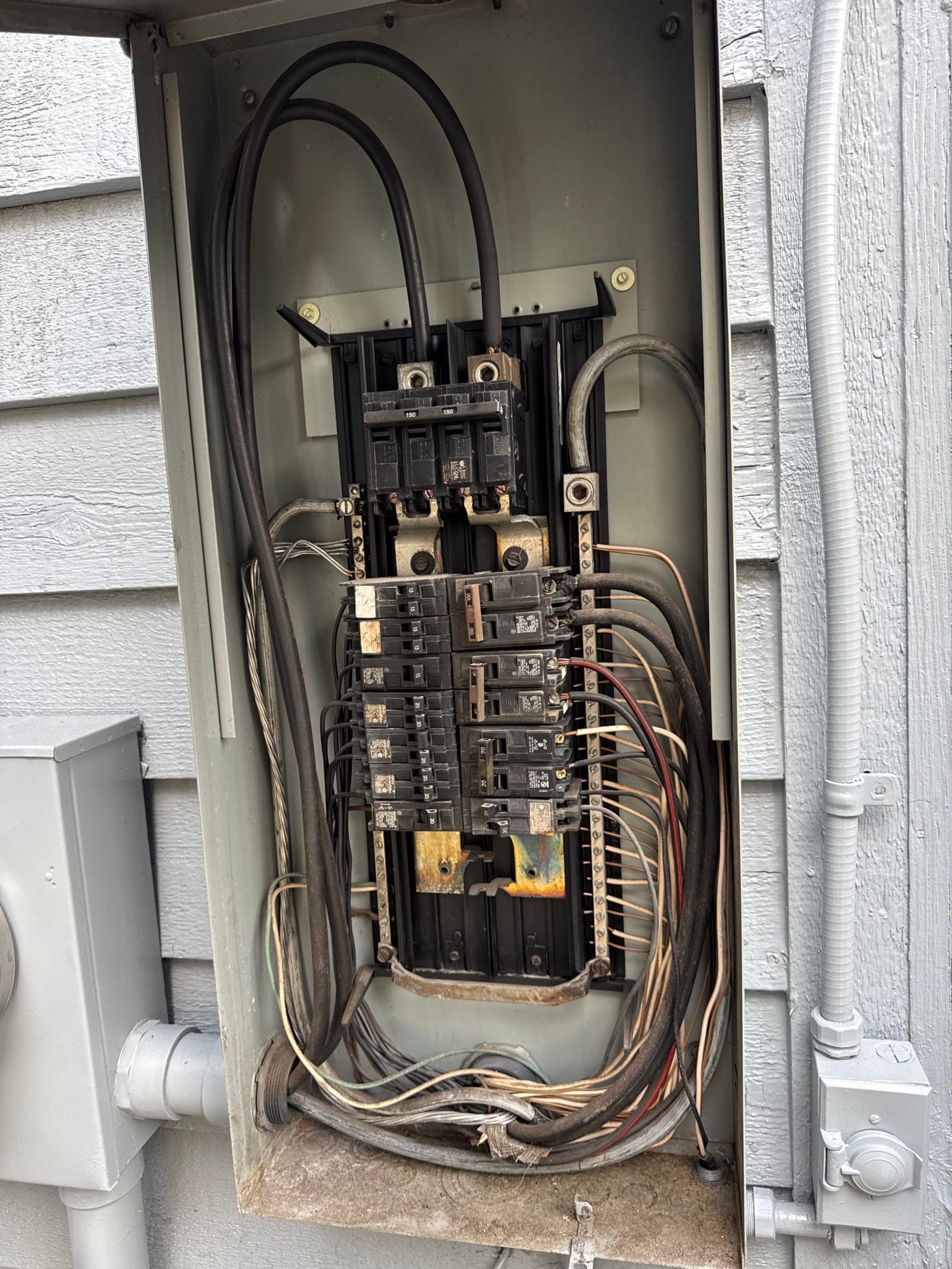
This Altamonte Springs outdoor outlet replacement case study walks through the real diagnosis, the fix, and the code details from a recent service call. A homeowner in Altamonte Springs, FL called us about a loose outlet on the exterior of their home and wanted a new outlet added inside a room. Our field team arrived, assessed both locations, and walked away having replaced the outdoor receptacle with a weatherproof, tamper-resistant GFCI unit and added a properly boxed tamper-resistant outlet indoors.
The Problem
The homeowner had two clear goals for the visit.
“The outlet on the outside of the house is loose. I also need an electrical outlet added in a room inside.”
A loose exterior outlet is worth addressing promptly. Outdoor receptacles handle weather exposure year-round, and a loose connection is an opportunity to bring that outlet up to current standards before Florida’s humidity and rain cycles do any further work on aging contacts.
Investigation
Our technician on-site examined the existing exterior outlet and its enclosure. The photos from the visit show weathered, aged equipment on the exterior wall, along with corrosion on the terminations and enclosure. There was also evidence of water finding its way into the enclosure over time. This kind of moisture intrusion is consistent with exterior outlets that have been in place for many years without an in-use rated weatherproof cover.
For context, older exterior outlets were often installed with standard covers that were only rated for protection when nothing was plugged in. Current code now calls for “in-use” covers that protect the receptacle even with a cord inserted. That is exactly the kind of update this location needed.
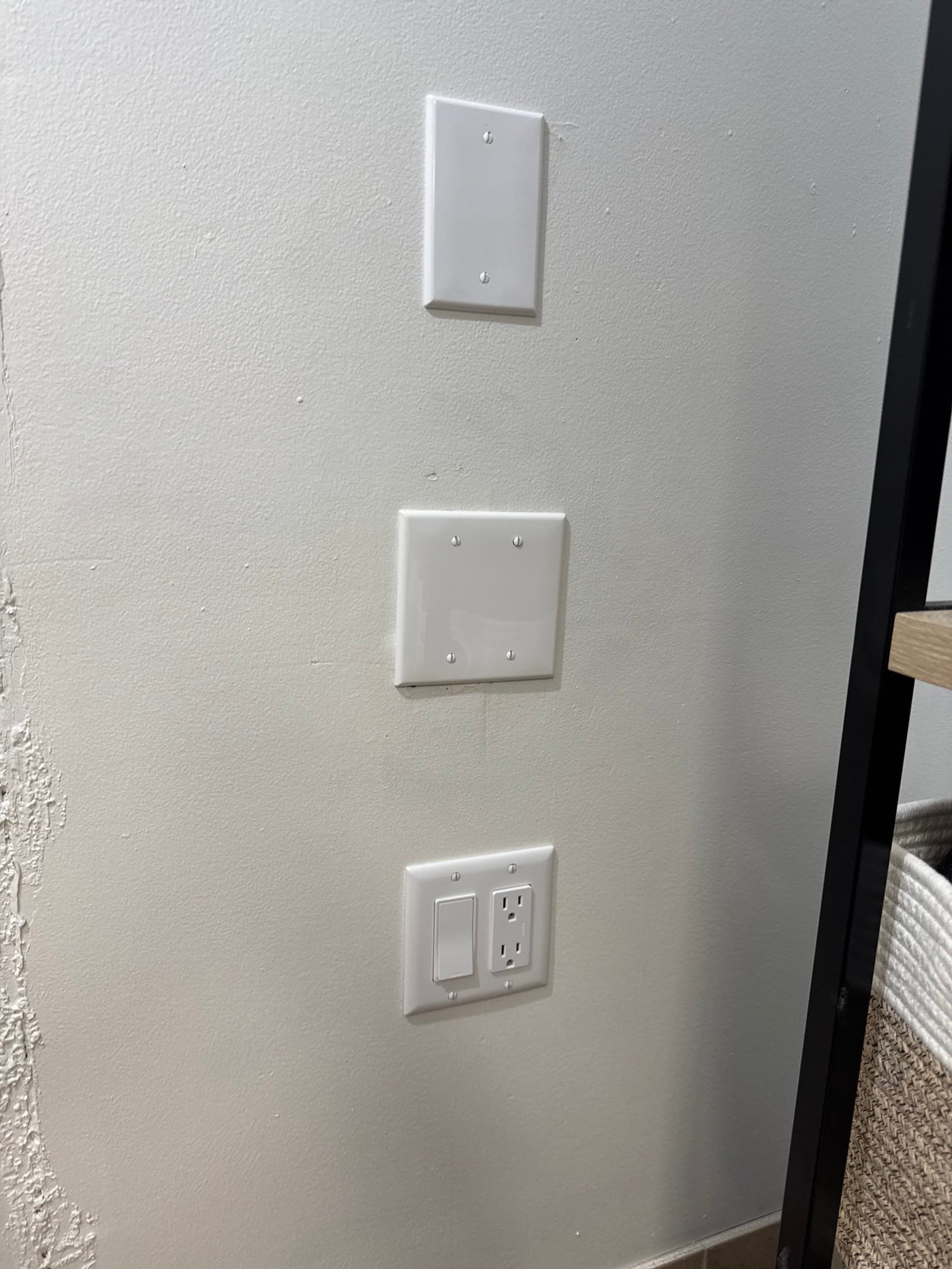
Indoors, the team identified the best location to add the new outlet, confirmed a suitable circuit was accessible, and planned the work to minimize disruption to the drywall.
What We Fixed
Exterior Outlet Replacement
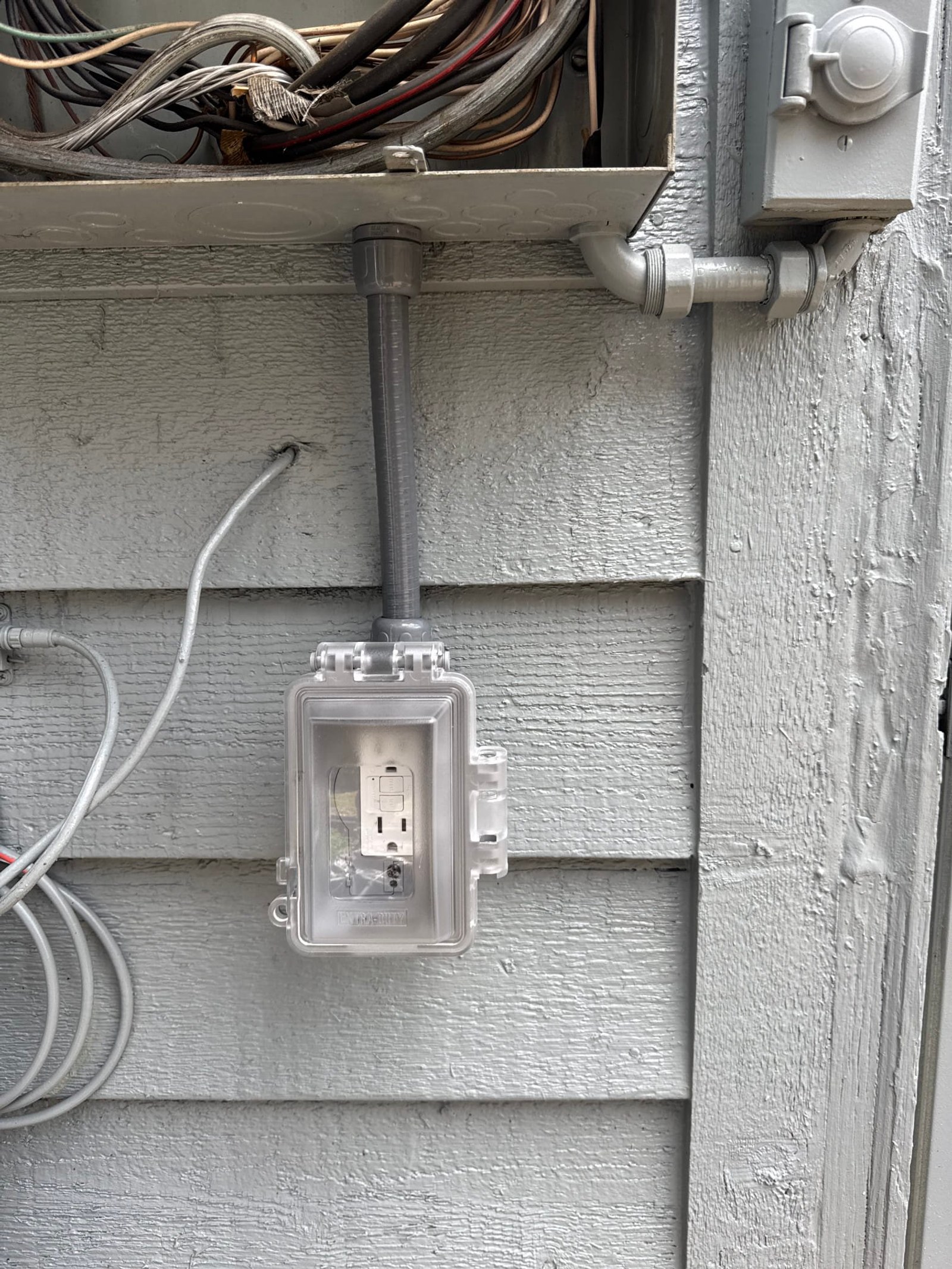
The team removed the old, loose exterior receptacle and its housing. In its place, they installed a Pass & Seymour 15A 125V self-test tamper-resistant weather-resistant GFCI outlet in a new PVC weatherproof single-gang box, finished with a weatherproof in-use cover. The result is visible in the after photos: a clean, protected exterior wall outlet ready for Florida weather.
The self-test feature on this GFCI unit runs periodic internal checks automatically, so the homeowner does not need to remember to press the test button to confirm the protection is active.
Indoor Outlet Addition
For the new indoor outlet, the crew installed a Pass & Seymour two-gang old-work remodeler box in the wall, which allows a clean installation without requiring full drywall replacement. Into that box they installed a tamper-resistant 15A duplex receptacle alongside a single-pole decorator-style switch, each finished with matching white semi-gloss metal cover plates. The tamper-resistant design means the outlet meets current NEC requirements for dwelling units, an important detail for any home where children spend time.
Why This Altamonte Springs Panel Upgrade Matters for Homeowners
Exterior outlets in Central Florida handle more stress than most homeowners realize. Summer rain, afternoon thunderstorms, and year-round humidity all work on outdoor electrical equipment over time. Replacing an aging, loose exterior outlet with a GFCI unit rated for wet and in-use conditions means the family can plug in holiday lights, a power tool, or a phone charger outside without a second thought, through every season.
Indoors, adding a properly wired outlet in the right spot removes the kind of daily friction that builds up quietly: extension cords run across the floor, power strips stacked in a corner, devices left uncharged because the nearest outlet is in an inconvenient spot. With the new outlet in place, the household’s daily routine simply works better.
Finally, tamper-resistant receptacles are now the standard for all dwelling-unit outlets under current NEC guidelines. Every outlet our team installs or replaces meets that standard, so there is one less item on the homeowner’s mental checklist.
“George was very polite and knowledgeable. He walked me through all the process and gave me multiple options to successfully complete the job. 5 stars for going above and beyond.”
Code Compliance Cited in This Job
Every fix above maps to a specific section of NEC 2020. Each card links to NFPA’s public NEC index.
GFCI Protection for Personnel
NEC 210.8 requires GFCI protection for receptacles in outdoor locations of dwelling units. On this job, the existing exterior outlet lacked a code-compliant GFCI device. Replacing it with a self-test tamper-resistant weather-resistant GFCI receptacle brings the location in line with current requirements. NFPA reference ›
Tamper-Resistant Receptacles in Dwellings
NEC 406.12 requires tamper-resistant receptacles throughout dwelling units. Both the replacement outdoor GFCI and the new indoor duplex receptacle installed on this job are tamper-resistant, satisfying this requirement for the affected locations. NFPA reference ›
Replacement Receptacle Requirements
NEC 406.4(D) states that replacement receptacles must meet current code requirements for the location. Replacing the old exterior outlet with a GFCI-type, tamper-resistant, weather-resistant receptacle reflects exactly what this section calls for when an outdated device is swapped out. NFPA reference ›
Receptacle Outlet Placement in Dwellings
NEC 210.52 establishes where receptacle outlets must be placed in living spaces so that no point along a wall is more than six feet from an outlet. Adding the new indoor receptacle helps the room meet this spacing standard, giving the homeowner convenient access without relying on extension cords. NFPA reference ›
Common Questions
Questions homeowners ask after seeing this kind of work.
Why does an outdoor outlet need to be a GFCI receptacle?
Outdoor receptacles are exposed to rain, humidity, and moisture in ways that interior outlets are not. A GFCI device monitors the current flowing through the circuit and responds quickly if it detects an imbalance, adding a layer of protection well-suited to wet locations. Current NEC 210.8 requirements reflect this by calling for GFCI protection at all outdoor dwelling-unit receptacles. If your exterior outlets are older and do not have GFCI protection, it is worth having a licensed electrician take a look. Schedule online and we can assess them on a visit that works for your schedule.
What is a tamper-resistant receptacle and do I need them throughout my home?
Tamper-resistant receptacles have internal shutters that only open when equal pressure is applied to both slots simultaneously, which prevents objects from being inserted into a single slot. NEC 406.12 has required them in all new and replacement dwelling-unit receptacles since the 2008 code cycle, so most homes built or updated after that point already have them. If your home has older outlets that were installed before that requirement, replacing them during any repair or renovation is a straightforward way to bring those locations up to current standards. Book a quick inspection if you would like us to identify which outlets in your home are still the older style.
Can a new outlet be added to a room without tearing open a lot of drywall?
In most cases, yes. Old-work remodeler boxes are designed specifically for finished walls and require only a single cutout sized to the box. The electrician fishes wire to the new location and secures the box in place without opening the entire wall cavity. Some routing situations do require a small additional access point, and patching any drywall is a separate step, but a skilled field team can typically keep the disruption to a minimum. Schedule online to talk through what adding an outlet in your specific room would involve.
How often should I have my home’s electrical outlets inspected?
A yearly inspection is a solid baseline for most households. Homes built before 1990 and homes that have come through recent storms may benefit from having an electrician check in more often, since older wiring and moisture intrusion can both affect outlet performance over time. An annual visit lets the team catch loose connections, worn devices, or missing GFCI protection before they become an inconvenience. Schedule online to get a yearly inspection on the calendar.
What should I do if an outdoor outlet cover looks weathered or the outlet feels loose?
A loose exterior outlet or a cracked weatherproof cover is a signal that the device and housing have reached the end of their service life. Florida’s heat and humidity cycles accelerate wear on outdoor electrical equipment, and an outlet that moves when a cord is inserted can develop connection issues over time. The straightforward fix is to replace the receptacle, box, and cover as a unit so everything meets current in-use weatherproof standards. If your exterior outlets are showing those signs, our team can book a same-day or next-available visit to assess and replace them.
Want to see more real jobs like this one? Browse our completed case studies, explore our services. Ready to book a visit of your own? Contact our Lake Mary office.