Before & After
 BeforeAfter
This Orlando outlet replacement case study walks through the real diagnosis, the fix, and the code details from a recent service call. A homeowner in Orlando, FL (ZIP 32811) called after an outlet showed visible signs of thermal stress. Our field team replaced the damaged receptacle, installed a new device box, and added a PSP Vortex whole-home surge protector at the panel. A full visual inspection confirmed the rest of the system was in good shape.
The Problem
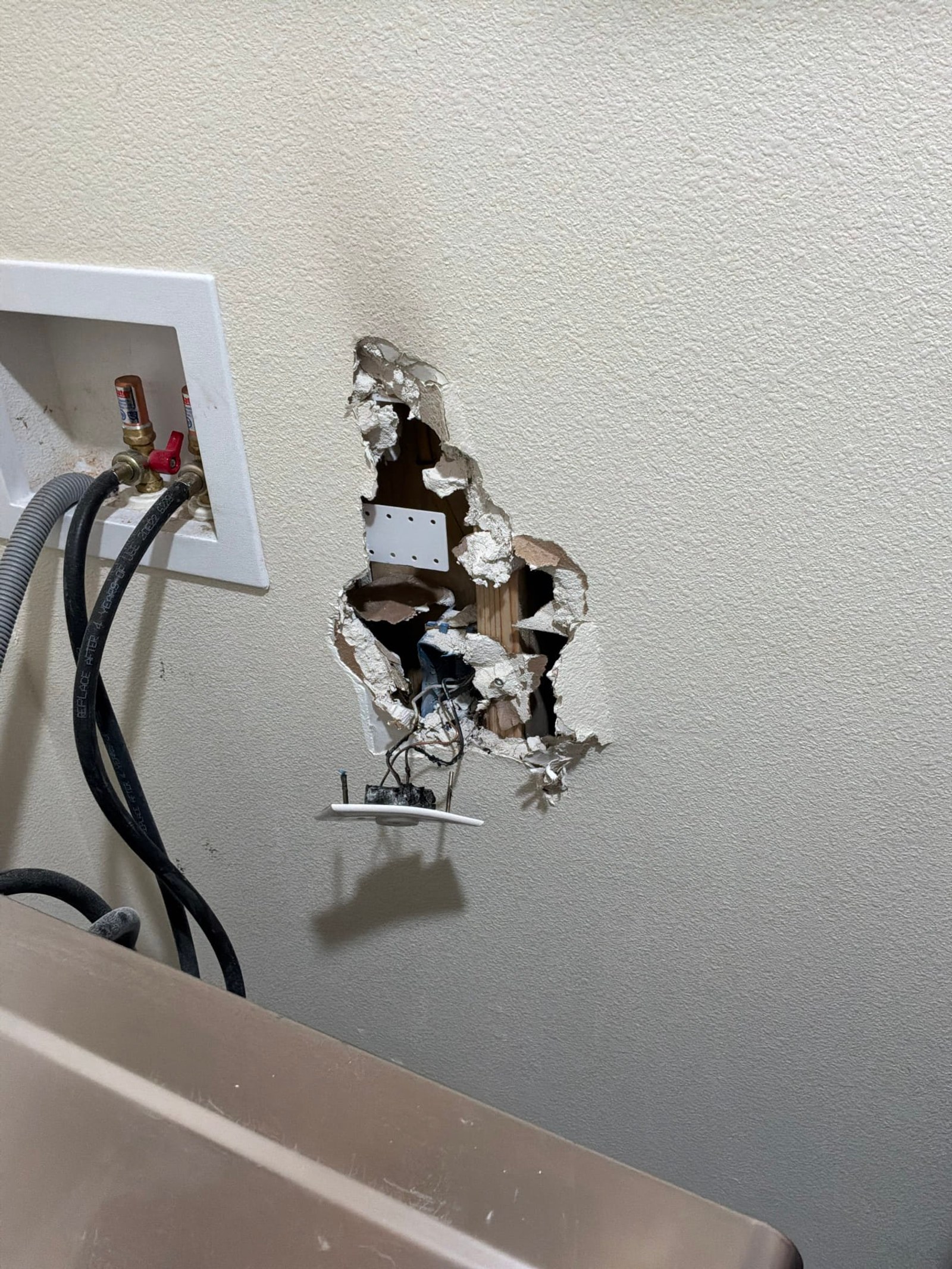
The homeowner noticed something alarming at one of the outlets in the home. Scorch marks and a burned smell made it clear the receptacle had experienced significant thermal stress. No structural damage occurred, but the outlet itself was no longer serviceable.
“It came from the outlet. Nothing else was damaged, but I knew I needed it replaced right away.”
The homeowner reached out, and our crew scheduled a same-day visit.
Investigation
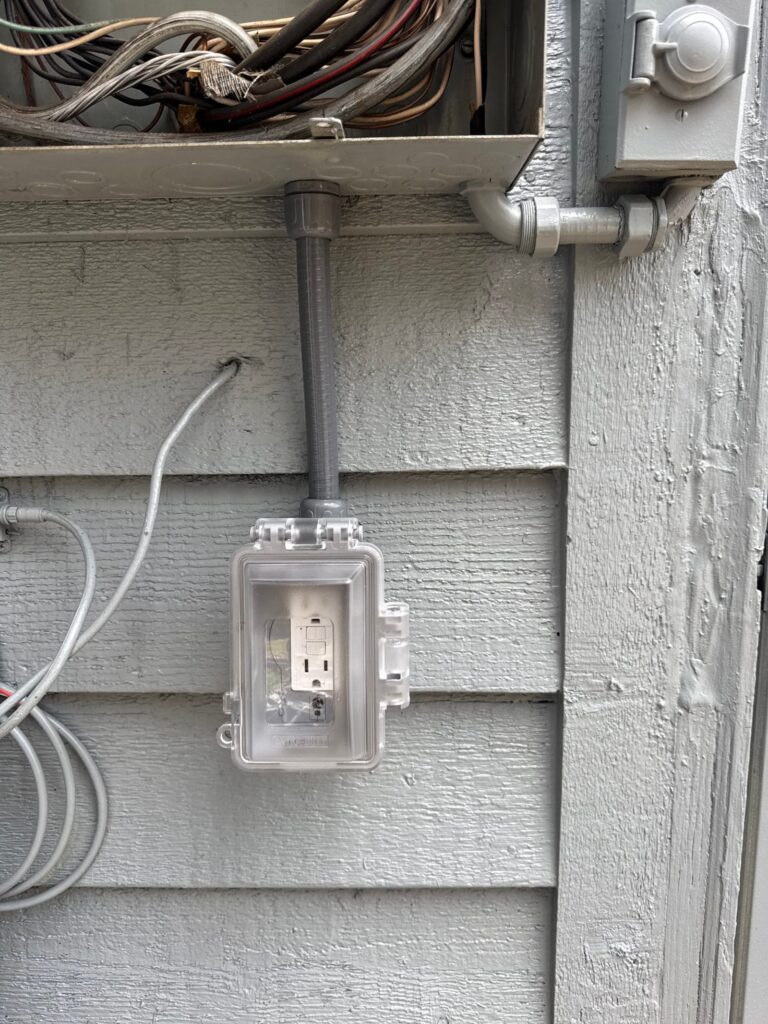
When our technician arrived, the outlet area was already open. The before photo showed a device box with a drywall rough-in opening, the cover plate missing, and a conductor sitting outside its protective raceway. That kind of open installation is worth addressing promptly: current code asks that all conductors be properly contained and all boxes covered whenever a circuit is accessible.
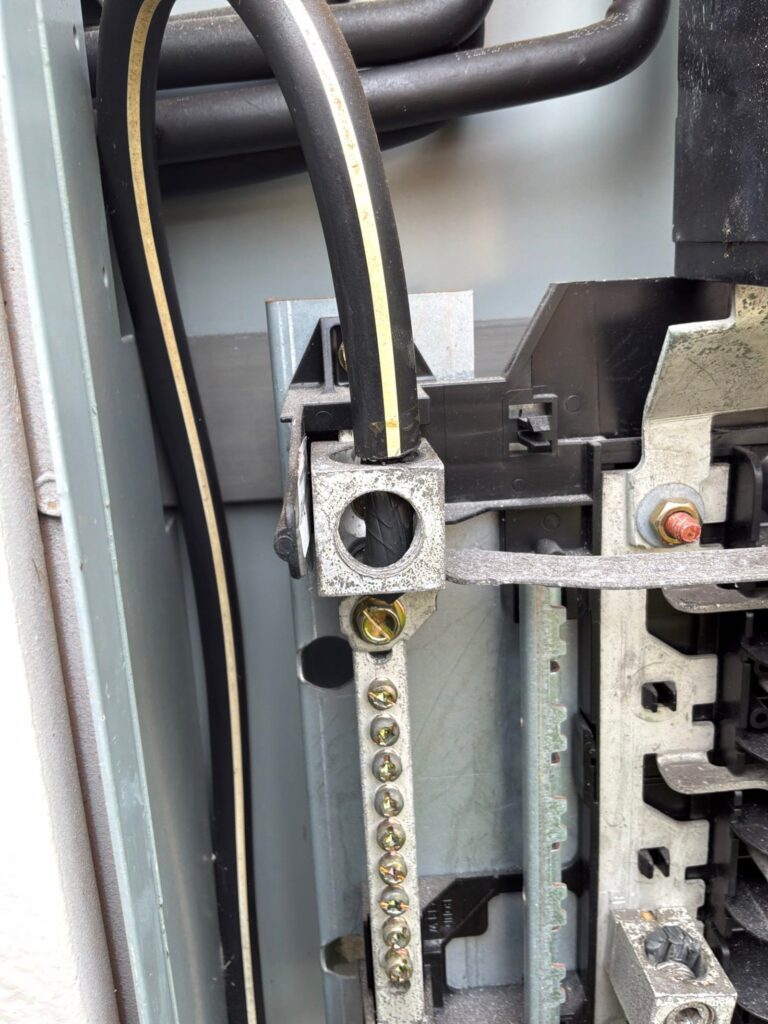
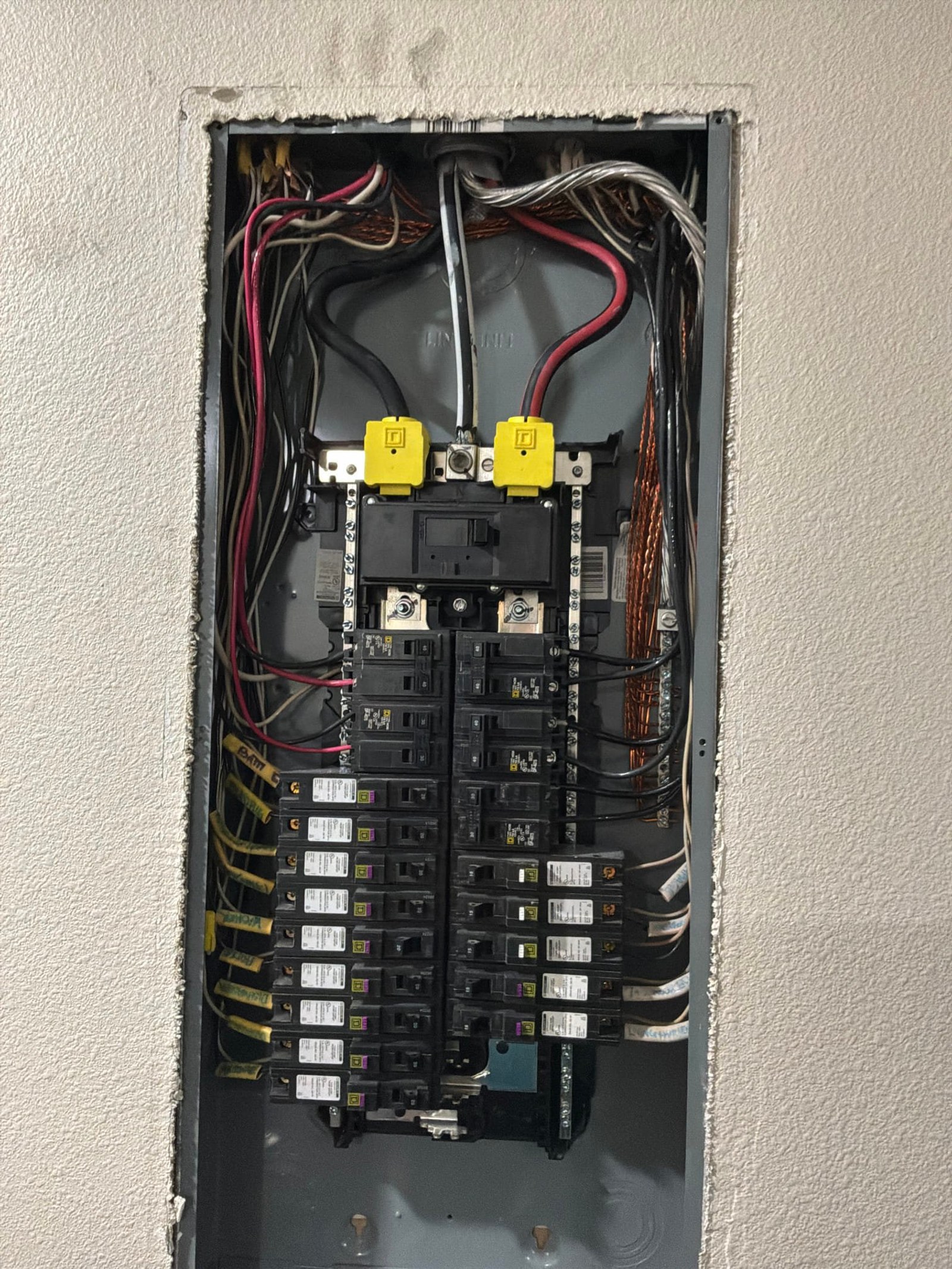
The field team also reviewed the panel. The interior photo showed the Square D QO 200-amp service with multiple breakers, red and black conductors, and yellow wire nuts visible. Some wiring from earlier work had been left in place. That condition is common in homes that have had prior electrical work done over the years. It does not affect circuit performance, but a tidy panel makes future service easier and reflects good practice.
One finding came up during the inspection checklist: the home had no whole-home surge protection. Every other item on the checklist came back green. Neutrals and grounds were properly separated, breakers were correctly sized, GFCI protection was present in required areas, and the grounding system was up to code. The panel itself was in solid condition.
The Outlet Itself
The damaged receptacle was a standard outlet that had seen significant wear from repeated thermal cycling. Over time, heat buildup at a connection point can accelerate the degradation of the device itself. Replacing the outlet and box was the right next step to restore normal, reliable operation to that circuit.
What the Surge Inspection Revealed
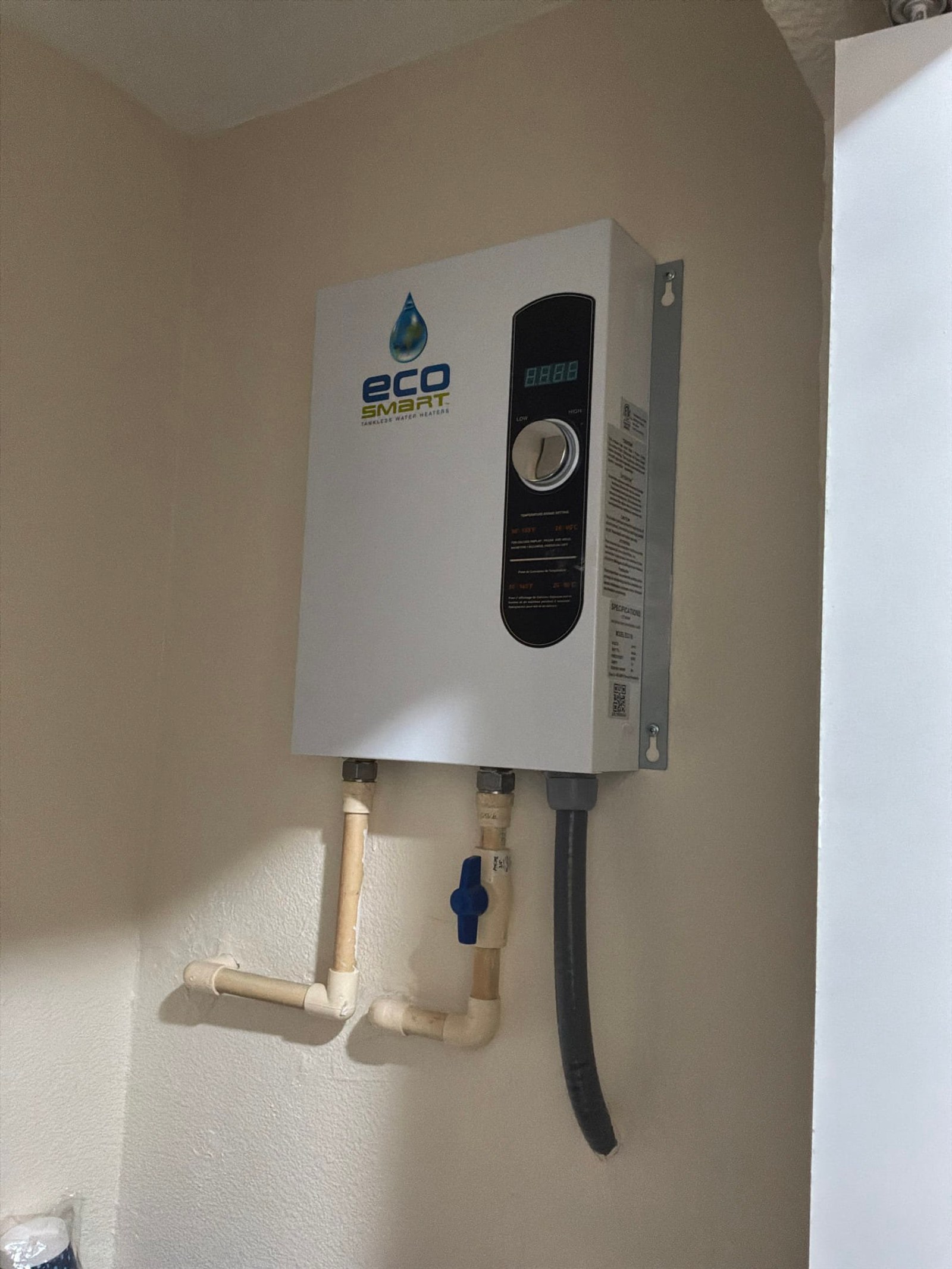
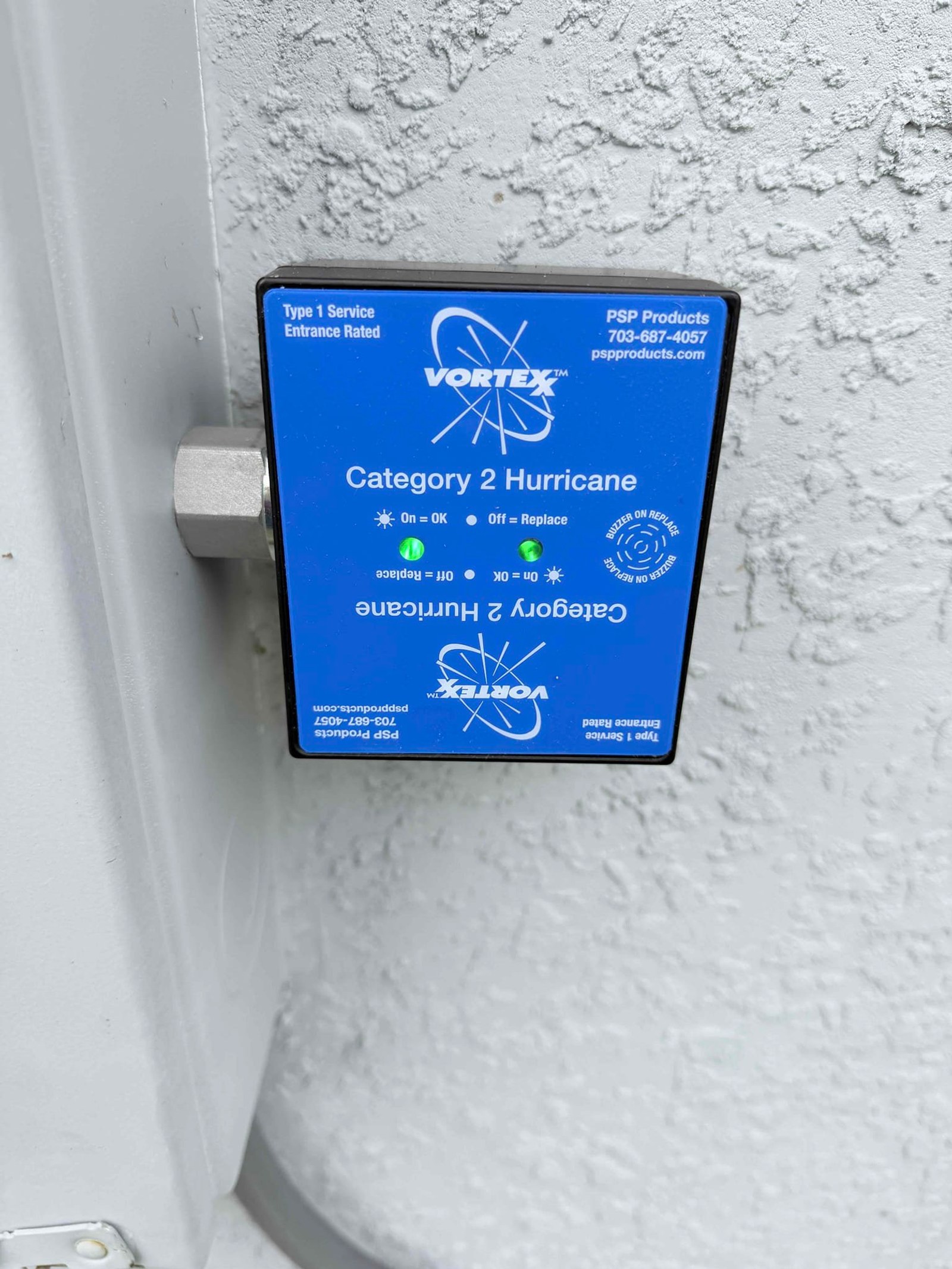
The standalone photo of the PSP Vortex nameplate confirmed it as a Type 1 service entrance-rated device, rated for Category 2 hurricane conditions. Homes in Central Florida see frequent voltage spikes from afternoon thunderstorms. Without a whole-home surge protector installed at the panel, all circuits including the EcoSmart tankless water heater visible in the after photos are exposed to those transient events every storm season.
What We Fixed
Our crew replaced the damaged outlet with a Pass & Seymour 5851-W heavy-duty spec-grade single receptacle, rated 20A at 250V. This is a side-wired, screw-terminal device, which provides a more durable and reliable connection than the spring-contact backstabbing method common in older installations. A new single-gang 18 cubic inch old-work device box was installed to house the receptacle correctly and bring the rough-in opening up to a properly enclosed condition.
Additionally, our team installed a PSP Vortex 120 kA whole-home surge protector at the Square D QO 200-amp panel. The device mounts directly at the service panel and covers every circuit in the home. Under NEC 230.67, surge protective devices are now required at the service of new dwelling units. For existing homes, adding one is a straightforward upgrade that pays for itself in protection for every appliance and electronic device on the premises.
Why This Orlando Panel Upgrade Matters for Homeowners
An outlet that has experienced thermal stress is not something to put off. The good news in this case: the damage was contained, no other circuits were affected, and the repair was straightforward. For the family in this home, getting the outlet back in service meant the household routine could continue without interruption.
The surge protector adds a layer of reliability that makes a real difference, especially for families in Central Florida. When a summer storm rolls through and the grid fluctuates, a whole-home device like the PSP Vortex means the tankless water heater, the refrigerator, the TV, and every other appliance keeps running normally. There is nothing to reset and nothing to worry about. The home just keeps working the way the household expects it to, through every storm and every season.
For homeowners in similar situations, it is also worth knowing that a full visual panel inspection takes just a few minutes during any service call. In this case, the inspection confirmed a clean bill of health across the board, which is exactly the kind of peace of mind that makes a service visit worthwhile beyond the repair itself.
Code Compliance Cited in This Job
Every fix above maps to a specific section of NEC 2020. Each card links to NFPA’s public NEC index.
Electrical Connections
NEC 110.14(B) requires that splices and connections be made with listed devices and that conductors be properly terminated. On this job, the damaged receptacle showed signs of thermal stress at the connection point. Replacing it with a side-wired, screw-terminal spec-grade device ensures a durable, code-compliant termination going forward. NFPA reference ›
Surge Protective Devices at Services
NEC 230.67 now requires surge protective devices at the service entrance of new dwelling units. This home’s inspection flagged the absence of whole-home surge protection. Installing the PSP Vortex 120 kA Type 1 device at the Square D QO panel addresses this requirement and protects every circuit in the home from transient voltage events. NFPA reference ›
Type 2 SPD Installation
NEC 285.25 governs the installation requirements for Type 2 surge protective devices connected at distribution panels. The PSP Vortex installed at this home’s panel was wired and mounted in accordance with these provisions, ensuring the device operates as intended and that all branch circuits receive the benefit of surge suppression. NFPA reference ›
Receptacle Replacement Requirements
NEC 406.4(D) requires that when a receptacle is replaced, it must meet current code requirements. On this job, the damaged outlet was replaced with a heavy-duty spec-grade device using proper screw-terminal side wiring, consistent with current standards for receptacle replacement in dwelling units. NFPA reference ›
Common Questions
Questions homeowners ask after seeing this kind of work.
What causes an outlet to show signs of thermal stress?
Thermal stress at an outlet typically results from a loose or high-resistance connection at the terminal, which causes heat to build up over time with repeated use. Older spring-contact backstabbed wiring and worn receptacles are common contributors, especially in homes that have not had their outlets inspected in several years. Replacing the outlet and verifying the wiring connections restores the circuit to reliable operation. If you have noticed warmth, discoloration, or a burning smell near any outlet in your home, our team can schedule a same-day inspection to check it out.
Do I need a whole-home surge protector if I already use power strips?
Power strips provide limited, point-of-use protection for the devices plugged directly into them. They do not protect appliances like your water heater, HVAC system, refrigerator, or any hardwired electronics. A whole-home surge protector installed at the service panel covers every circuit in the home simultaneously, which is especially valuable in Central Florida where afternoon thunderstorms are a regular occurrence. If your panel does not yet have one, it is a straightforward addition. Book a consultation and we can walk you through the options.
How often should I have my home’s electrical system inspected?
A yearly inspection is a solid baseline for most households. Homes built before 1990 and homes that have been through recent storm activity may benefit from inspections more often, since older wiring methods and weather-related voltage events can accelerate wear on outlets, connections, and panel components. An annual check-in gives you an up-to-date picture of everything in the system. Schedule your inspection online and our licensed team will take care of the rest.
Is a 20-amp receptacle the right replacement for a standard household outlet?
It depends on the circuit. A 20-amp receptacle is appropriate when the branch circuit itself is wired with 12-gauge conductors and protected by a 20-amp breaker, which is common in kitchens, laundry areas, and utility spaces. Matching the receptacle rating to the circuit rating ensures the device performs reliably under the loads it will see. Our technician on-site verifies the circuit before selecting the replacement device. If you are unsure about the outlets in your home, reach out to schedule a check and we will clarify what you have.
What should I do immediately after an outlet shows signs of burning or scorching?
Stop using the outlet right away and avoid plugging anything else into it. If the circuit breaker for that outlet is accessible, turn it off until a licensed electrician can assess the wiring. Do not attempt to replace the outlet yourself without confirming the circuit is de-energized and understanding what caused the original issue. In most cases, the repair is quick and straightforward once a technician evaluates the box and connections. Schedule a same-day visit so our crew can get it sorted out for you.
Want to see more real jobs like this one? Browse our completed case studies, explore our services. Ready to book a visit of your own? Contact our Lake Mary office.