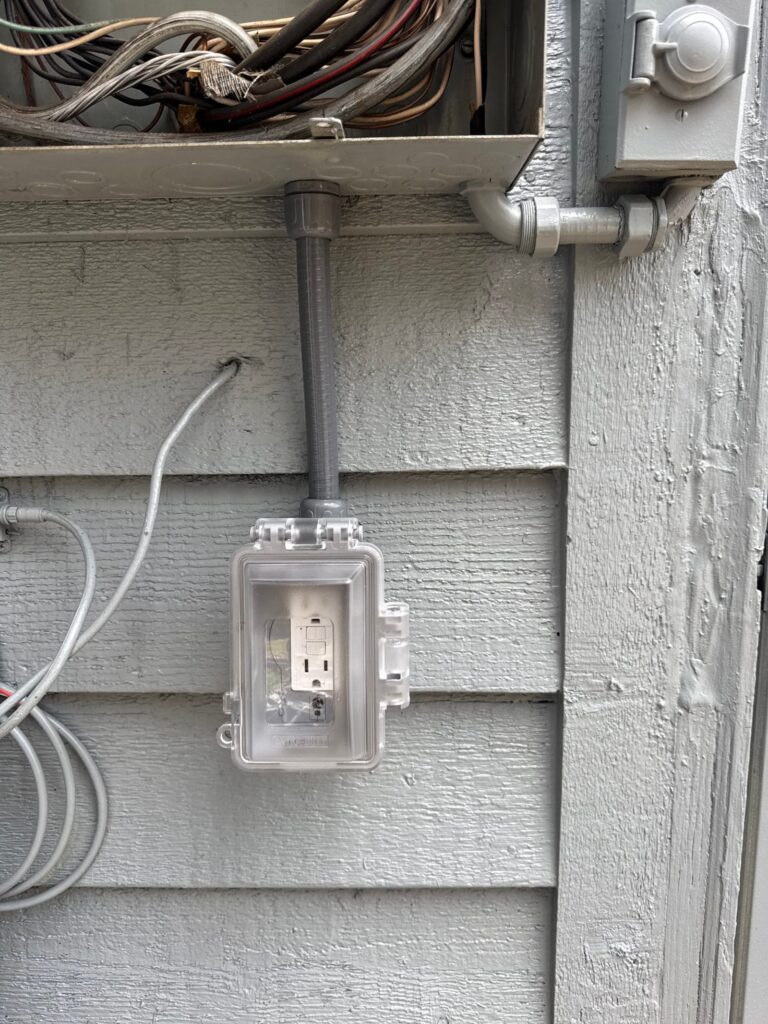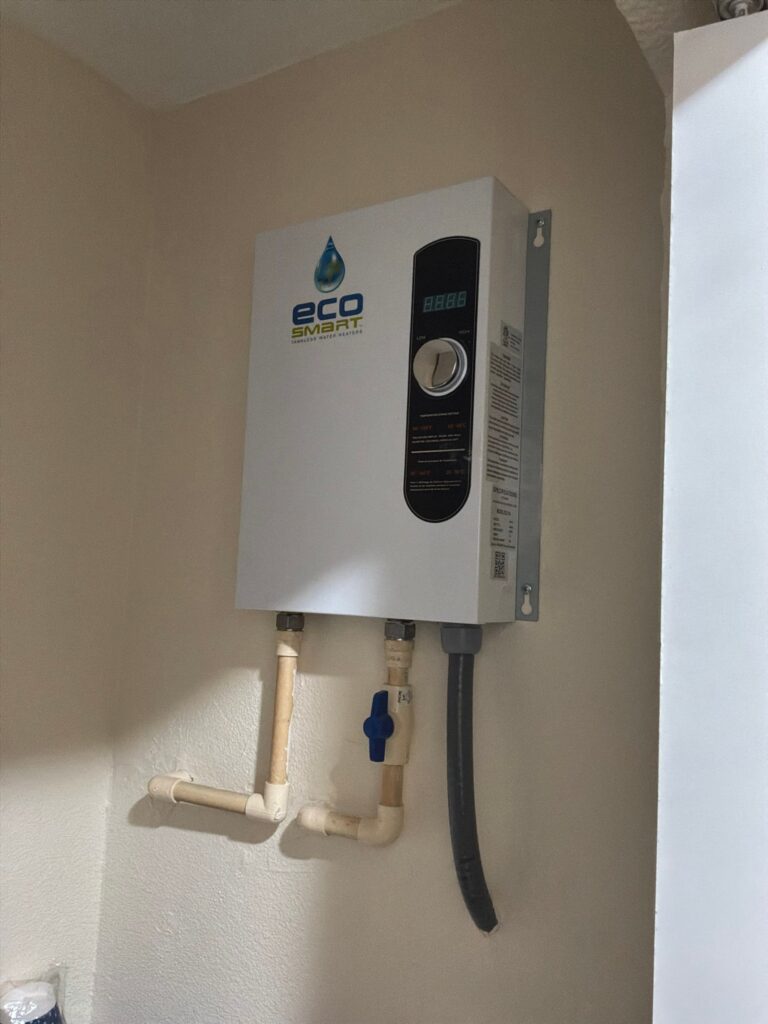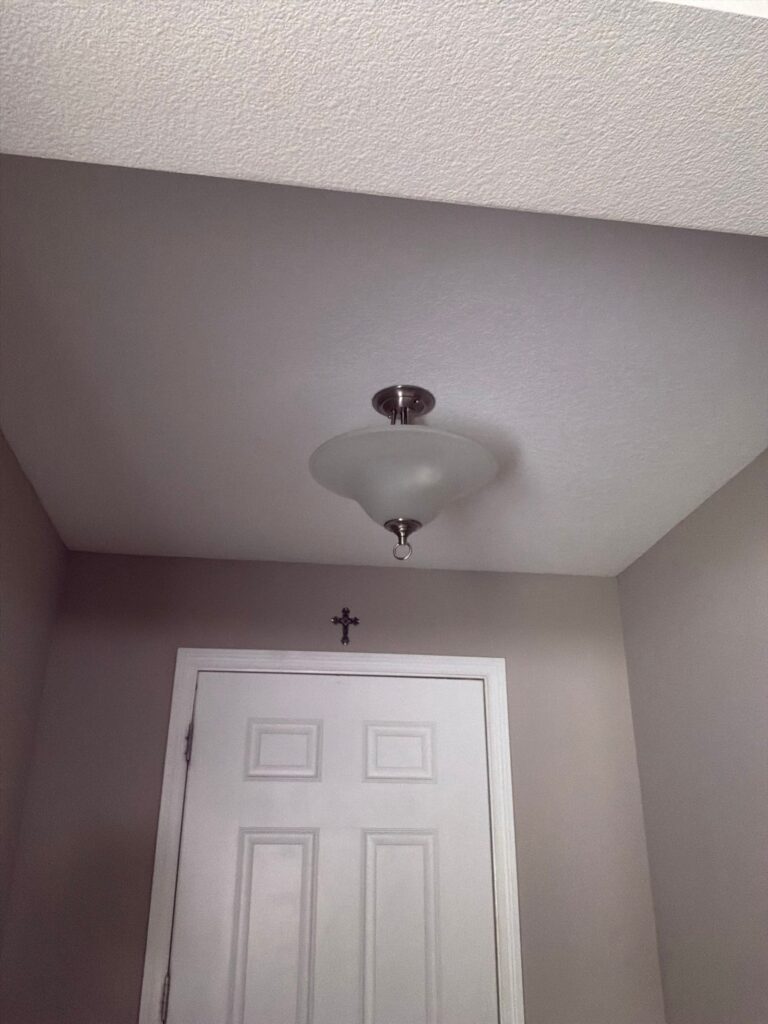
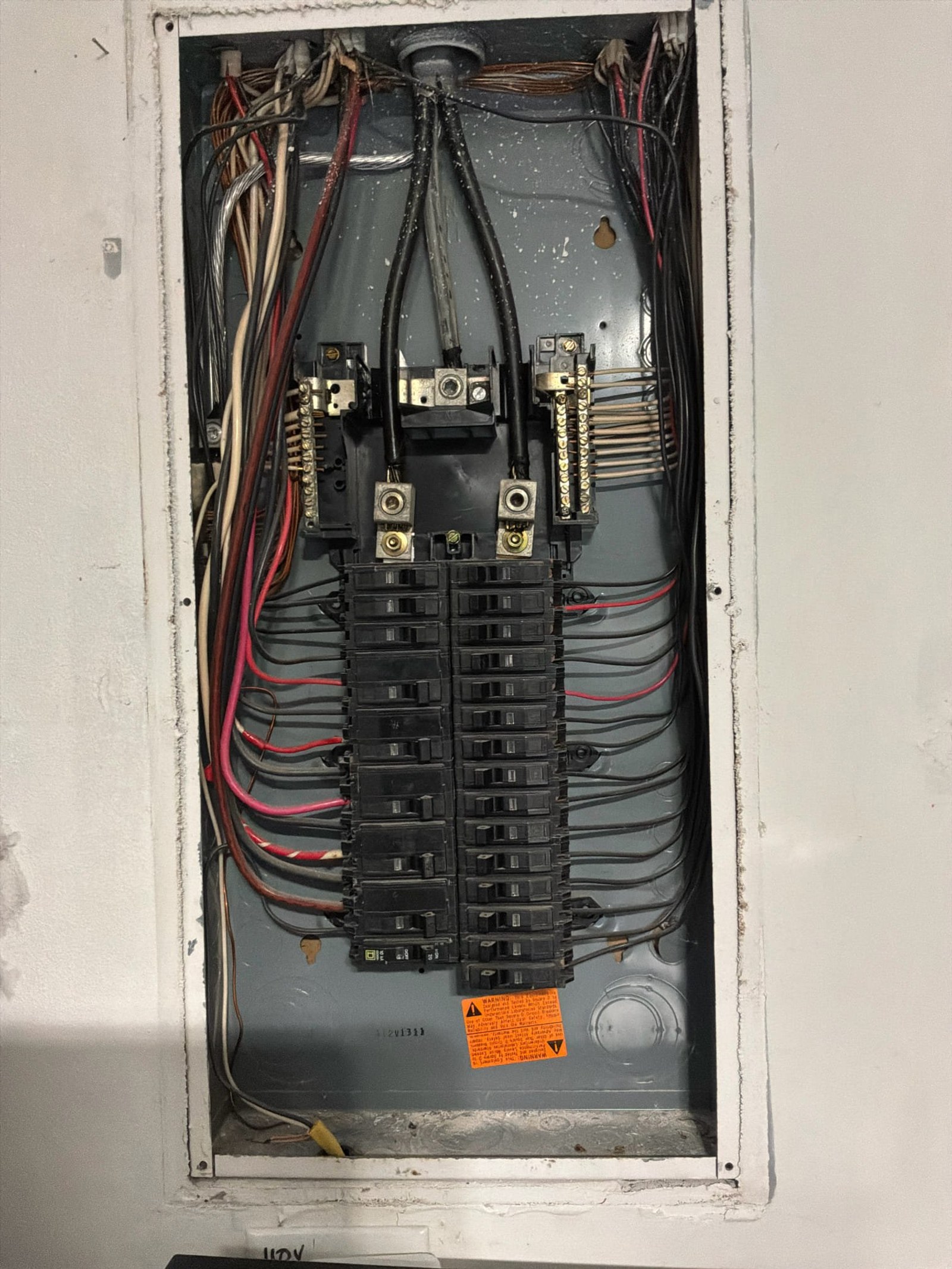
This Winter Springs surge protection case study walks through the real diagnosis, the fix, and the code details from a recent service call. A homeowner in Winter Springs, FL called Thomas Edison Electric after noticing several outlets on their porch and in bathrooms had lost power. What started as a simple outlet repair turned into a comprehensive electrical upgrade that brought the home up to current safety standards with whole-house surge protection and interconnected smart smoke detectors.
The Problem
The homeowner contacted us after spotting one of our service vehicles in the neighborhood. They reported that outlets on the porch and in multiple bathrooms weren’t working, though they weren’t sure exactly how many locations were affected. Additionally, the home’s aging electrical system lacked modern safety features that current codes require.
Investigation
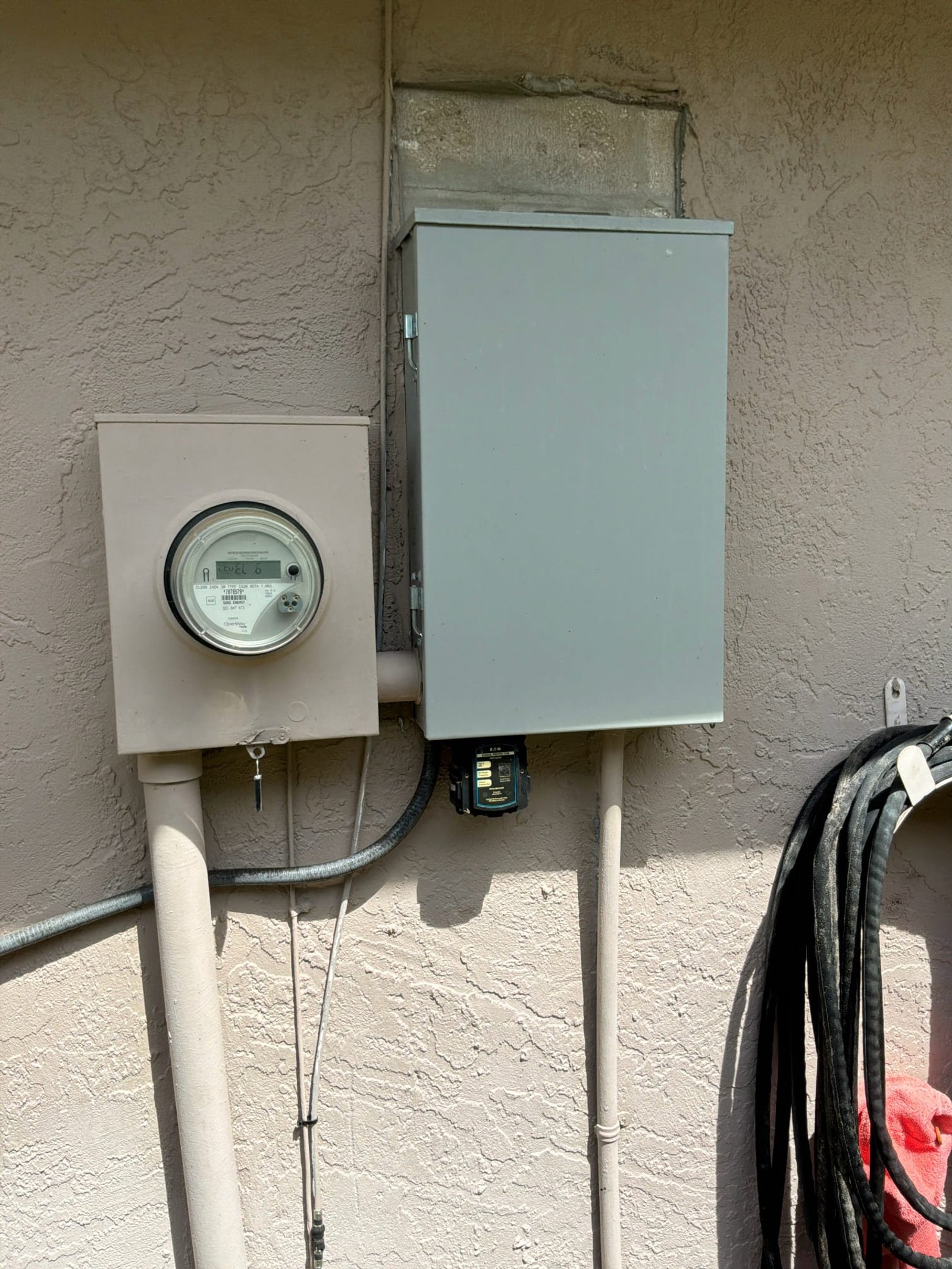
Our field team arrived to find multiple issues throughout the home’s electrical system. Several circuits had tripped, leaving outlets without power in key areas. Furthermore, the electrical panel needed breaker replacements and lacked whole-house surge protection. The home’s smoke detection system consisted of older, standalone units that didn’t meet current interconnection requirements.
The investigation revealed that the home’s electrical infrastructure, while functional, predated several important NEC updates that significantly improve safety and reliability.
What We Fixed
Our team performed a comprehensive electrical upgrade addressing both the immediate power issues and long-term safety improvements:
Panel Upgrades: We installed a PSP Vortex 120 kA whole-house surge protector to protect all electronics and appliances from voltage spikes. Several breakers required replacement, including a Square D HOM115 single-pole 15-amp breaker, a Square D HOM240 two-pole 40-amp breaker, and a GE THQP230 two-pole 30-amp breaker.
Outlet and Switch Work: We installed a new tamper-resistant 15-amp single receptacle in a remodel box, complete with proper grounding and code-compliant installation. Additionally, we replaced a decorator-style rocker switch and repaired a damaged cord with a new 15-amp NEMA 5-15P cord cap.
Smart Safety System: The most significant upgrade involved installing five interconnected smart smoke and carbon monoxide detectors with 10-year sealed lithium batteries. These units communicate with each other wirelessly, so when one detects smoke or CO, all units sound an alarm throughout the home.
Why This Winter Springs Surge Protection Matters for Homeowners
Whole-house surge protection has become increasingly important as homes fill with sensitive electronics. Meanwhile, the transition from standalone smoke detectors to interconnected systems represents one of the most significant safety advances in residential fire protection. When a fire starts in a basement or remote bedroom, interconnected detectors ensure everyone in the house receives immediate warning.
The smart features on modern smoke detectors also provide homeowners with smartphone notifications about low batteries or system status, eliminating the middle-of-the-night chirping that plagued older units. These systems also self-test regularly and provide clear voice announcements about the type of emergency detected.
For homes built before recent code cycles, upgrading to current NEC standards isn’t just about compliance – it’s about bringing your family’s safety up to today’s best practices. The combination of surge protection, proper grounding, and interconnected life safety devices creates multiple layers of protection that simply weren’t available when many homes were originally wired.
Code Compliance Cited in This Job
Every fix above maps to a specific section of the 2020 NEC, the edition Florida enforces under the 8th Edition Florida Building Code. Florida adopts the 2023 edition of the NEC when the 9th Edition takes effect on December 31, 2026. Each card links to NFPA’s public NEC index.
Surge Protective Device Installation
This section governs the proper installation of whole-house surge protective devices like the PSP Vortex unit we installed. The SPD must be connected as close as practical to the service equipment and properly grounded to provide effective protection for the entire electrical system. NFPA reference ›
Remodel Box Installation
When installing new outlets in existing walls, proper box sizing and support are critical. The remodel box we used meets the cubic inch requirements for the wiring connections while providing secure mounting in the existing drywall opening. NFPA reference ›
Fire Alarm Circuit Requirements
Modern smoke detector installations must meet specific wiring and interconnection standards. The wireless interconnected units we installed comply with current requirements for residential fire alarm systems, ensuring reliable communication between all detectors in the home. NFPA reference ›
Tamper-Resistant Receptacles
All 15- and 20-ampere receptacles in residential locations must now include tamper-resistant features. The new outlet we installed includes built-in shutters that prevent insertion of foreign objects while allowing normal plug insertion. NFPA reference ›
Common Questions
Questions homeowners ask after seeing this kind of work.
How often should whole-house surge protectors be inspected?
Whole-house surge protectors should be visually inspected yearly as part of your electrical system maintenance. Most quality units like the PSP Vortex include indicator lights that show operational status, making it easy to confirm they’re working properly. If you notice any warning indicators or experience repeated electronic failures after storms, schedule a surge protection inspection to ensure your system is functioning correctly.
Do smart smoke detectors really make a difference in home safety?
Absolutely – interconnected smoke detectors can cut fire escape times in half compared to standalone units. When one detector activates, all units sound simultaneously, giving everyone in the house immediate warning regardless of where the fire starts. The smartphone notifications also alert you to issues when you’re away from home. If your home still has older standalone detectors, book an upgrade consultation to see how modern interconnected systems can improve your family’s safety.
Why did multiple outlets stop working at the same time?
When several outlets lose power simultaneously, it typically indicates a tripped breaker or a problem with a shared circuit. In this case, the homeowner’s outlets were on circuits that had protective devices activate, which is actually the system working as designed. However, frequent trips can indicate underlying issues worth investigating. If you’re experiencing similar problems, our team can diagnose the root cause and recommend appropriate solutions.
How long do tamper-resistant outlets last compared to standard ones?
Tamper-resistant outlets have the same electrical lifespan as standard outlets – typically 15-20 years with normal use. The spring-loaded shutters are designed to operate thousands of times without wearing out. The main advantage is safety, especially in homes with young children, since the shutters prevent insertion of foreign objects. If you’re updating outlets in your home, schedule an outlet upgrade to bring everything up to current safety standards.
When should I have my home’s electrical system inspected?
Most homes benefit from yearly electrical inspections to catch potential issues before they become problems. Homes built before 1990 or those that have weathered recent storms may need more frequent attention. A thorough inspection covers panels, outlets, switches, and safety devices like the surge protector and smoke detectors we installed. To establish a baseline for your home’s electrical health, book a comprehensive safety inspection with our certified technicians.
Want to see more real jobs like this one? Browse our completed case studies or explore our services.