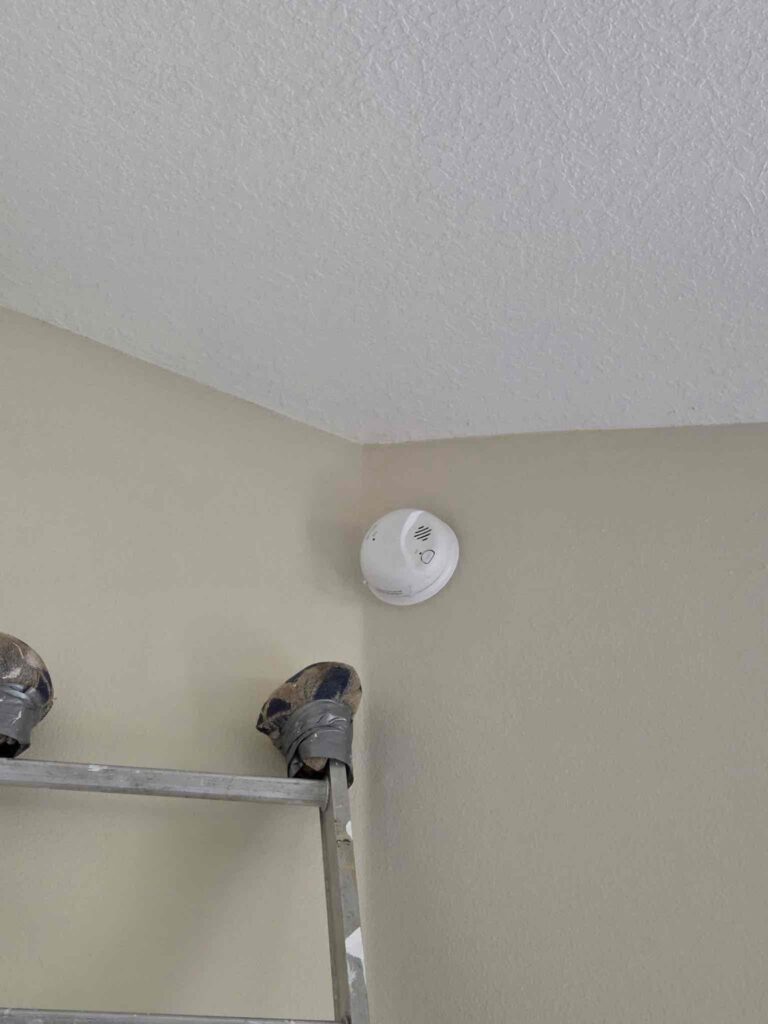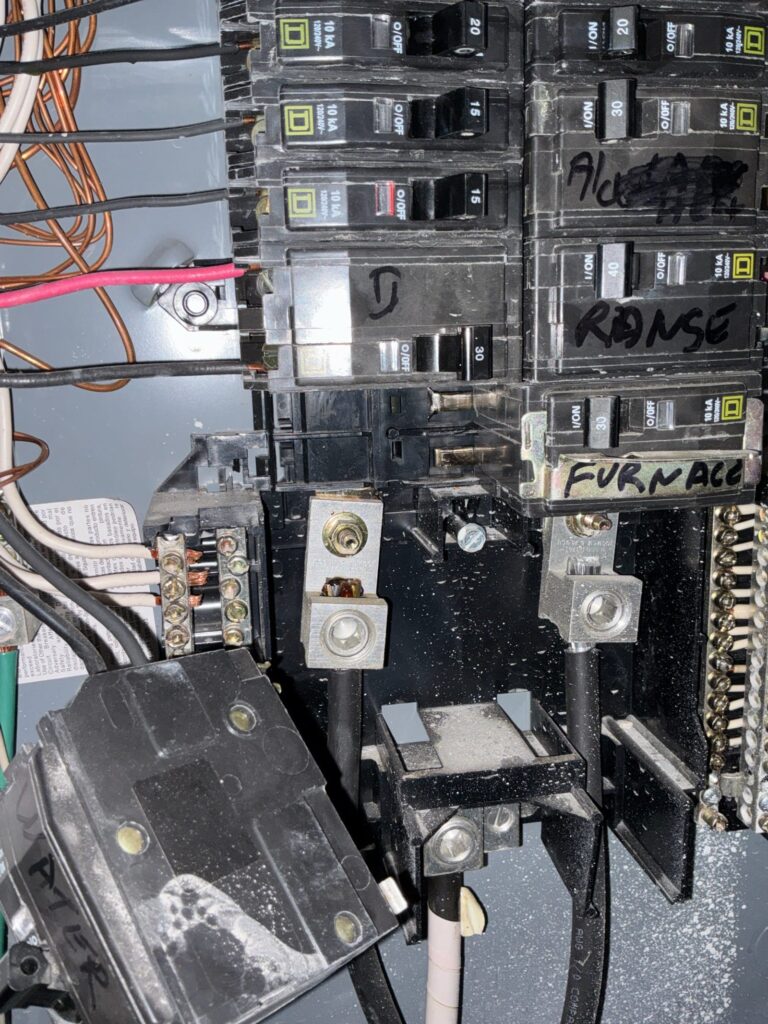
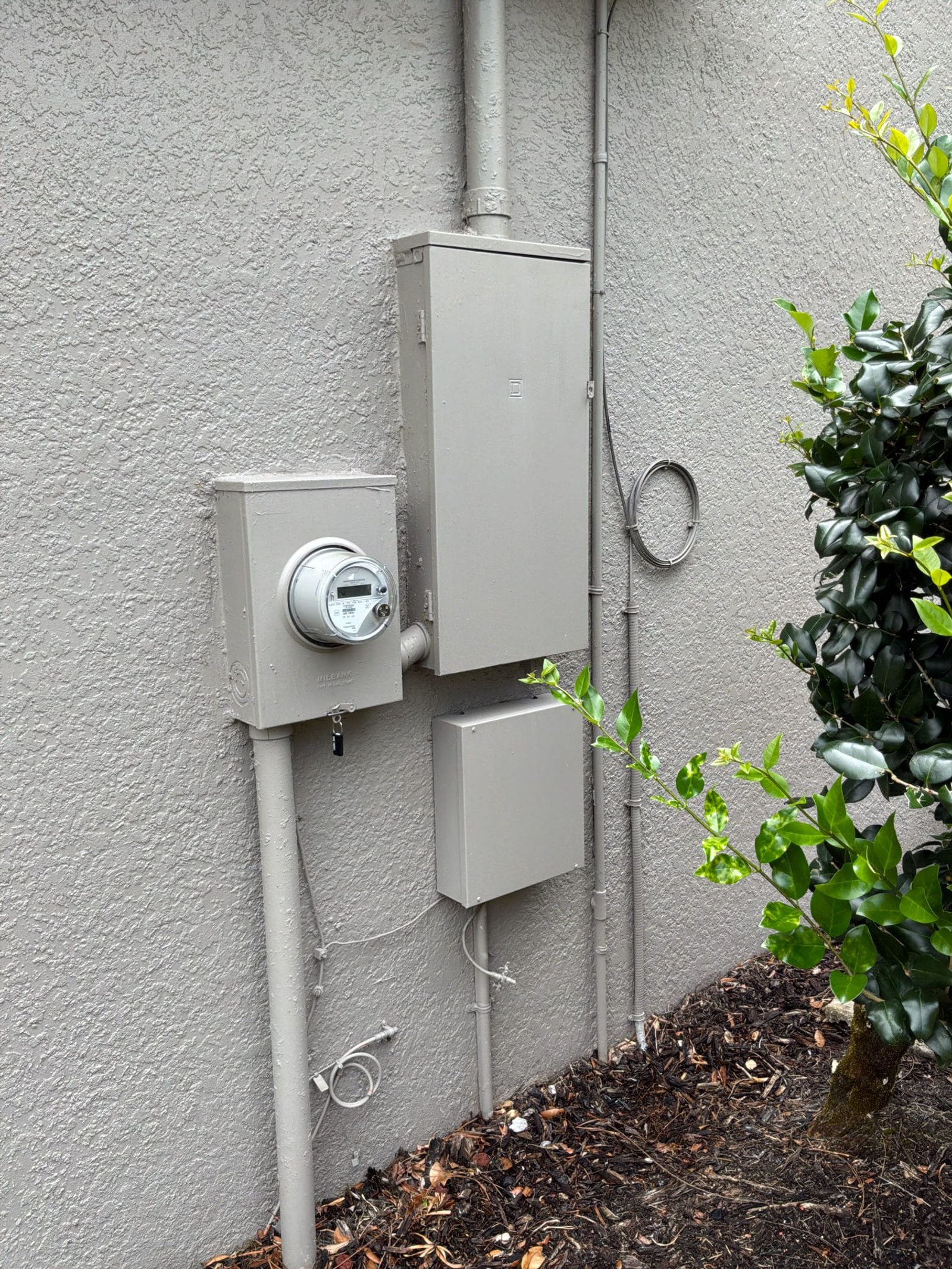
A Oviedo homeowner’s call turned into this smoke detection upgrade job – below are the real findings and the fix, step by step. A homeowner in Oviedo, FL contacted Thomas Edison Electric for a landscape lighting consultation. However, during our visit, we discovered several opportunities to modernize the home’s electrical safety systems. Our team installed five interconnected smart smoke/CO detectors, added whole-home surge protection, and upgraded multiple circuit breakers to current standards.
The Problem
The homeowner initially reached out for outdoor landscape lighting design and installation estimates for their front yard, walkway, and tree accent lighting. During our scheduled consultation, we identified aging smoke detection equipment and missing surge protection that presented opportunities for safety improvements.
Investigation
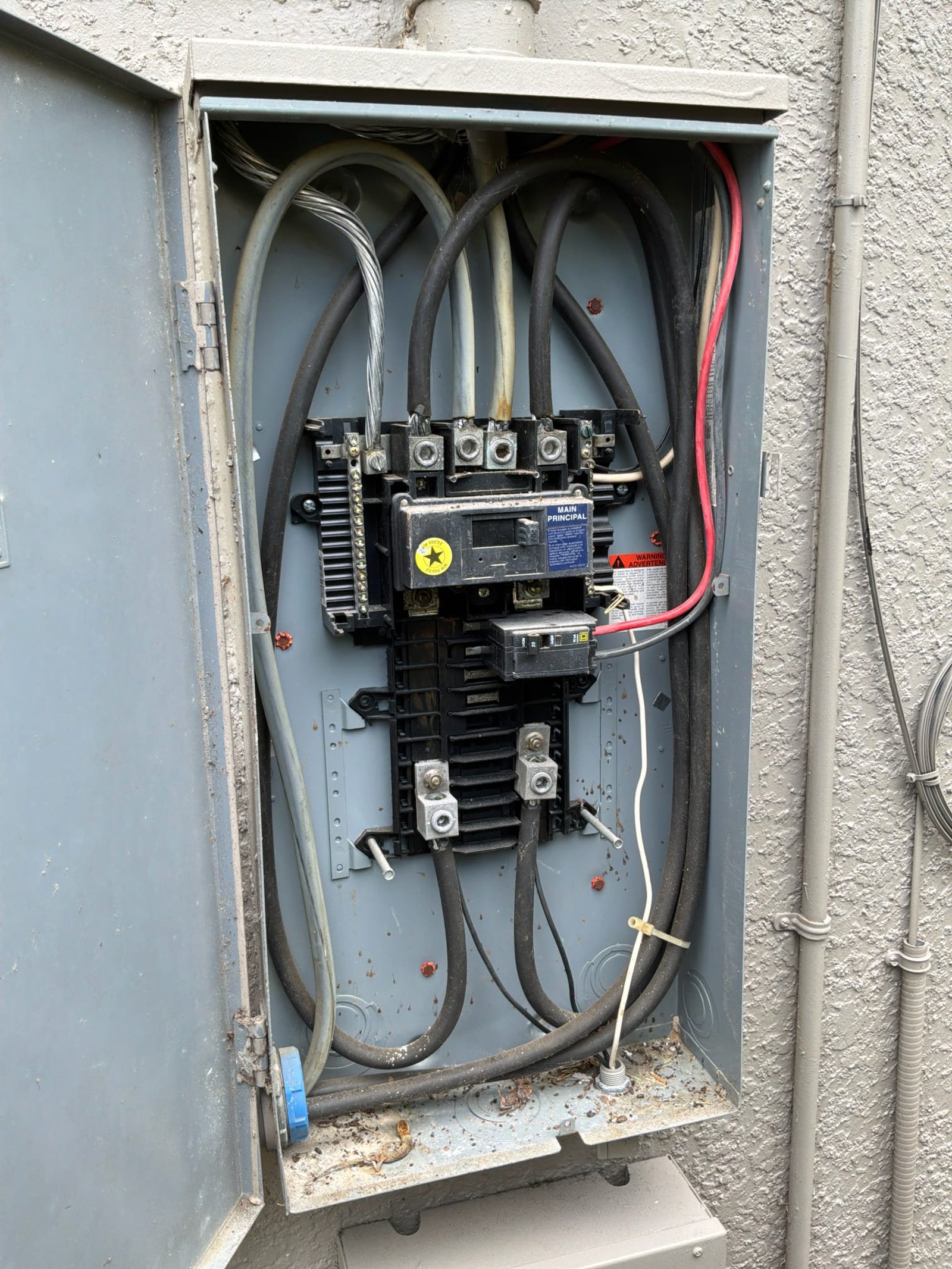
Our field team conducted a comprehensive assessment of the existing electrical systems. The home had older smoke detectors that predated current interconnection requirements and lacked the smart connectivity features that modern homeowners expect. Additionally, the electrical panel was missing whole-home surge protection, leaving sensitive electronics vulnerable to power surges. Several circuit breakers showed signs of age and needed replacement to maintain reliable operation.
The existing panel configuration included a mix of Square D HomeLine and GE breakers, indicating previous service work over the years. Furthermore, we identified a receptacle and switch that required updating to meet current tamper-resistant standards.
What We Fixed
We installed five interconnected smart smoke/CO detectors with 10-year sealed lithium batteries throughout the home. These units feature wireless connectivity and smartphone alerts, providing enhanced safety monitoring compared to traditional detectors.
Next, we added a PSP Vortex 120 kA whole-house surge protector to the main panel. This device protects all connected appliances and electronics from voltage spikes caused by lightning strikes, utility switching, or other electrical disturbances.
For the panel upgrades, we installed new Square D HOM115 15-amp single-pole breaker, a HOM240 40-amp two-pole breaker, and a GE THQP230 30-amp two-pole breaker. These replacements ensure reliable circuit protection and accommodate the home’s current electrical loads.
We also replaced one tamper-resistant receptacle using a Pass & Seymour TR5251-W unit in a new single-gang remodel box, along with installing a decorator-style rocker switch to match the home’s modern aesthetic.
Finally, we installed a 15-amp cord cap on an existing appliance cord to ensure proper electrical connection and safety.
Why This Smoke Detection Upgrade Matters for Oviedo Homeowners
Modern smoke and carbon monoxide detection goes far beyond basic alarms. Today’s interconnected systems ensure that when one detector activates, all units sound simultaneously throughout the home. Additionally, smart connectivity allows homeowners to receive alerts on their phones even when away, providing peace of mind and faster emergency response.
Whole-home surge protection represents one of the most cost-effective electrical upgrades available. With today’s homes containing thousands of dollars in sensitive electronics, a single surge event can cause devastating losses. The PSP Vortex system we installed provides comprehensive protection at the service entrance, safeguarding everything from HVAC systems to home entertainment equipment.
Regular breaker replacement maintains the integrity of your electrical system’s protective functions. As breakers age, their trip curves can drift outside specification, potentially allowing overcurrent conditions that stress wiring and connected equipment.
Code Compliance Cited in This Job
Every fix above maps to a specific section of the 2020 NEC, the edition Florida enforces under the 8th Edition Florida Building Code. Florida adopts the 2023 edition of the NEC when the 9th Edition takes effect on December 31, 2026. Each card links to NFPA’s public NEC index.
Smoke Detector Interconnection
NEC 314.29 requires smoke alarms in dwelling units to be interconnected so activation of one alarm triggers all alarms throughout the home. The five smart detectors we installed meet this requirement through wireless connectivity and provide enhanced notification compared to basic battery units. NFPA reference ›
Surge Protective Device Installation
NEC 285.6 establishes installation requirements for Type 2 surge protective devices like the PSP Vortex unit we installed. Proper installation at the service panel provides whole-home protection against transient overvoltages from external sources. NFPA reference ›
Tamper-Resistant Receptacles
NEC 406.12 mandates tamper-resistant receptacles in dwelling unit locations accessible to children. The Pass & Seymour TR5251-W receptacle we installed includes internal shutters that prevent insertion of foreign objects while maintaining normal plug operation. NFPA reference ›
Standard Ampere Ratings
NEC 240.6 specifies standard ampere ratings for overcurrent protective devices. The Square D HOM115, HOM240, and GE THQP230 breakers we installed provide properly rated protection for their respective circuits according to calculated loads and conductor ampacities. NFPA reference ›
Common Questions
Questions homeowners ask after seeing this kind of work.
How often should smoke detectors be replaced in my home?
Most smoke detectors should be replaced every 10 years, regardless of type. The smart detectors we installed feature 10-year sealed lithium batteries that eliminate the need for battery changes throughout their service life. Additionally, these units include end-of-life alerts that notify you when replacement time approaches. If your current detectors are approaching the 10-year mark, schedule an inspection to discuss upgrade options.
What’s the difference between Type 1 and Type 2 surge protectors?
Type 1 surge protectors install before the main breaker and handle utility-level surges, while Type 2 devices like the PSP Vortex we installed connect after the main breaker and protect against most residential surge events. Type 2 units are more common in homes because they’re easier to install and provide excellent protection for typical household electronics. Our team can evaluate your specific needs and recommend the right surge protection strategy.
Why do circuit breakers need replacement over time?
Circuit breakers contain mechanical components that wear with repeated operation and age. Over decades, the internal mechanisms can develop issues that affect their ability to trip at the correct amperage, potentially compromising protection. Modern breakers also offer improved arc-fault and ground-fault protection that older units lack. If your panel contains breakers over 20 years old, consider having them assessed by a licensed electrician.
Can I install smart smoke detectors myself?
While battery-operated smoke detectors can often be installed by homeowners, hardwired interconnected units like those we installed require electrical connections and typically need permits in most jurisdictions. Professional installation ensures proper wiring, code compliance, and reliable interconnection between all units. For safety-critical systems like smoke detection, it’s worth having professional installation to ensure everything works correctly.
How often should I have my electrical system inspected?
We recommend yearly electrical inspections for most homes, with more frequent checks for older properties or homes that have experienced recent storms. Regular inspections can identify aging components, code updates, and safety improvements before they become urgent issues. Homes built before 1990 or those with recent electrical work may benefit from inspections twice per year. Schedule your annual safety check to keep your electrical system in optimal condition.
Want to see more real jobs like this one? Browse our completed case studies or explore our services.