This Port Orange panel upgrade case study walks through the real diagnosis, the fix, and the code details from a recent service call. A Port Orange, FL homeowner had purchased a new pool light and attempted the installation themselves. When they called our team for help completing the work, our licensed electrician on-site finished the light connection and also took a closer look at the Siemens 150-amp panel nearby. What the inspection revealed was a set of conditions worth documenting and addressing over time.
The Problem
The homeowner had made a good start on the pool light installation but needed a professional to complete the final wiring connections safely and to code. The family had a time-sensitive afternoon schedule, so our team worked efficiently to wrap things up on time.
“We tried to install the new pool light ourselves but got stuck. We just needed someone to come finish the job the right way.”
Investigation
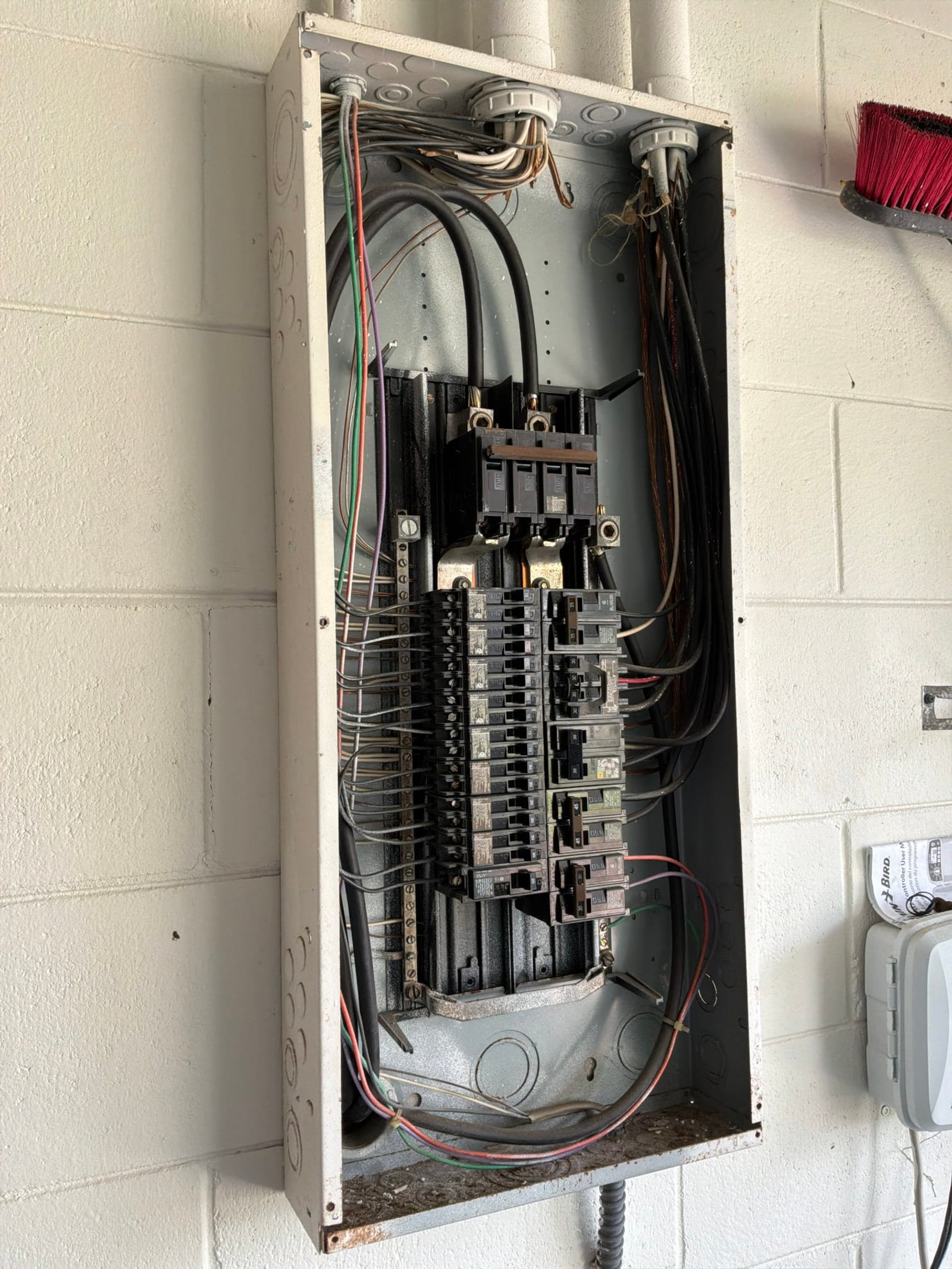
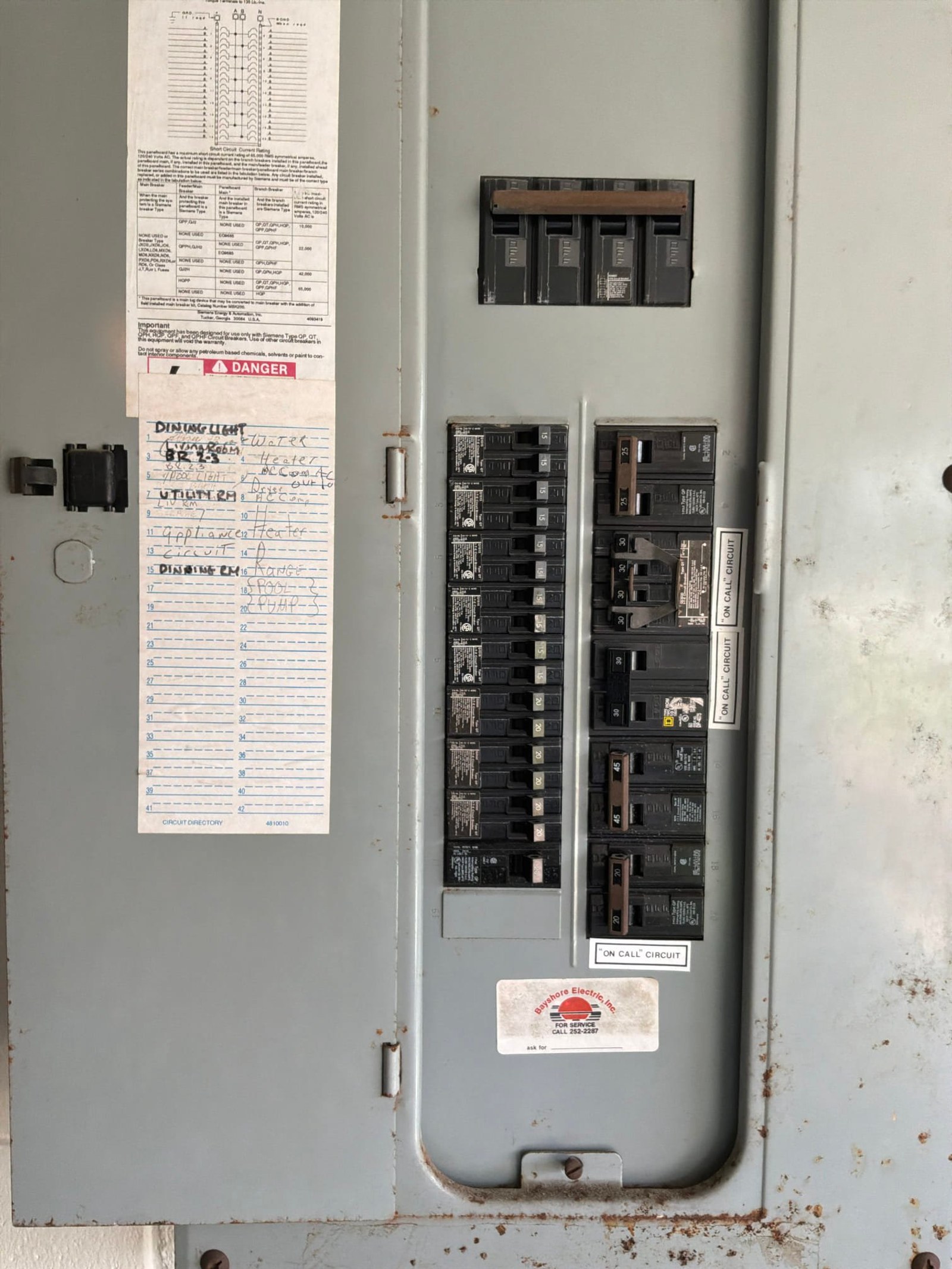
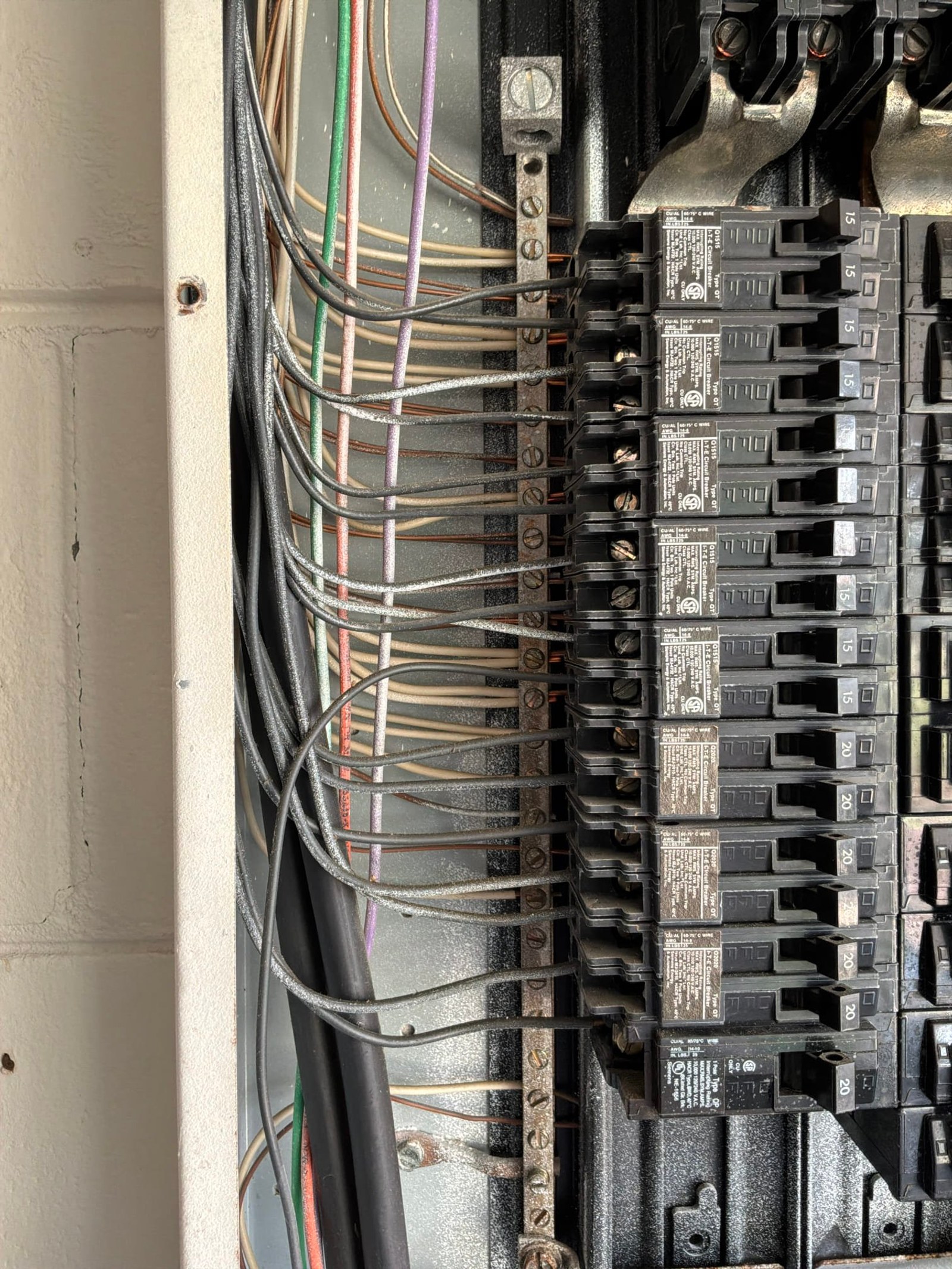
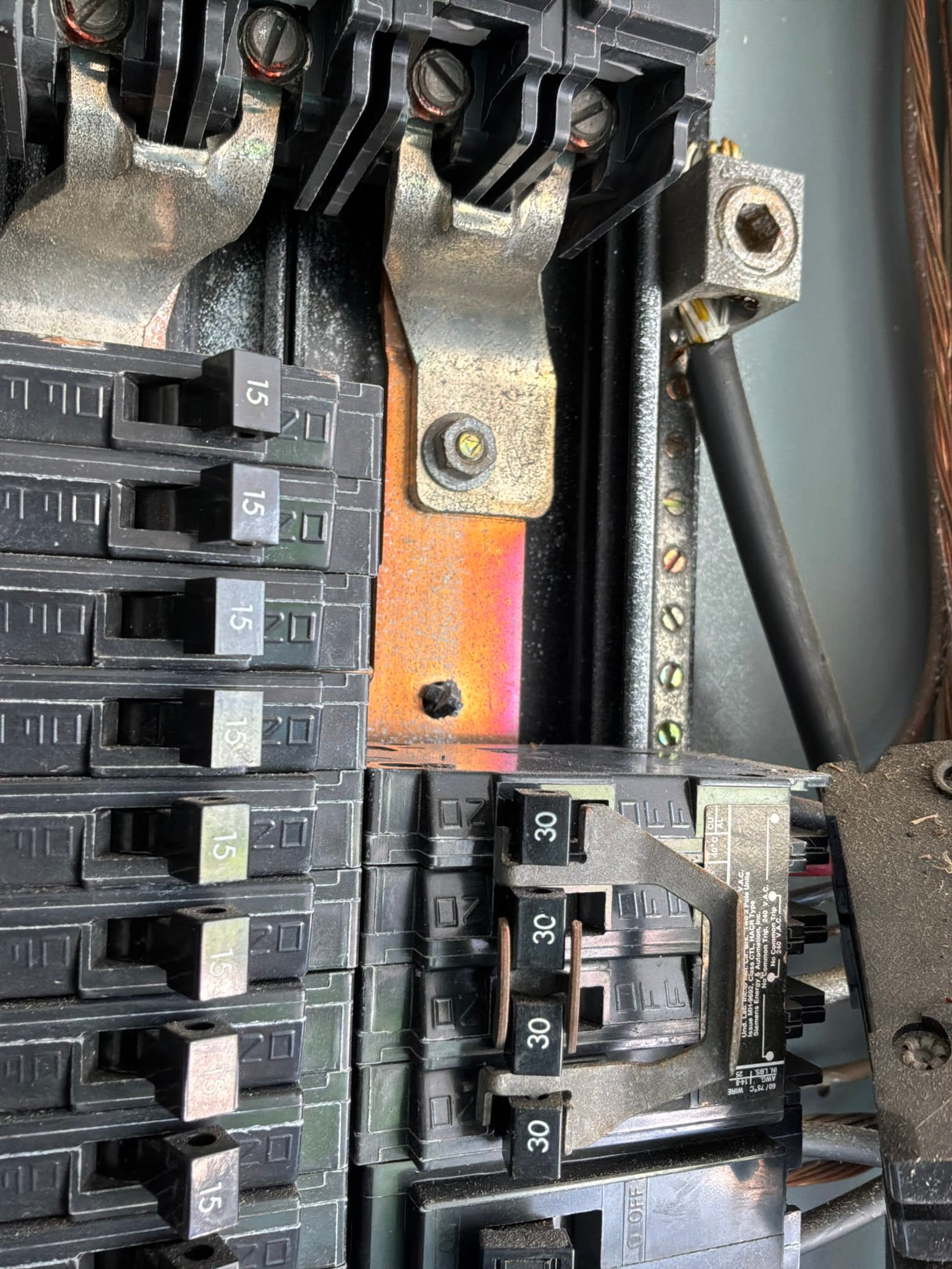
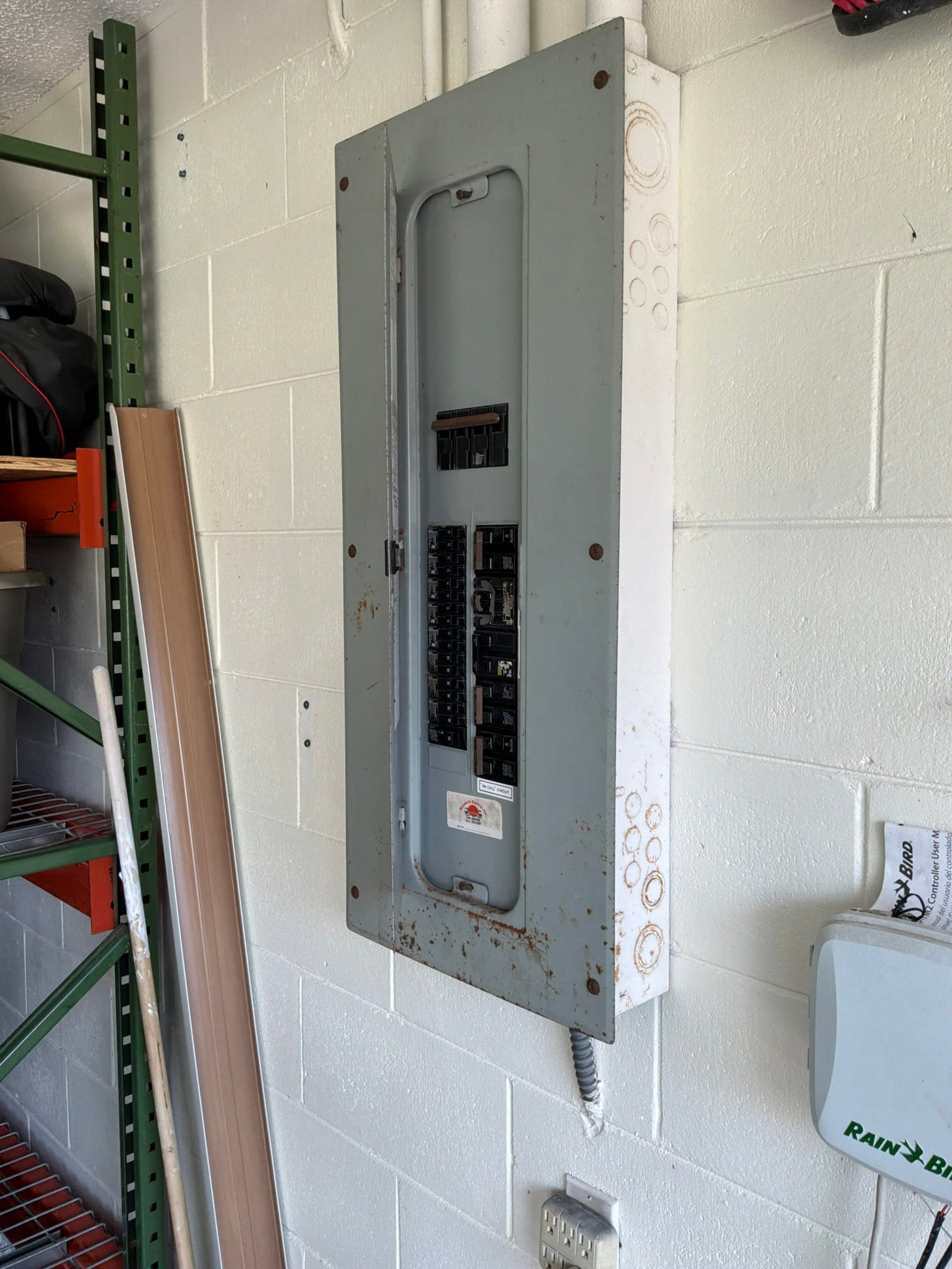
Our technician on-site completed the pool light hookup using a 1-inch flexible metal conduit whip, then performed a walkthrough inspection of the electrical panel.
What the Photos Showed
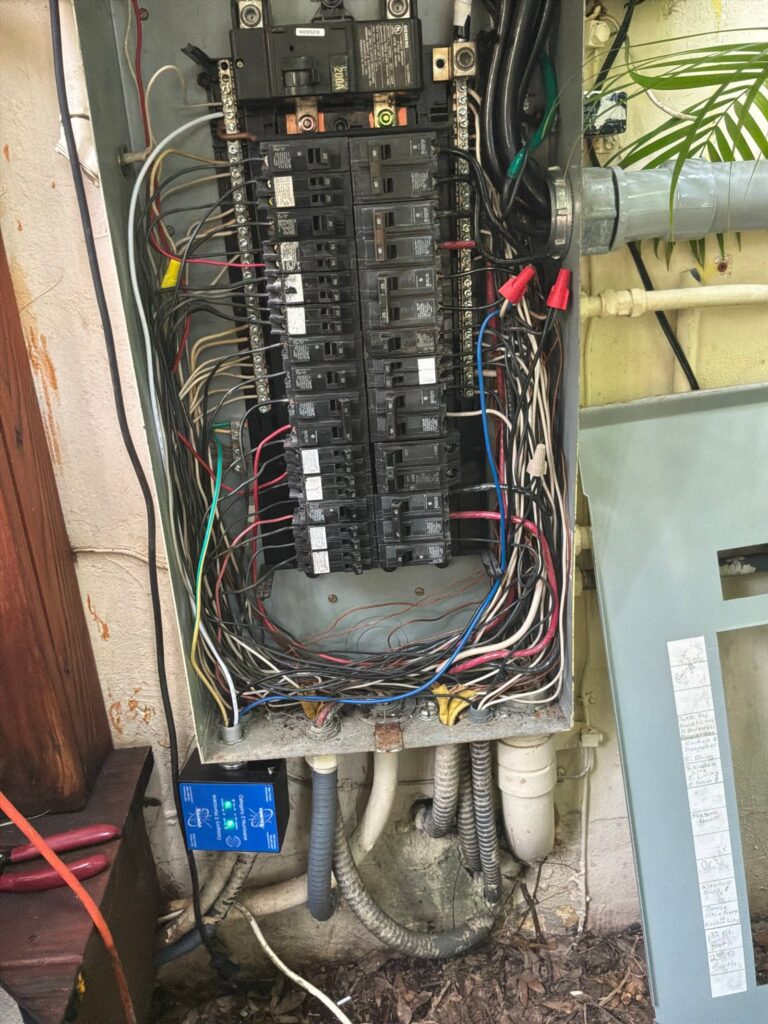
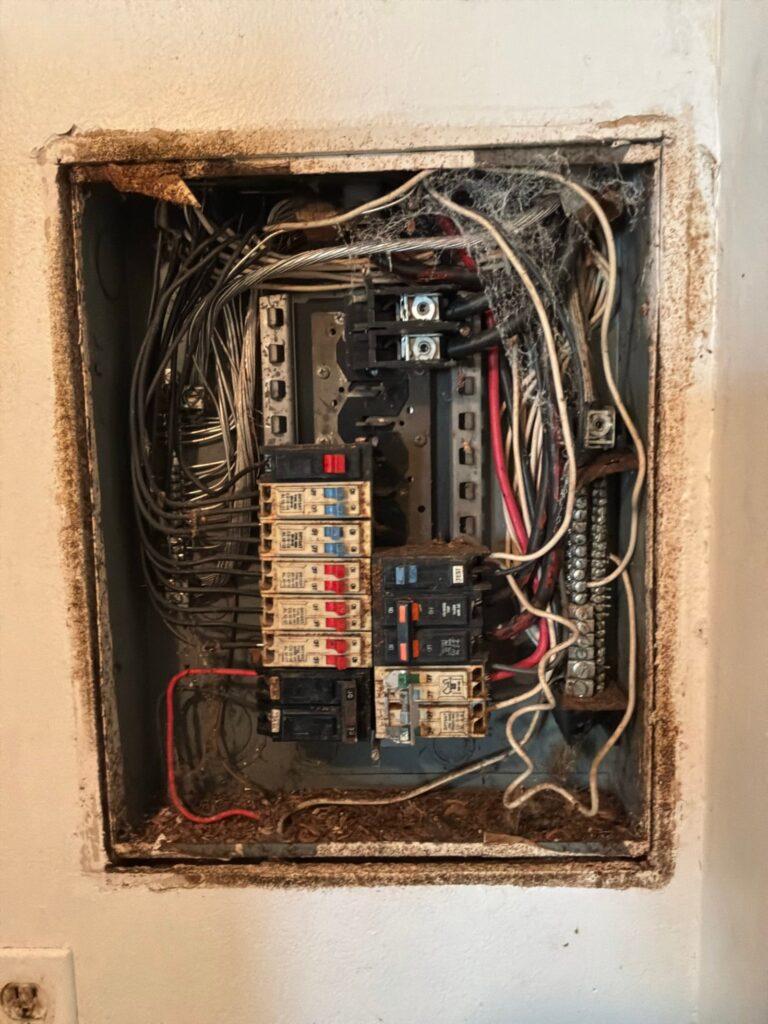
The panel photos told a clear story. The metal enclosure showed visible corrosion on the terminations and along the enclosure itself. Inside, corroded lugs and black conductors were visible alongside wiring left in place from earlier work, consistent with DIY workmanship over the years. One area of the panel showed heat discoloration around a termination point, alongside rust and discoloration on the bus bar near both 15-amp and 30-amp breaker positions.
Conditions like these are common in panels that have seen incremental additions over time, especially in Florida’s humid climate, where moisture finds its way into garage-mounted enclosures. None of this is unusual for a home of this vintage, but current standards give us good benchmarks for comparison.
What the Inspection Checklist Confirmed
The stoplight inspection flagged several items for follow-up. Specifically, breaker sizing for some equipment did not match the connected loads, and wiring gauges in a few areas did not align with the breakers protecting them. The bus bar showed corrosion and discoloration, and the double-tapped neutrals noted in the technician’s findings add contact-resistance concerns over time.
Additionally, there was no whole-home surge protection present at the service. For a Florida home, that is an opportunity worth taking seriously, given how frequently the grid sees lightning-related transients through storm season.
What We Fixed
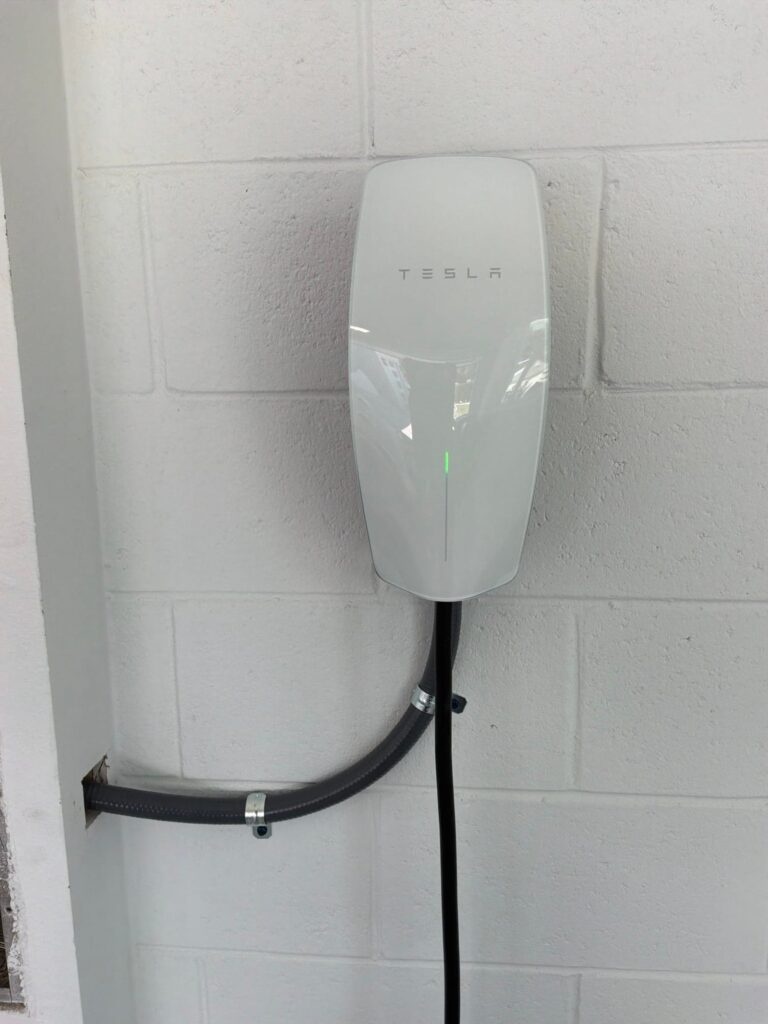
Our field team completed the primary reason for the call: the pool light installation. We ran a 1-inch flexible metal conduit (Greenfield) whip up to 10 feet, made the final wiring terminations, and confirmed the light was operational.
We also performed a minor troubleshooting check on the panel to document the inspection findings clearly for the homeowner. The panel conditions noted above, including the oversized and mismatched breakers, heat discoloration, corroded lugs, and missing surge protection, were all documented and communicated for future scheduling.
Why This Port Orange Panel Upgrade Matters for Homeowners
Panel Conditions and Everyday Reliability
For a family running a pool pump, central AC, and water heaters off the same 150-amp Siemens panel, the health of that panel directly affects daily comfort. Breakers that are oversized for their connected wiring cannot respond as quickly as code intends when a circuit is overloaded. Over time, that mismatch creates thermal stress on the conductors and connections, the kind of slow wear that current NEC standards are designed to prevent.
Heat discoloration on a bus bar is the panel’s way of showing that some connections have been working harder than they should. Addressing those connections and the underlying breaker-sizing issues is how you give the panel the modernization it deserves, so the household stops wondering why certain circuits occasionally act up.
Surge Protection and Storm Season
Florida averages more lightning strikes per square mile than almost anywhere else in the country. Without a whole-home surge protective device at the service, every voltage spike from a nearby strike travels freely to the panel and out to every connected appliance. Your refrigerator, AC compressor, pool equipment, and home electronics all absorb those transients directly.
A Type 2 SPD installed at the panel, per NEC 230.67, gives the household a first line of defense. Your appliances and electronics keep running through every storm, and the family does not come home to a dead refrigerator or a fried thermostat after a summer afternoon thunderstorm.
A Note on DIY Electrical Work
The homeowner’s initiative on the pool light was understandable, and they recognized the right moment to call for help. Pool wiring in particular falls under NEC 680.22, which requires GFCI protection for receptacles and lighting circuits near water. Getting that final connection made by a licensed electrician means the light is wired correctly, the conduit routing meets code, and the family can use the pool confidently. That peace of mind is exactly what a quick professional visit is worth.
Code Compliance Cited in This Job
Every fix above maps to a specific section of NEC 2020. Each card links to NFPA’s public NEC index.
Surge Protective Device at Dwelling Services
NEC 230.67 requires a listed surge protective device (SPD) at the service for all new dwelling-unit services. This Port Orange home’s panel had no SPD installed, leaving all connected equipment exposed to voltage transients during storm events. Adding a whole-home SPD at the Siemens 150-amp service is the recommended next step. NFPA reference ›
Type 2 SPD Installation Requirements
NEC 285.25 governs how a Type 2 SPD must be connected at the load side of the service. When the homeowner is ready to add surge protection, this section defines the installation method, conductor length limits, and listing requirements that our team will follow. NFPA reference ›
Electrical Connections and Terminal Integrity
NEC 110.14(B) requires that splices and terminations be made in a manner that does not raise the temperature or resistance of the circuit. The corroded lugs and heat discoloration observed at the bus bar in this panel are indications that some terminations are not maintaining the contact quality this section intends, and they are candidates for service during a future panel maintenance visit. NFPA reference ›
GFCI Protection for Pool Lighting and Receptacles
NEC 680.22 requires GFCI protection for lighting fixtures and receptacles installed in the vicinity of a pool. The pool light installation completed at this Port Orange home was wired through a GFCI-protected circuit to meet this requirement, ensuring the pool area operates as current code expects. NFPA reference ›
GFCI Protection for Personnel
NEC 210.8 extends GFCI requirements to outdoor, garage, and wet-location receptacles in dwelling units. With pool work underway and a panel inspection completed, our team confirmed GFCI coverage in the required areas was already present and passing during the walkthrough. NFPA reference ›
Common Questions
Questions homeowners ask after seeing this kind of work.
Can a homeowner legally install their own pool light in Florida?
Florida homeowners may perform certain electrical work on their own primary residence, but pool wiring is a specialized category that involves GFCI protection requirements under NEC 680.22 and local permitting rules. A licensed electrician should make the final connections and verify the circuit is protected correctly. If you have a pool project in progress, our team can schedule a same-day visit to complete the work and document it properly.
What does heat discoloration on a bus bar mean for my panel?
Heat discoloration typically points to a termination or breaker connection that has been carrying more resistance than it should, often from loose connections, corrosion, or a breaker that is not well-matched to its load. In most cases this develops slowly over years. It is worth having a licensed electrician evaluate the specific location and recommend whether a connection clean-up or a more comprehensive panel service makes sense. Book an inspection so we can take a look and give you a clear picture.
How often should I have my electrical system inspected?
Once a year is a solid baseline for most homes. Homes built before 1990 and homes in Florida that experience frequent summer storms may benefit from inspections more often, since heat, humidity, and lightning transients all accelerate wear on panels and connections. An annual checkup keeps small findings small. Schedule your yearly inspection and we will take care of the rest.
Do I really need whole-home surge protection if I already have power strips?
Power strips protect individual devices from small transients, but they do not stop a large voltage spike from traveling through the panel and reaching your AC compressor, pool pump, water heater, or any hardwired appliance. A whole-home Type 2 SPD at the service panel catches those events before they reach any circuit in the house. For a Florida home through storm season, that added layer keeps every appliance running the way your household depends on. Ask us about whole-home surge options when you book.
What are mismatched breakers and why do they matter?
A mismatched breaker is one where the breaker’s amperage rating is higher than what the connected wiring is rated to carry safely. When that happens, the breaker allows more current to flow than the wire can handle comfortably before tripping, which creates thermal stress on the conductors over time. Current NEC standards require that breakers and wire gauges be properly coordinated. If your panel has a mix of breaker sizes and you are unsure whether they are matched correctly, a licensed electrician can sort it out quickly. Schedule a panel review and we will document exactly what is there.
Want to see more real jobs like this one? Browse our completed case studies or explore our services.