This Orlando panel upgrade case study walks through the real diagnosis, the fix, and the code details from a recent service call. A homeowner in Windermere, FL had gone years without working pool lights. The fix turned out to be a single faulty GFCI outlet near the pool equipment. Our field team replaced it with a code-compliant, tamper-resistant, self-testing GFCI receptacle and conducted a full panel walkthrough while on site.
The Problem
The homeowner had lived with dark pool lights for years, assuming the repair would be complicated or costly. When our team arrived, the reported issue was straightforward: the pool lights simply would not come on, and no one had been able to trace the cause.
“Pool lights are not working. Have not been working for years.”
Investigation
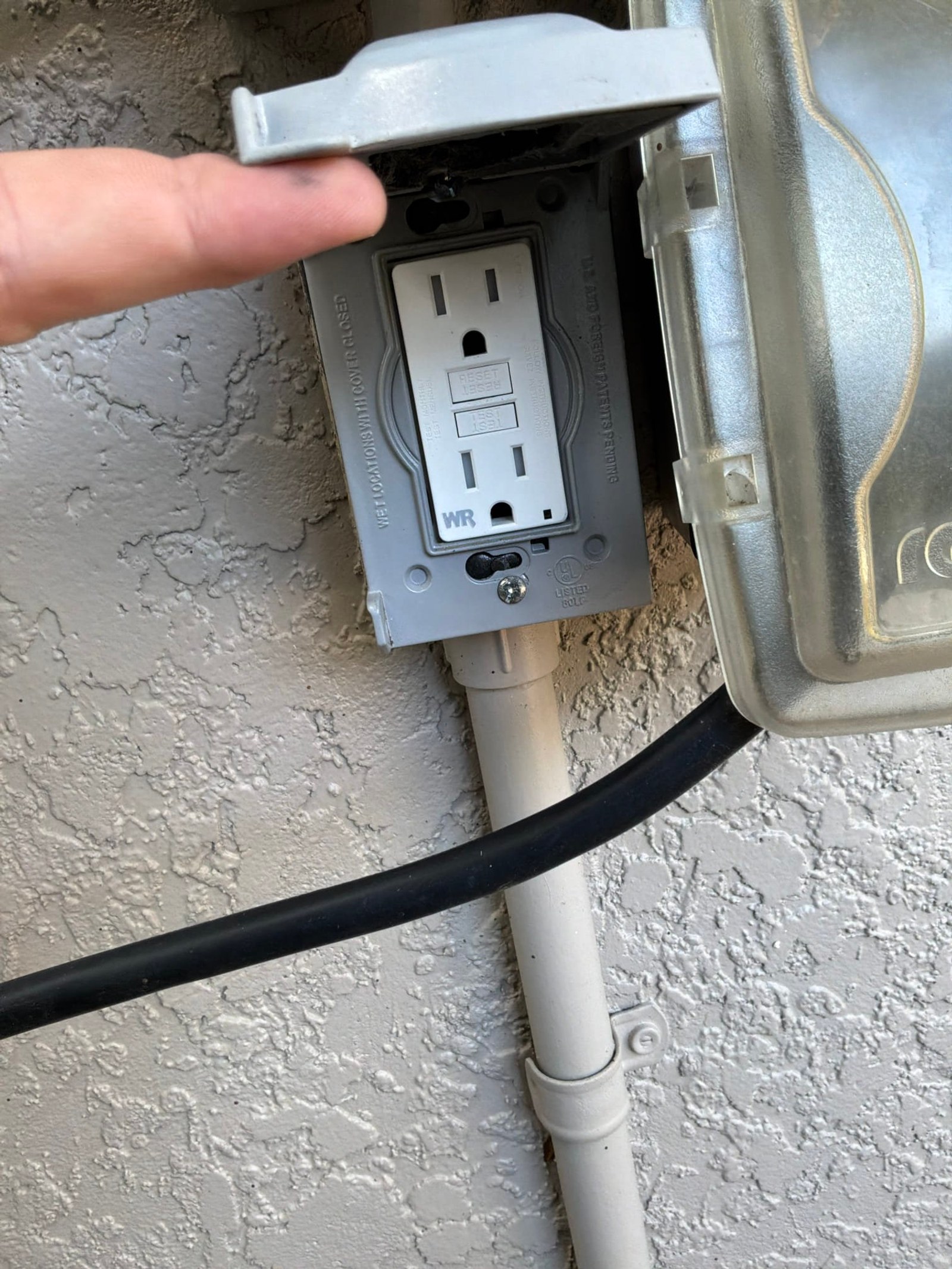
Our technician on-site started at the most logical upstream point: the GFCI protection for the pool circuit. In the photo taken at the pool equipment area, you can see a weatherproof duplex outlet position where the original GFCI device had been installed. The device had failed in its tripped or open state, cutting power to the pool lights entirely. Because the outlet was the first point of GFCI protection on that branch, everything downstream stayed off.
This kind of silent failure is common with older GFCI devices. The internal test mechanism wears over time, and the device can lock into a tripped position without giving any visible indication. For the homeowner, the lights just stopped working one day and never came back.
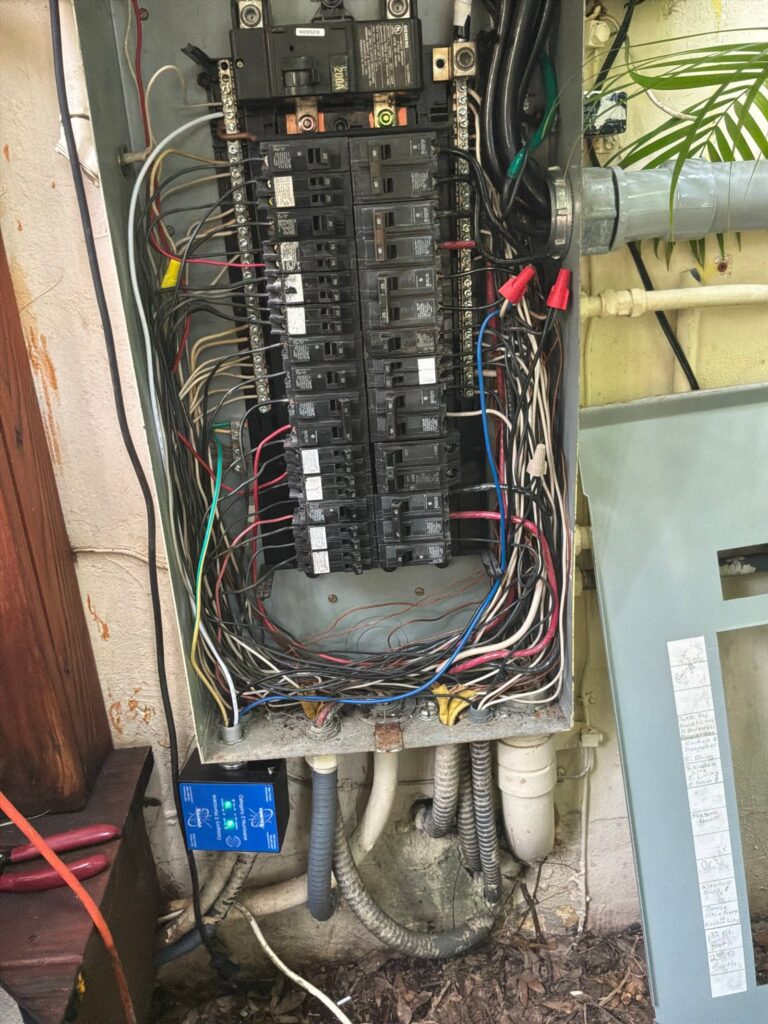
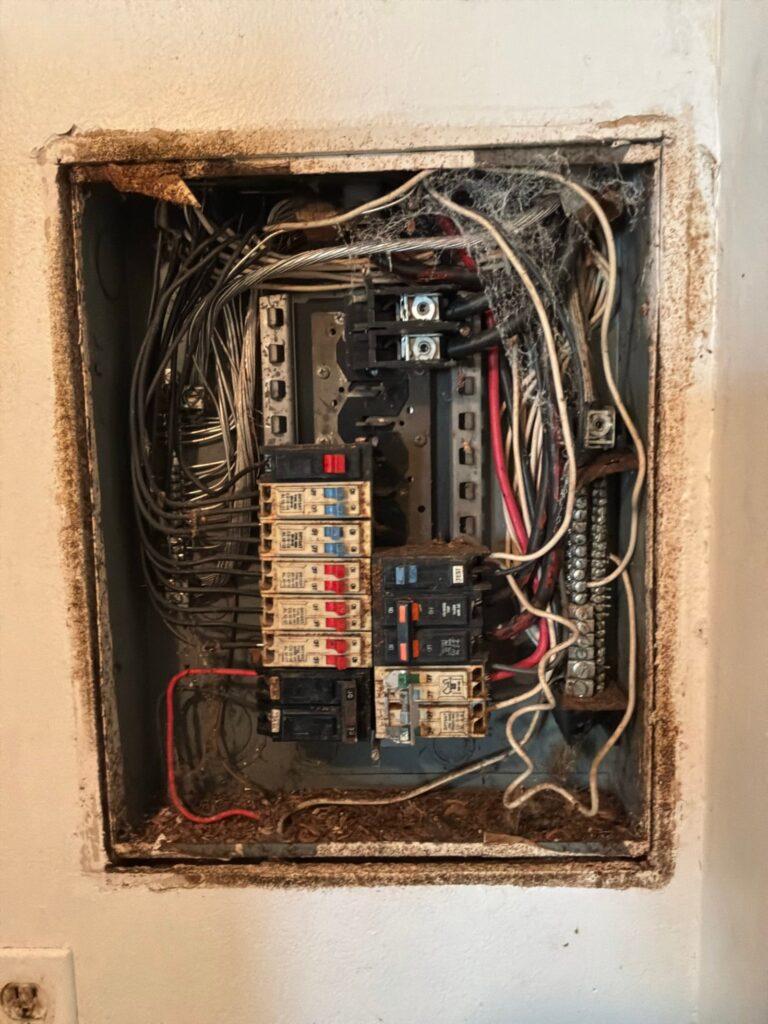
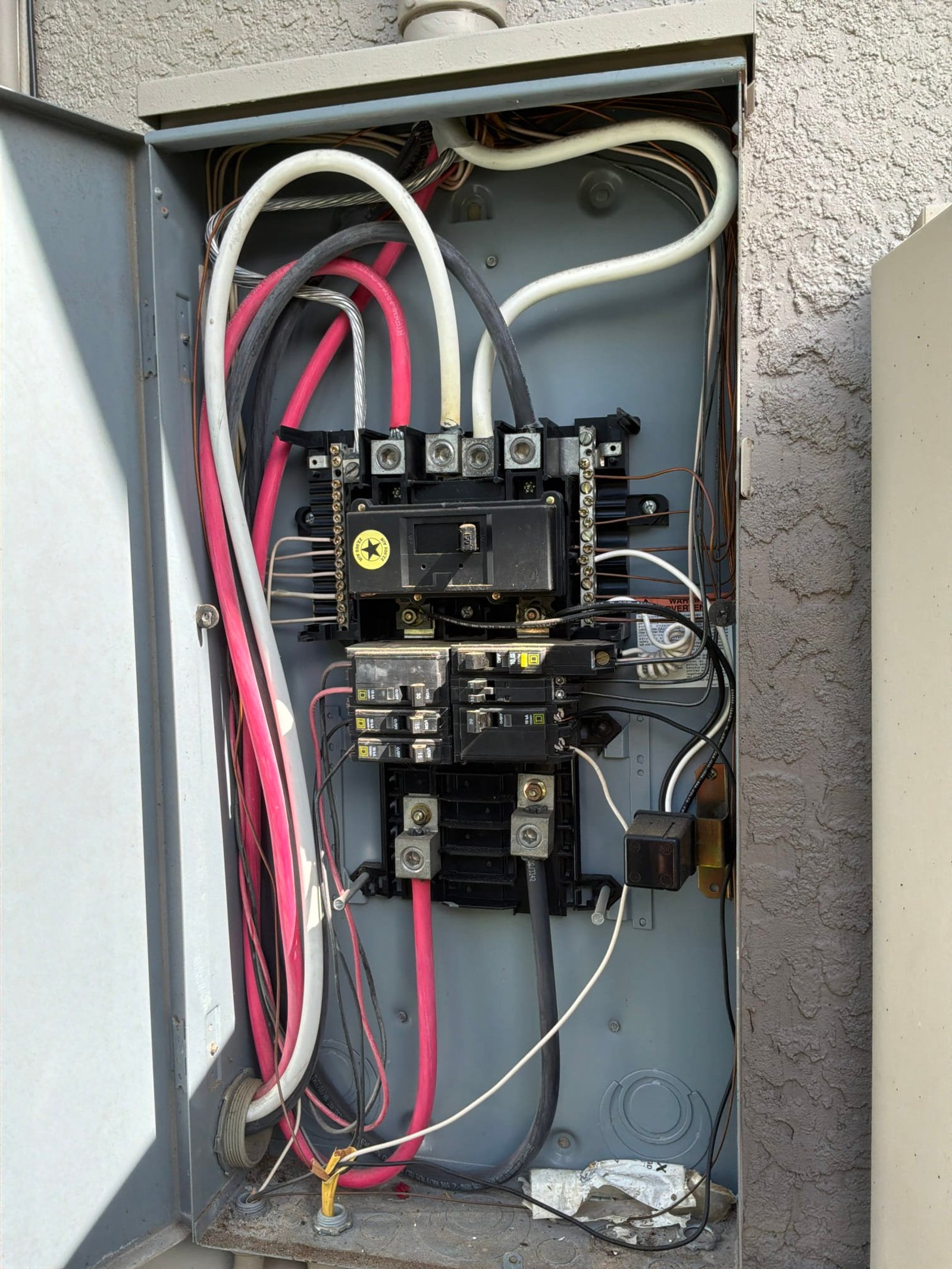
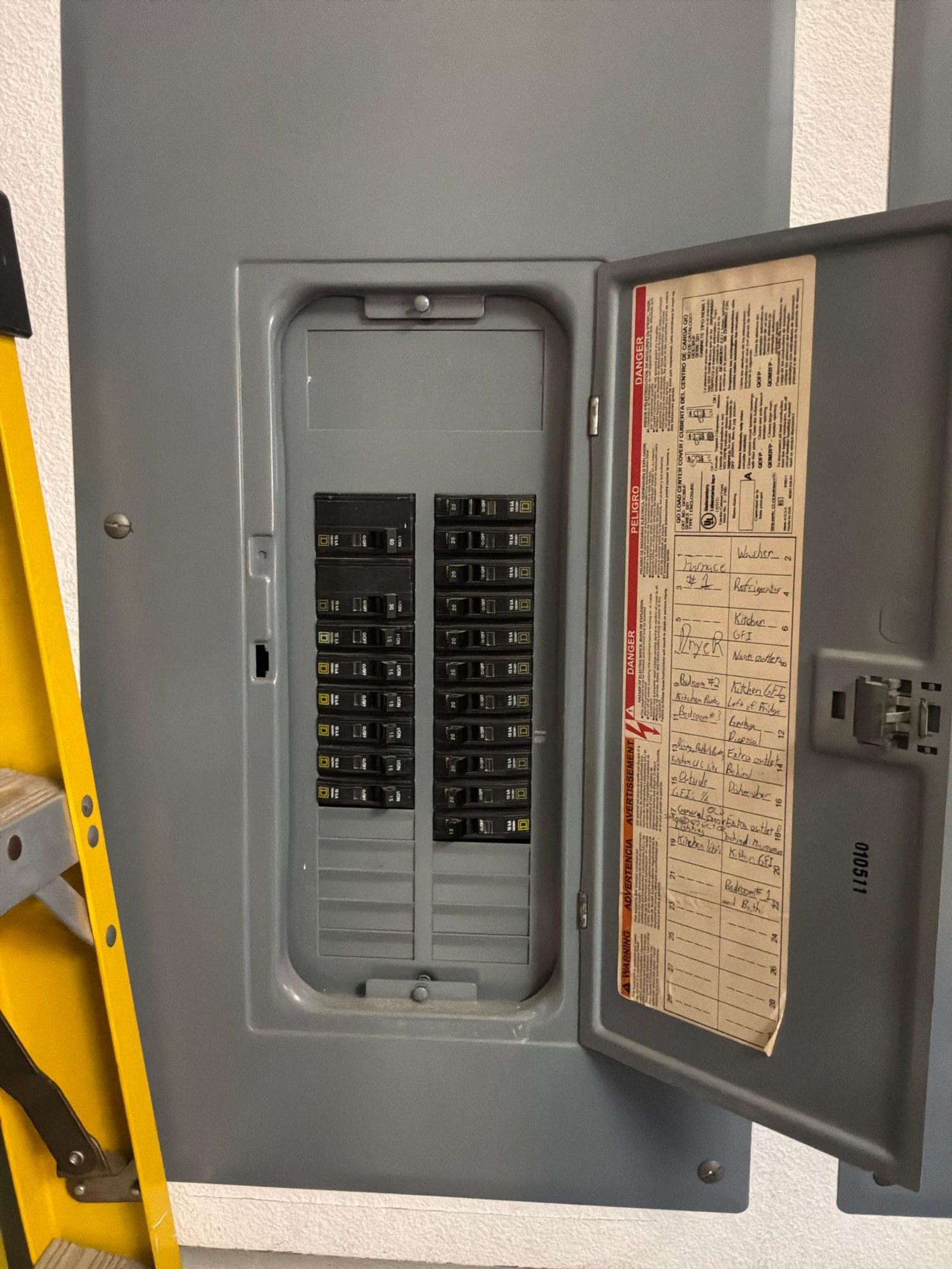
Additionally, the team conducted a visual walkthrough of the 200-amp GE panel. The panel interior photo shows double-pole breakers and a fused disconnect alongside a handwritten circuit directory. That walkthrough turned up a few items worth noting for future planning:
Panel and Circuit Observations
The inspection found a double-tapped breaker, which predates a stricter reading of current panel-loading guidance. It also noted that surge protection and AFCI protection are not currently present. Homes of this era were often wired before those protections became standard requirements, so the absence is consistent with the home’s age. Both represent straightforward opportunities to modernize when the homeowner is ready.
Outlet and Device Findings
Several outlets in the home were noted as backstabbed, a wiring shortcut common in homes finished before roughly 2005. Over time, the spring tension on backstabbed connections can ease and contact resistance can climb, producing intermittent behavior. Replacing them with screw-terminated connections is a straightforward, durable update. The inspection also flagged that not all outlets are tamper-resistant, which is now a standard requirement under NEC 406.12 for dwelling-unit receptacle replacements.
What We Fixed
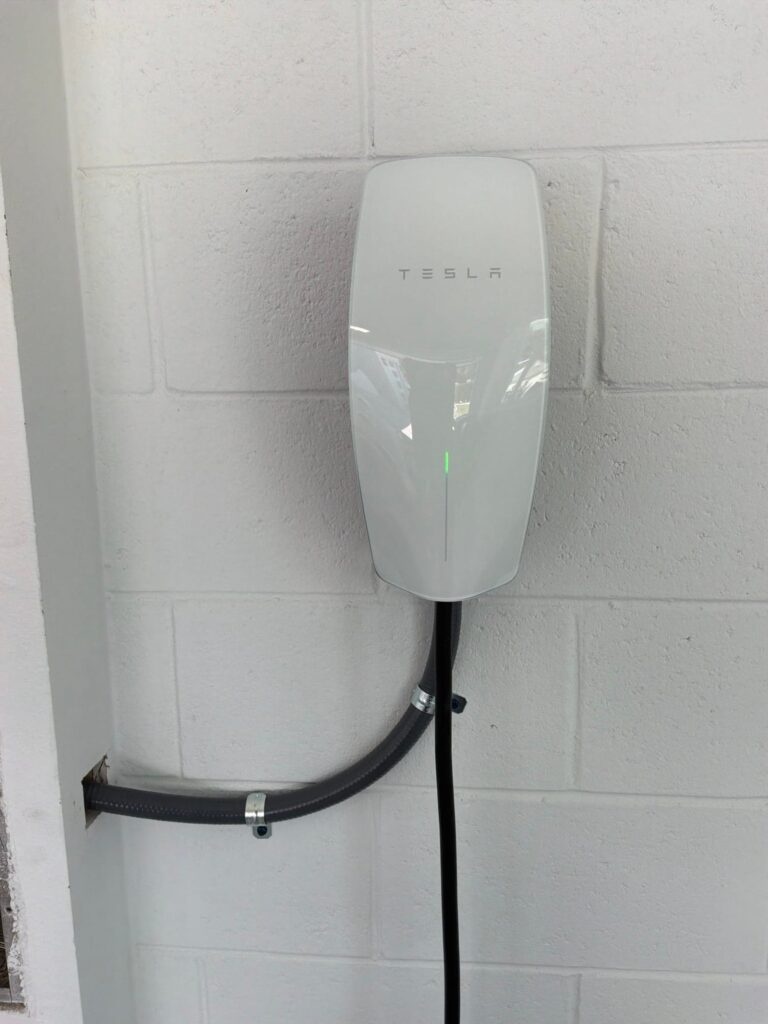
The primary repair was the installation of a new Pass & Seymour 1597-TRW 15A 125V self-testing, tamper-resistant GFCI receptacle at the existing pool equipment location. This device features a built-in self-test function that automatically verifies the ground fault protection circuit at regular intervals, a feature that older GFCI outlets do not have.
A new single-gang Decora-profile cover plate was fitted to finish the installation cleanly. Once the new GFCI was seated and tested, power was restored to the pool light circuit and the lights came on for the first time in years.
The team also shared the full inspection findings with the homeowner so he could make informed decisions about any future upgrades on his own timeline.
Why This Orlando Panel Upgrade Matters for Homeowners
Pool lights bring a lot of enjoyment to an outdoor space, especially during Florida evenings. When a single upstream device fails silently, the whole circuit goes dark and the cause is not always obvious. A self-testing GFCI outlet removes one of the most common points of silent failure: the device checks itself and trips visibly if the protection circuit degrades, so the household always knows the status at a glance.
For families who use their pool regularly, that kind of quiet reliability makes a real difference. You should not have to wonder whether the lights will work when guests arrive for a weekend gathering or when the kids want to swim after dinner.
The full-panel walkthrough also gave this homeowner a clear picture of where his home stands today. Items like surge protection and AFCI coverage are not emergencies, but they are worth planning for. Whole-home surge protection, for example, means that the electronics, appliances, and AC equipment in the home keep running through the voltage spikes that Central Florida’s afternoon storm season brings every year. Knowing what is there and what could be updated is the first step toward peace of mind.
For more guidance on electrical safety education for homeowners, the Electrical Safety Foundation International (ESFI) publishes plain-language resources that are worth bookmarking.
“Excellent service by Marc and Cameron this morning. Wanted to get estimate and Marc insisted on trying to figure out issue before giving me a quote. In very short order he and Cameron diagnosed the issue as a faulty GFI outlet near the pool equipment and replaced same quickly and efficiently. They are the epitome of professional electricians as they not only fixed my issue but also conducted a survey of all of my electrical breaker boxes. If given the opportunity to give more stars on this survey I would do so – they are excellent representatives for Thomas Edison electric. Bill Wright”
Code Compliance Cited in This Job
Every fix above maps to a specific section of NEC 2020. Each card links to NFPA’s public NEC index.
GFCI Protection for Personnel
NEC 210.8 requires GFCI protection for receptacles installed in areas near pools and outdoor equipment. The failed GFCI outlet at this Windermere pool equipment location was the upstream protection point for the pool light circuit. Replacing it with a self-testing, tamper-resistant GFCI receptacle restores that required layer of protection and aligns the installation with current code. NFPA reference ›
Replacement Receptacle Requirements
When a receptacle is replaced in a location that requires GFCI protection, NEC 406.4(D) requires the replacement to meet current standards, including GFCI functionality where applicable. The new Pass & Seymour self-testing GFCI installed at the pool equipment location satisfies this requirement for the replacement outlet. NFPA reference ›
Tamper-Resistant Receptacles
NEC 406.12 requires tamper-resistant receptacles throughout dwelling units. The inspection noted that not all outlets in this Windermere home currently meet this standard, which is consistent with the home’s age. The new GFCI receptacle installed at the pool location is tamper-resistant, and updating the remaining outlets is a straightforward future improvement. NFPA reference ›
Surge Protective Device at Service
NEC 230.67 now requires a surge protective device at the service entrance of new or upgraded dwelling-unit services. The inspection found no whole-home surge protection present at this property. Adding a listed Type 2 SPD at the 200-amp GE panel would protect appliances, electronics, and HVAC equipment from the voltage transients common during Central Florida’s storm season. NFPA reference ›
AFCI Protection
NEC 210.12 requires arc-fault circuit interrupter protection on branch circuits serving living areas, bedrooms, and kitchens in dwelling units. The inspection noted that AFCI protection is not currently present in this home. This is common for homes wired before the phased AFCI requirements took full effect, and upgrading the breakers is a practical modernization step when the homeowner is ready. NFPA reference ›
Common Questions
Questions homeowners ask after seeing this kind of work.
Why would a GFCI outlet cause pool lights to stop working?
Pool light circuits are typically routed through a GFCI-protected outlet or breaker as the first point of protection on the branch. If that GFCI device trips or fails internally, it cuts power to everything downstream, including the lights. Because the failure can be silent, the lights simply go dark with no obvious indication of the cause. If your pool lights have stopped working, checking the nearest GFCI outlet or breaker is always the right first step. Schedule online and our team can trace the circuit and restore power the same day.
What is a self-testing GFCI outlet and why does it matter near a pool?
A self-testing GFCI outlet automatically verifies its own ground fault protection circuit at regular intervals, rather than relying on the homeowner to press the test button manually. Near pool equipment, where moisture exposure is ongoing, that automatic verification adds a reliable layer of confidence that the protection is working as intended. Older GFCI devices do not have this feature and can fail silently over time. If your pool area still has an older GFCI outlet, it is worth having a licensed electrician evaluate it. Book a quick inspection to find out where things stand.
How often should I have my home’s electrical system inspected?
A yearly inspection is a good baseline for most homes. Older homes built before 1990 and homes that have experienced recent storm activity may benefit from inspections more frequently, since aging components and surge events can change conditions between visits. An annual walkthrough gives you a clear, current picture of the panel, outlets, and protective devices so nothing goes unnoticed for years. Schedule your annual inspection online and our team will walk through every panel and circuit with you.
My panel directory is handwritten and hard to read. Should I be concerned?
A clear, accurate panel directory is required under NEC 408.4 so that anyone working on or living in the home can identify circuits quickly. A handwritten label is not unusual in homes that have had work done over the years, but if it is incomplete or hard to read, it is worth updating. Our team can audit the panel, verify each circuit, and produce a clean, legible directory during a standard inspection visit. Schedule online to get that taken care of.
Does a home in Florida really need whole-home surge protection?
Central Florida ranks among the most lightning-active regions in the country, and even storms that do not strike directly can send voltage transients through the power lines into the home. A whole-home surge protective device installed at the service panel absorbs those transients before they reach appliances, electronics, and HVAC equipment. Modern electronics are especially sensitive to repeated low-level surges, which can shorten equipment life even when no single event is dramatic enough to notice. If your home does not currently have surge protection, it is a relatively simple addition. Book a consultation to learn what options fit your panel.
Want to see more real jobs like this one? Browse our completed case studies or explore our services.