A Oviedo homeowner’s call turned into this electrical inspection job – below are the real findings and the fix, step by step. A homeowner in Oviedo, FL called about a straightforward ceiling fan concern, five rooms where the light switches weren’t controlling the lights as expected. What our field team found during the visit went well beyond the original question, revealing several areas of the home that had drifted from current code over time. We documented every finding, walked the homeowner through the options, and gave them a clear picture of what a full modernization would look like.
The Problem
The homeowner noticed that ceiling fans in five rooms were wired so the fan would run, but a second wall switch had no effect on the light kit. Turning the light on or off required reaching up to the pull chain on the fixture itself, workable, but not how the home was meant to function.
“All of the fans in the five rooms are wired so the fan works, but the second light switch doesn’t control the light. You have to turn it on manually. I’d like to know if this can be fixed and how big the project might be.”
That question opened the door to a broader look at the home’s electrical system.
Investigation
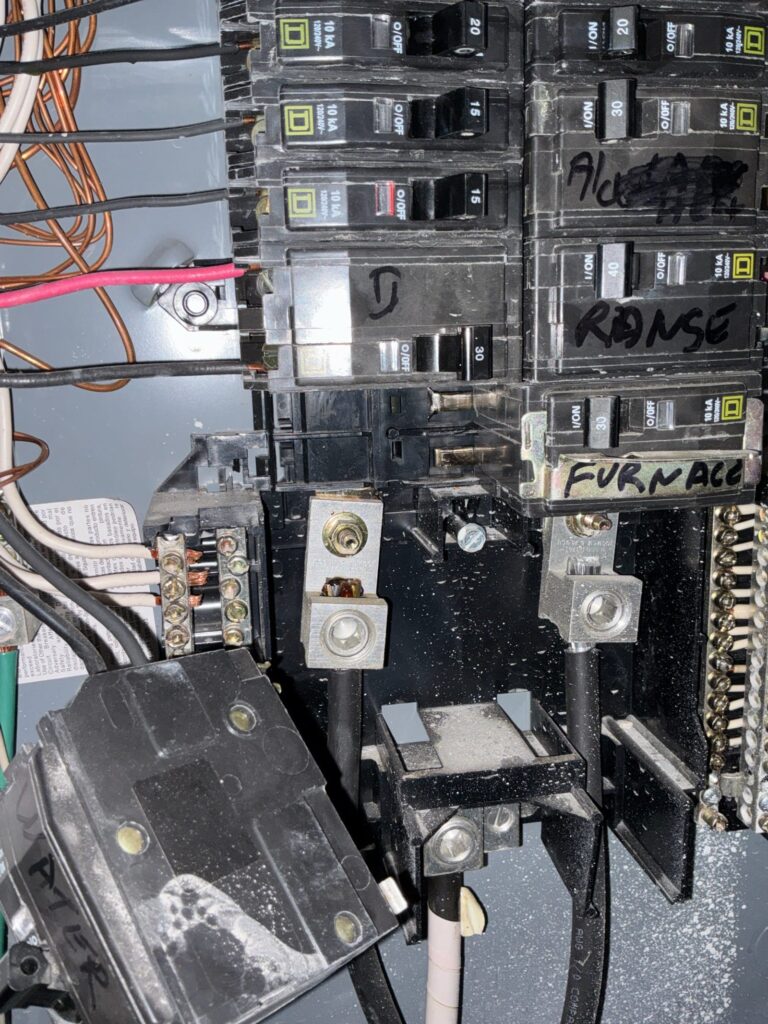
Our technician on-site performed a full visual safety inspection alongside the fan-wiring diagnosis. The Square D QO 125-amp panel was labeled properly, breakers were correctly sized, and no double-tapped breakers were present. Those are solid baselines. However, several areas stood out as opportunities for improvement.
Kitchen and GFCI Protection
The team traced the homeowner’s secondary concern, a garbage disposal outlet that had stopped working, to a dead kitchen outlet. More importantly, the kitchen receptacles lacked GFCI protection entirely. Under NEC 210.8, GFCI protection is required at all kitchen countertop receptacles in dwelling units. Homes of this vintage were often wired before that requirement was expanded, so this is consistent with what we see in many older Central Florida homes. Updating to GFCI devices is a straightforward improvement that brings the kitchen in line with current standards.
Backstabbed Outlets and AFCI Gaps
The inspection also turned up backstabbed receptacle connections, a common installation shortcut used in homes wired before roughly 2005. Over time, the spring tension in backstabbed connections tends to ease, contact resistance climbs, and you get the kind of intermittent behavior that can make outlets feel unreliable. Replacing them with properly screw-terminated connections is a durable, lasting fix. Additionally, the home lacked AFCI protection on branch circuits, which NEC 210.12 now requires in living areas, bedrooms, and kitchens of dwelling units.
Smoke Detectors and Grounding System
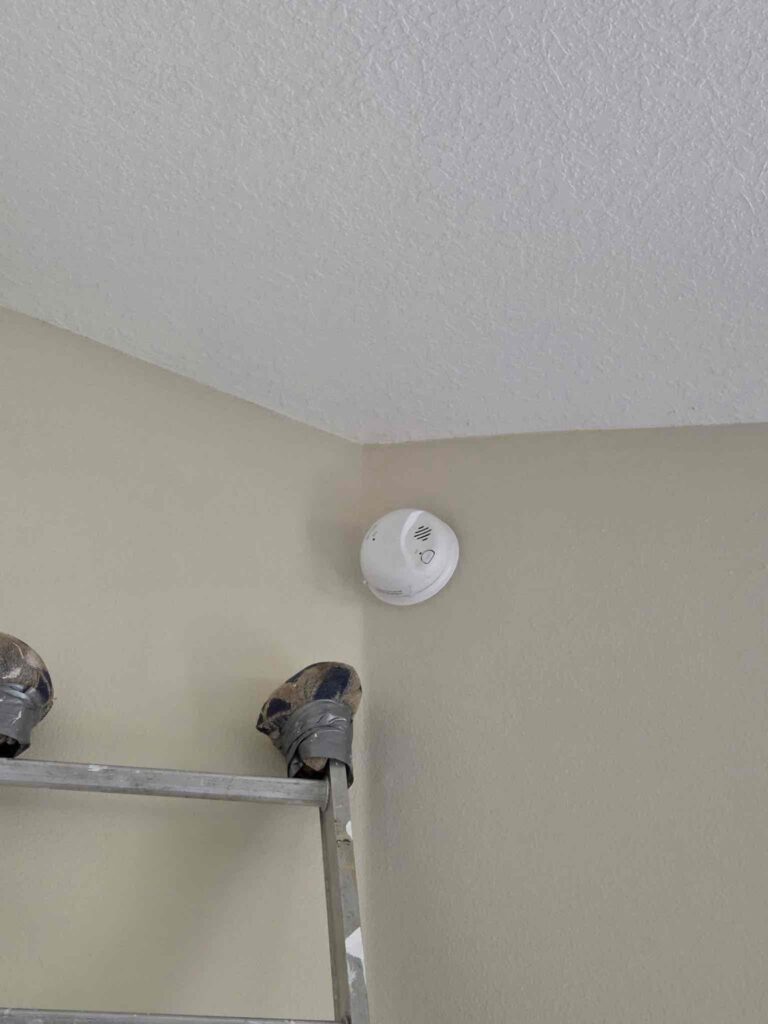
The existing smoke detectors didn’t meet current placement and interconnect requirements under NFPA 72. The grounding system was present and the outlets tested as grounded, but the grounding electrode system itself showed signs of age and was noted as a concern worth addressing. No whole-home surge protection was present, something worth adding given Central Florida’s active lightning season.
What We Fixed
On this visit, our crew investigated all findings and prepared a detailed options summary for the homeowner. No repair work was performed at this time, after reviewing the full scope, the homeowner decided to schedule the electrical improvements for a later date. The written inspection report covers every item: the fan switch wiring in all five rooms, the kitchen GFCI upgrade, backstabbed outlet replacements, AFCI circuit protection, smoke detector modernization, grounding electrode system update, and a whole-home surge protective device.
When the homeowner is ready to move forward, the roadmap is already in hand.
Why This Electrical Inspection Matters for Oviedo Homeowners
Ceiling fan calls often turn into something more, and that’s not a bad thing. When a family calls about a switch that isn’t working, finding additional items during the inspection means we can address everything in one coordinated visit rather than returning multiple times. For a household managing daily routines across five rooms, having fans and lights respond to wall switches the way they’re supposed to is a small but meaningful comfort.
Beyond the fan wiring, GFCI-protected kitchen outlets are one of the simplest upgrades a home can receive. They meet today’s code, and they mean the kitchen works the way any modern kitchen should, reliably, without second-guessing an outlet near the sink. Similarly, interconnected smoke detectors mean every room in the home responds together, so the whole household is aware the moment anything changes.
Furthermore, homes in Oviedo and throughout Central Florida face regular lightning and storm activity. A whole-home surge protective device, installed per NEC 230.67: gives appliances, electronics, and HVAC equipment a layer of protection that quietly works in the background through every storm season. With this foundation in place, the home keeps running the way the family expects it to, comfortably and consistently, year after year.
Code Compliance Cited in This Job
Every fix above maps to a specific section of the 2020 NEC, the edition Florida enforces under the 8th Edition Florida Building Code. Florida adopts the 2023 edition of the NEC when the 9th Edition takes effect on December 31, 2026. Each card links to NFPA’s public NEC index.
GFCI Protection for Personnel
The kitchen receptacles in this Oviedo home lacked GFCI protection, which NEC 210.8 requires at all countertop receptacles in dwelling-unit kitchens. This is common in homes wired before the requirement was broadened in later code cycles. Adding GFCI devices brings the kitchen fully in line with current standards. NFPA reference ›
AFCI Protection
The inspection found no AFCI protection on branch circuits serving the living areas and bedrooms of this home. NEC 210.12 requires arc-fault circuit-interrupter protection on these circuits in dwelling units. Installing AFCI breakers in the Square D QO panel is a straightforward upgrade that addresses this gap. NFPA reference ›
Surge Protective Device at Service
No whole-home surge protective device was present at the time of inspection. NEC 230.67 now requires an SPD at the service for all new and substantially modified dwelling-unit services. Given Central Florida’s high lightning activity, adding a Type 2 SPD to the Square D QO panel is a practical reliability upgrade. NFPA reference ›
Replacement Receptacle Requirements
Backstabbed receptacles identified during this inspection are candidates for replacement. NEC 406.4 (D) specifies that when receptacles are replaced in existing dwellings, they must comply with current requirements, including proper termination methods. Screw-terminal connections provide a more reliable, longer-lasting contact than the spring-clip backstab method. NFPA reference ›
Grounding Electrode System
The grounding electrode system was flagged as a concern during inspection, present, but showing signs consistent with its age. NEC 250.50 requires a complete and properly bonded grounding electrode system for all dwelling-unit services. Modernizing this system ensures the home’s electrical foundation meets current standards. NFPA reference ›
Common Questions
Questions homeowners ask after seeing this kind of work.
Can ceiling fan light switches be fixed without rewiring the entire room?
In many cases, yes. If the fan was wired with a two-conductor cable, the switch loop may need a neutral added to properly separate fan and light control, a targeted repair rather than a full room rewire. The scope depends on the existing wiring method and how the switch boxes are fed. Our team can assess all five rooms and give you a clear picture of what’s involved. Schedule online to set up a same-day or next-available appointment.
Why do kitchen outlets need GFCI protection, and what happens if they don’t have it?
GFCI protection is required by NEC 210.8 at all countertop receptacles in kitchens because those outlets are near water sources. Homes wired before the requirement was expanded may simply never have had them installed, it’s a product of the era, not a sign of poor workmanship at the time. Updating to GFCI outlets or a GFCI breaker brings the kitchen in line with today’s code and adds a reliable layer of protection that modern homeowners expect. Book a kitchen outlet inspection and we can handle the upgrade in a single visit.
What are backstabbed outlets and should I be concerned about them?
Backstabbed connections use a spring-clip slot on the back of the outlet instead of a screw terminal. They were a common and accepted shortcut for many years, and homes of a certain age often have them throughout. Over time the spring tension can ease and contact resistance increases, which may cause outlets to feel intermittent or unreliable. Replacing them with screw-terminated connections is a straightforward fix that restores consistent performance. If your home is the same vintage, it’s worth having a licensed electrician take a look before the next storm season.
How often should I have my home’s electrical system inspected?
Once a year is a good baseline for most homes. Older homes built before 1990 and homes that have weathered recent storms may benefit from inspections more frequently, since aging components and weather stress can introduce new concerns between annual visits. A yearly inspection also helps you stay ahead of any work that needs a permit or code update before you sell. Schedule your annual inspection online. Most visits take less than an hour.
Does a whole-home surge protector really make a difference in Florida?
Central Florida consistently ranks among the highest lightning-activity regions in the country, and a single nearby strike can send a voltage spike through every circuit in the home simultaneously. A Type 2 surge protective device installed at the panel, as now required by NEC 230.67 for new services, gives your appliances, HVAC system, and electronics a quiet layer of protection that works through every storm. Your refrigerator, AC, and connected devices keep running the way you expect them to, season after season. Schedule online to add surge protection to your home.
Want to see more real jobs like this one? Browse our completed case studies or explore our services.