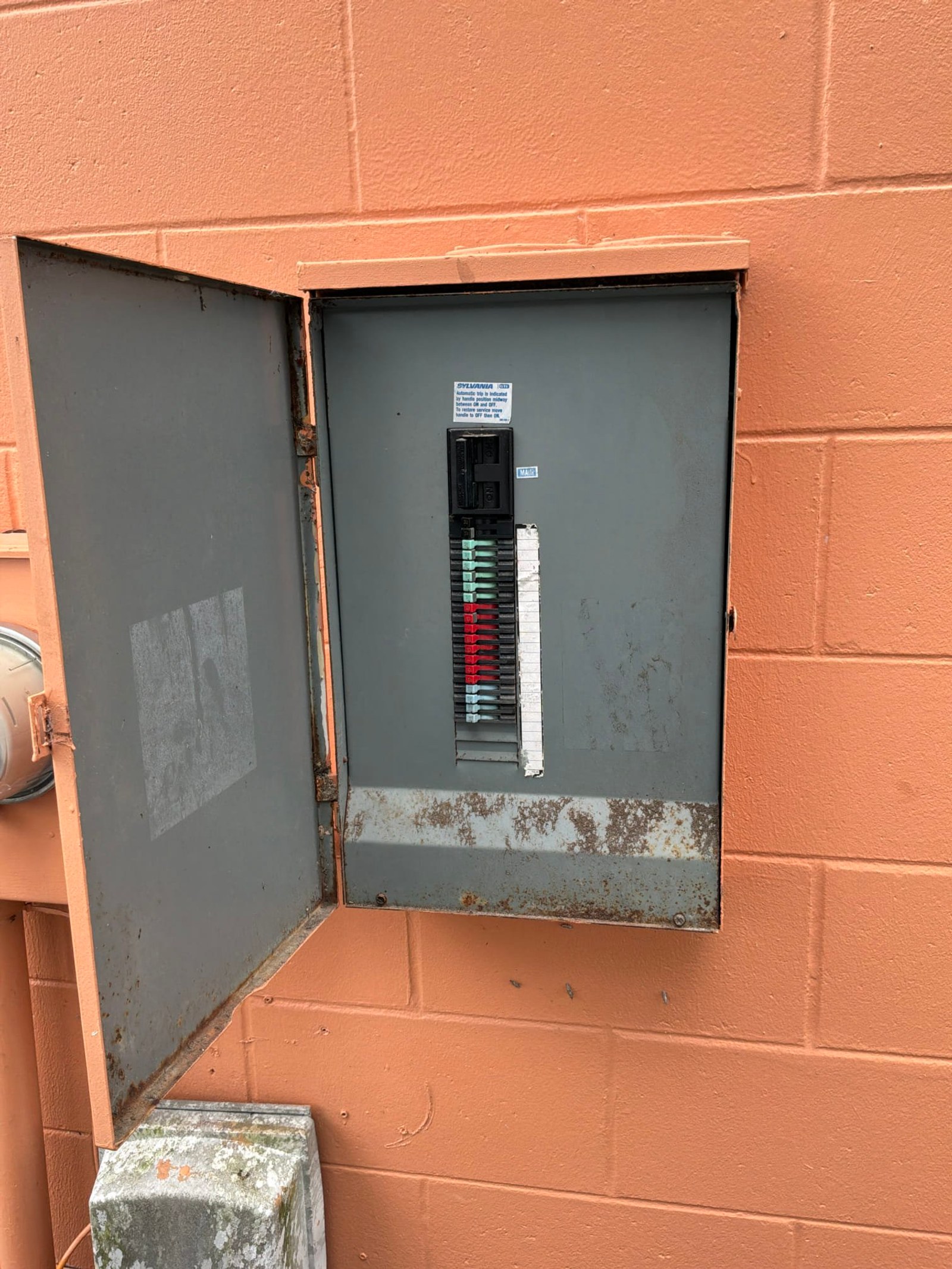
This Orlando outdoor panel replacement case study walks through the real diagnosis, the fix, and the code details from a recent service call. A homeowner in Orlando, FL (32826) called us on behalf of her daughter, who lives next door in a flat duplex. The outdoor electrical panel had seen better days, and the family wanted it replaced as soon as we had availability. When our field team arrived, the photos told a clear story: years of Florida weather had left their mark on the enclosure, and it was time for a proper modernization.
The Problem
The customer reached out with a straightforward request: replace an aging outdoor panel at her daughter’s home. She wanted someone on-site quickly, and we were happy to accommodate.
“She needs an old electrical panel replaced. It’s located outside. I’m looking for someone out as soon as possible.”
Investigation
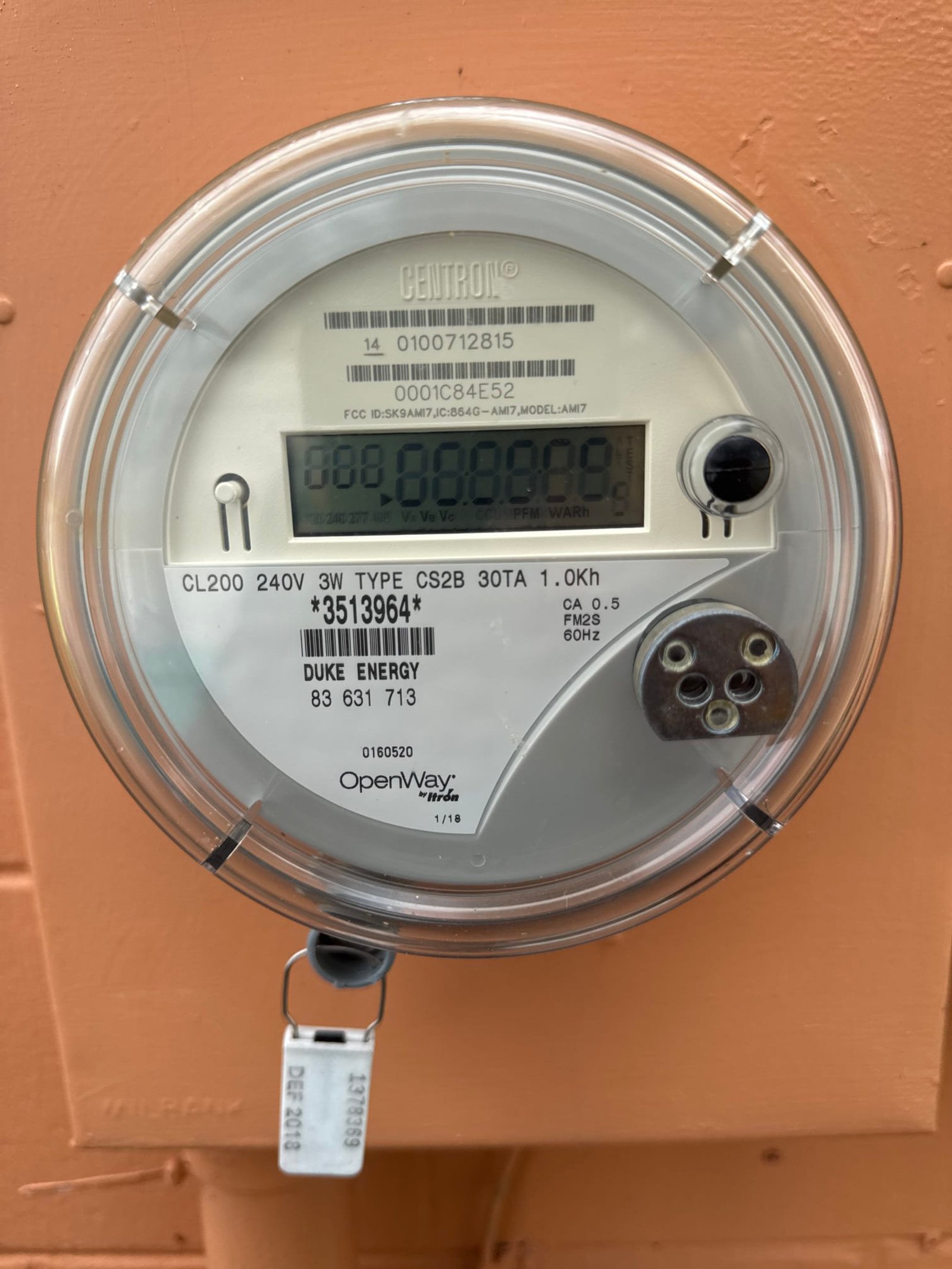
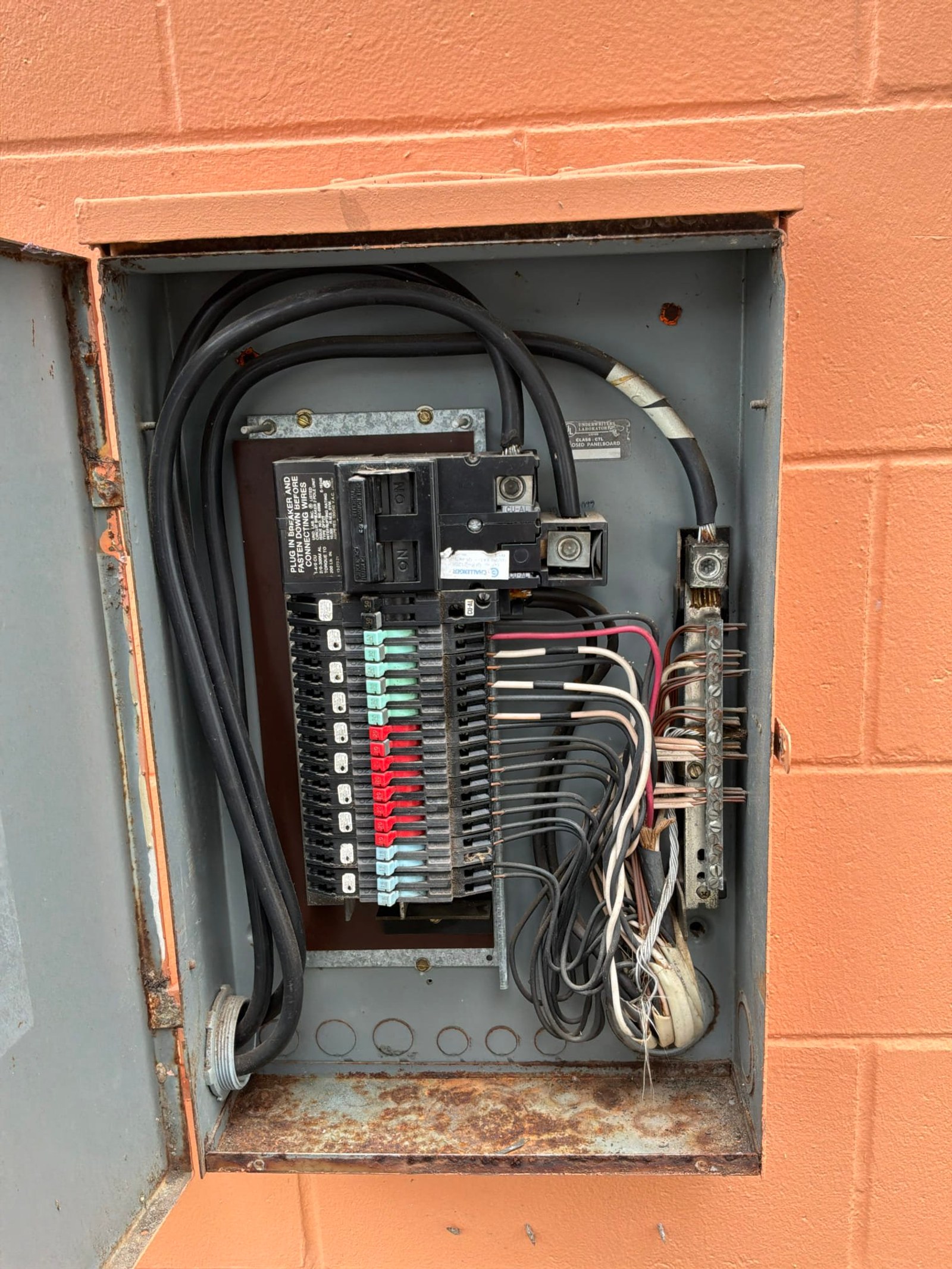
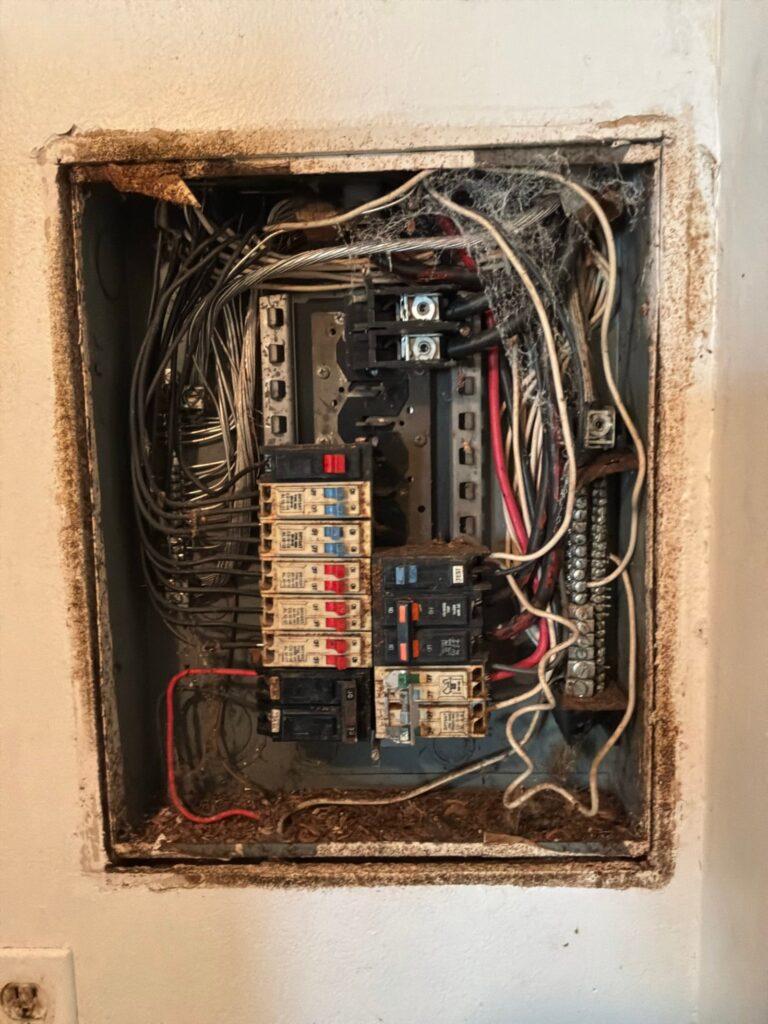
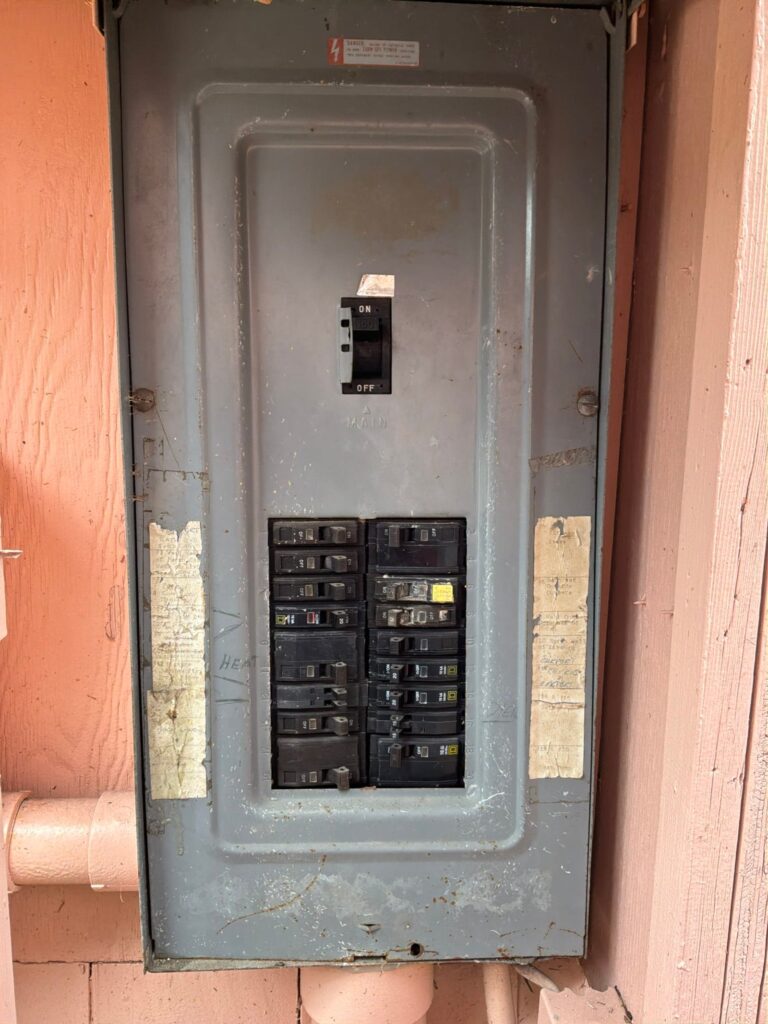
Once our technician on-site removed the deadfront, the interior told the same story as the exterior. The enclosure showed visible rust and weathering consistent with many years of exposure to Central Florida’s heat, humidity, and afternoon storms. Corrosion was present on both the terminations and the enclosure itself.
What the Photos Revealed
Photo documentation captured the weathered enclosure clearly. The outer shell showed rust along the lower edges, and with the deadfront removed, corrosion extended to the termination points inside. A Centron digital meter, rated 240V, 3-wire, served the panel and was registered with Duke Energy. The nameplate and digital display were both legible and provided useful service information.
Corrosion on terminations is worth addressing because contact resistance increases as metal oxidizes. Over time, that added resistance creates thermal stress on connections that were designed to carry current cleanly. This is especially common in outdoor panels throughout Florida, where enclosures face constant moisture cycling. The condition observed here was consistent with an enclosure that had been in service for many years without replacement.
Why Outdoor Panels Age Faster in Florida
Florida’s climate is particularly demanding on outdoor electrical equipment. UV exposure, high humidity, and frequent rain cycles accelerate oxidation on metal enclosures and the copper or aluminum terminations inside them. An enclosure showing this level of weathering is a straightforward candidate for replacement, and current installation standards call for equipment rated for the exposure conditions it will face.
What We Fixed
Our crew replaced the outdoor electrical panel, bringing the service up to current standards. The corroded enclosure and its compromised terminations were removed, and a new panel was installed in their place. The work addressed the corrosion conditions visible throughout the original enclosure and termination points, giving the home a clean, reliable service point that is properly suited to outdoor installation.
Why This Corroded Outdoor Panel Upgrade Matters for Homeowners
For a family living in a duplex, shared walls and neighboring meters mean that one home’s electrical service affects the daily comfort of everyone nearby. A panel in good condition means the household runs the way the family expects it to: lights on, appliances humming, AC keeping pace with August heat, all without interruption.
Corrosion on panel terminations is one of those behind-the-scenes conditions that can quietly affect reliability over time. Replacing the panel now means the daughter’s home starts fresh, with connections that are clean and an enclosure built to handle outdoor conditions. That translates directly to peace of mind for both households, knowing the electrical service is solid heading into the rest of storm season.
For any homeowner in an older Florida duplex or single-family home with an outdoor panel, periodic visual checks are worthwhile. If the enclosure shows rust, bubbling paint, or moisture intrusion, it is a good time to have a licensed electrician take a closer look. Florida’s Electrical Contractors’ Licensing Board maintains a public license lookup so you can always verify the credentials of the team you call. Resources from the Electrical Safety Foundation International also offer helpful guidance on what to watch for in residential electrical systems.
Code Compliance Cited in This Job
Every fix above maps to a specific section of NEC 2020. Each card links to NFPA’s public NEC index.
Electrical Connections
NEC 110.14(B) requires that conductors be spliced and terminated in a way that maintains a reliable, low-resistance connection. On this job, corrosion was visible on the terminations inside the outdoor enclosure, a condition that increases contact resistance over time. Replacing the panel addresses this directly by providing clean, properly rated termination points. NFPA reference ›
Surge Protective Devices at Services
NEC 230.67 requires surge protective devices at the service for new or replacement dwelling-unit services. Because this project involved replacing the service panel, current code asks that SPD protection be considered at the same time. This section ensures homes benefit from a baseline level of surge protection whenever a service is modernized. NFPA reference ›
Grounding Electrode System
NEC 250.50 requires that all available grounding electrodes at a structure be bonded together into a complete grounding electrode system. Panel replacement work is a natural point to verify that the grounding electrode system meets current requirements, particularly on older outdoor installations where components may have corroded alongside the enclosure. NFPA reference ›
Common Questions
Questions homeowners ask after seeing this kind of work.
How do I know if my outdoor electrical panel needs to be replaced?
Visible rust on the enclosure, corrosion inside near the breakers or terminations, breakers that trip frequently, or a panel that feels warm to the touch are all signs worth investigating. An outdoor panel in Florida faces constant moisture and UV exposure, so weathering shows up faster than it would indoors. If you are noticing any of these conditions, our team can take a look and give you a clear picture. Schedule online to get on the calendar.
Can a corroded electrical panel still function normally?
A panel may continue to operate even with visible corrosion, but oxidized terminations gradually increase contact resistance, which creates thermal stress on connections over time. The panel may appear to work while quietly delivering inconsistent performance. Addressing corrosion before it progresses further is the straightforward path to reliable, uninterrupted service. If your panel looks similar to what is described here, book a visual inspection so you know exactly where things stand.
How often should I have my electrical system inspected?
A yearly inspection is a solid baseline for most homes. Older homes built before 1990, or any home that has weathered a recent storm season, may benefit from more frequent check-ins given the additional wear those conditions place on wiring and equipment. Florida’s outdoor panels in particular deserve annual attention because of humidity and UV exposure. Our team can walk through the whole system in a single visit. Schedule online to set up your annual inspection.
Is it possible to replace just the outdoor enclosure without replacing the whole panel?
In some cases a weatherproof enclosure upgrade alone may be sufficient, but when corrosion has reached the terminations and the breaker connections inside, a full panel replacement is generally the more reliable long-term solution. Replacing only the shell while leaving corroded internal components in place would not fully resolve the underlying condition. Our technician can assess the extent of the corrosion and recommend the most practical path forward. Book a same-day inspection if you want a clear answer quickly.
What should I expect during an outdoor panel replacement?
The process typically involves a brief utility coordination period, removal of the existing enclosure and its components, installation of the new panel, and reconnection of all branch circuits. The work requires a short service interruption while the swap is made. Most residential outdoor panel replacements are completed in a single visit. If you are ready to move forward or have more questions, schedule online and our crew will walk you through the whole process before work begins.
Want to see more real jobs like this one? Browse our completed case studies, explore our services. Ready to book a visit of your own? Contact our Lake Mary office.