
Carbon monoxide has no color and no smell. It builds up whenever fuel burns badly, and the risk here looks nothing like the risk up north. Carbon monoxide detectors Orlando families need are not watching a furnace. They watch generators, garages and gas appliances.
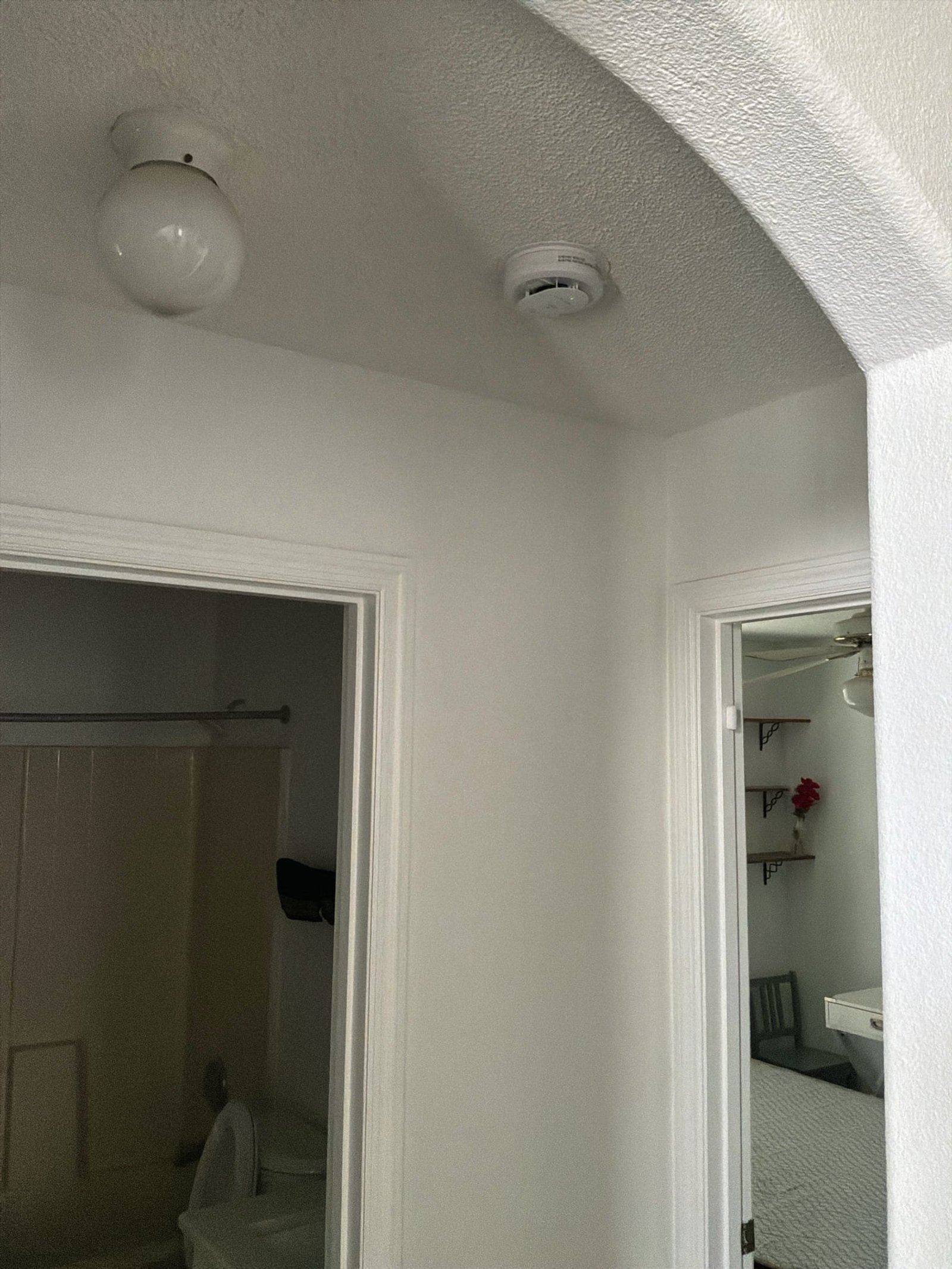
Where the Gas Comes From in a Florida Home
Most homes here run a heat pump or electric strip heat. Nothing burns indoors, so people assume the risk is zero. A few common items say otherwise.
- A portable generator running during or after a storm
- A gas or propane water heater, tankless models included
- Gas ranges, cooktops and outdoor kitchen burners
- Pool and spa heaters that burn gas or propane
- A car, truck or mower left running in an attached garage
- A grill used under a screened lanai or porch
The attached garage is the one people miss. Warm exhaust drifts through the wall and the door long after the car pulls away.
Raising the garage door does not fix it. Exhaust hangs under the ceiling and works its way inside. That gets worse when a bedroom sits above the garage.
Storm Season Is the Real Risk Window
Hurricane season runs June through November, and outages can last days. Generators come out, and poisoning cases follow. That pattern repeats after nearly every big Florida storm.
Placement is the whole game. Run a portable unit outdoors only. Keep it at least 20 feet from the house, with the exhaust aimed away from windows, doors and vents.
Screen rooms need their own warning. A lanai feels open, but the screen holds exhaust close to the house, and the slider leaks it inside. Never run a generator or a grill in one. Our guide to generator safety for storm season covers hookup and placement.
Lot size matters too. On a tight street, a neighbor’s unit under your bedroom window can raise levels in your home. An alarm is the only warning you get.
How Many Carbon Monoxide Detectors Orlando Homes Need
Put an alarm on every floor and outside each sleeping area. A two-story house with bedrooms upstairs and a guest room down needs at least three.
Add one near fuel-burning gear, but not right on top of it. A few feet of space cuts down on false alarms. When the instructions differ from a rule of thumb, follow the instructions.
Florida building rules call for alarms in new homes that have fuel-burning appliances or an attached garage. Older houses are usually not covered. Not covered is not the same as protected.
Hardwired and Linked Beats a Single Battery Unit
One battery alarm in a hallway wakes only the people who can hear it. Linked alarms sound together, so trouble at garage level wakes the upstairs bedrooms. The NFPA recommends that setup for exactly this reason.
Hardwired alarms with battery backup also end the dead-battery problem. Most carbon monoxide detectors Orlando electricians install today sense smoke and CO in one head, which cuts ceiling clutter.
Learn the sounds anyway. Smoke and CO alarms use different beeps, and most combination units say out loud which hazard they found.
See how a Maitland family got whole-home fire safety coverage in one visit. If you are weighing options, our look at hardwired versus battery smoke detectors applies to CO alarms too.
Care in a Humid, Dusty Climate
Humidity, remodeling dust and love bugs are all hard on sensors. Vacuum each housing every few months with a soft brush.
Press the test button once a month. Change batteries in any unit that still takes them, and use long-life lithium cells where the maker allows it.
Then check the date on the back. Sensors wear out, often in seven to ten years, and they do not fail loudly. Write the swap-out year on the housing with a marker.
Never paint an alarm. Never mount one in a return-air path either, where moving air thins out the sample.
The Symptoms Look Like Something Else
Early exposure feels like a summer bug. Headache, nausea, dizziness and fatigue all show up, and people blame the heat or a virus.
Two clues point at carbon monoxide instead. Several people in the house feel sick at the same time, and everyone feels better after stepping outside. Pets often act odd first, since small bodies react faster.
Anyone with a heart or lung condition reacts sooner, and so do children and older adults. If the pattern fits, get outside and call for help rather than waiting it out.
What to Do When an Alarm Sounds
Treat every alarm as real. Move everyone outside into fresh air, then count heads.
Call 911 from outdoors. Do not go back in to open windows or hunt for the source. Get medical help for anyone with a headache, dizziness, nausea, confusion or weakness.
After the fire crew clears the house, have the appliance and the wiring checked before you restart anything. ESFI, the Electrical Safety Foundation International, keeps simple checklists for that step.
Get the Wiring Done Right
Hardwiring and linking alarms means running cable through ceilings and finished walls. In a slab home with a tight attic, that job goes faster with a crew that does it weekly.
Our smoke and CO detector installation service covers placement, wiring, linking and testing. We can also match the units so every head speaks the same language.
Ready to hardwire the carbon monoxide detectors Orlando homes should already have? Call Thomas Edison Electric at (407) 490-0004. We hold Florida license EC13015487 and serve Orlando, Winter Park, Sanford, Longwood, Kissimmee and nearby towns.