
Storm season here runs from June into November. Outages can last hours or days after a big one, and a house without air conditioning gets rough fast. This guide covers the generators Orlando homes rely on, how to size one, and what the wiring involves.
Backup power is not only a hurricane story. A routine afternoon thunderstorm can knock out a street for half a day, and Central Florida gets plenty of those.
Standby or Portable?
A standby unit sits outside on a pad and starts on its own. It runs on natural gas or propane, so there are no fuel runs in the middle of a storm. Standby units are the generators Orlando crews install most often.
A portable costs far less up front. It needs gasoline, a safe spot well away from the house, and a proper inlet to feed your circuits. Never run one in a garage, even with the door open.
Fuel drives much of this choice. Natural gas lines reach some Orlando and Winter Park streets but not all of them, so propane is the usual answer elsewhere. Gasoline gets hard to find once a storm track is posted, which is one reason many families move up to a standby unit.
If you go with propane, ask how long your tank will run the machine at the loads you plan to carry. A bigger tank buys you days instead of hours after a landfall. Delivery trucks also get busy right after a storm, so a full tank in May is cheap insurance.
Home batteries are a third path. They run silently, need no fuel, and switch over in an instant, but the stored energy is limited. In a long outage they lean on solar or on the grid coming back to recharge.
Size It for August, Not April
The big load in a Florida home is the air conditioner. A three- to five-ton system pulls a heavy surge at startup, and a unit that ignores that will stall on the first hot afternoon. Pool pumps, well pumps, and a second fridge add up as well.
List what you truly need before you shop:
- Air conditioning, or at least one zone of it
- Refrigerator and freezer
- Well pump or pool pump, if you have one
- Lights, outlets, and internet gear
- Medical equipment and a home office
- Garage door opener and a few fans
A load check turns that list into a real number. Guessing high wastes money, and guessing low leaves you hot.
A soft starter on the air conditioner can help. It smooths the surge the compressor draws at startup, so a smaller machine may still carry the AC. Your HVAC contractor and your electrician can tell you whether your system takes one.
You also do not have to back up every circuit. Many homes use a smaller sub-panel that carries only what matters, which keeps both the machine and the fuel bill smaller. Load management gear stretches a small unit further by dropping the pool pump while the AC runs, then handing the power back.
The Transfer Switch and the Permit
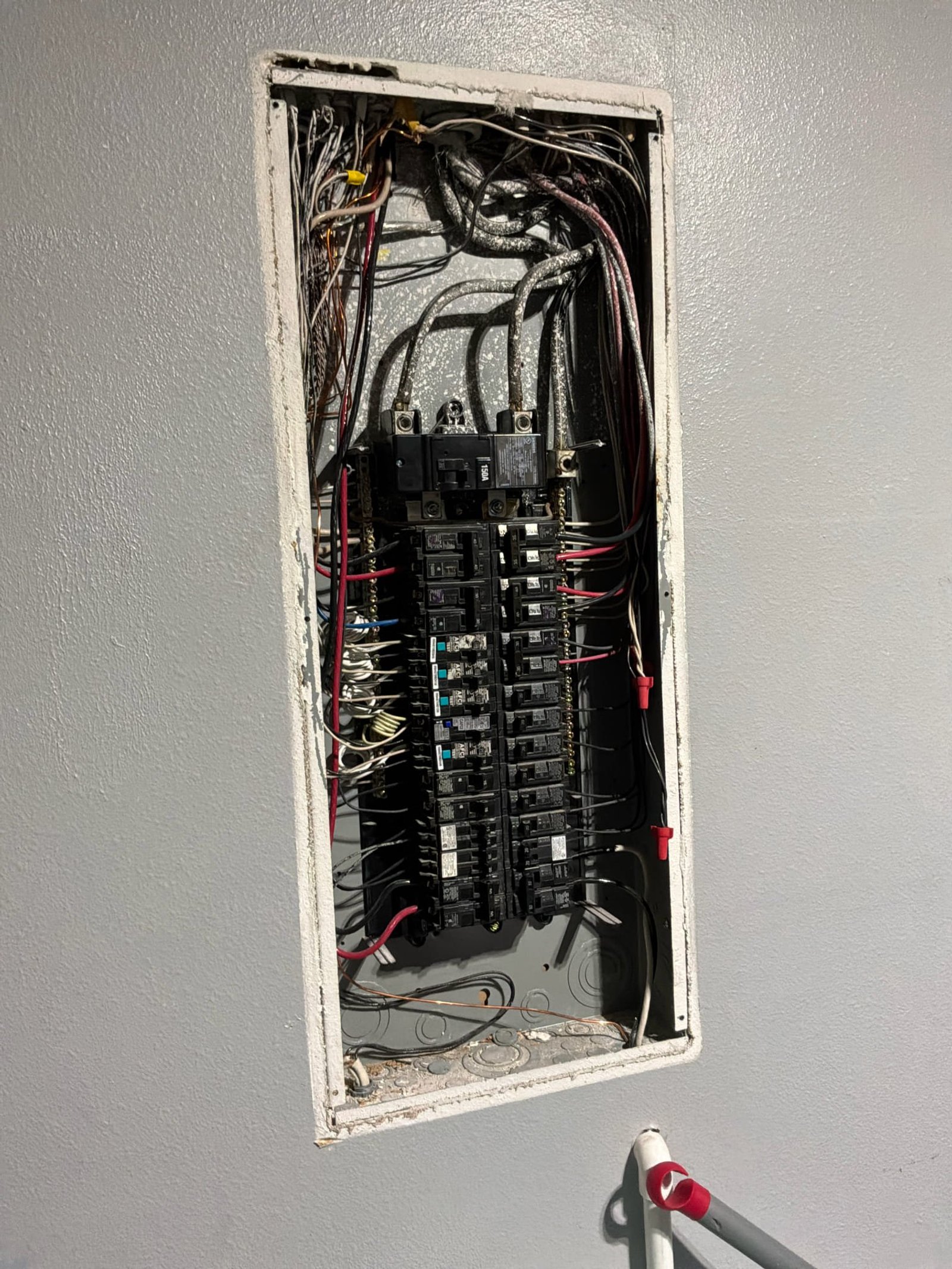
A transfer switch keeps your generator apart from the utility line. Without one, power can feed back to the street. That puts line crews in danger and can wreck your machine.
Automatic switches handle the swap on their own. Manual switches cost less and pair well with a portable. Either way, this is licensed work.
Orange, Seminole, and Osceola counties all require a permit and an inspection for the electrical side. That record helps at resale and with insurance claims. A licensed contractor files the paperwork for you.
Generators Orlando: HOA Rules, Placement, and Noise
Many neighborhoods in Lake Mary, Oviedo, and Winter Garden set rules on placement and screening. Sound limits come up too. Check with your board before you order anything.
Placement matters for safety as well. Keep the unit clear of windows, vents, and the AC condenser, and leave room on all sides so a tech can service it. Setback rules apply to the pad and to a propane tank.
A standby unit runs a weekly test, usually for ten to twenty minutes. Set that test for a weekday morning rather than a Sunday. Your neighbors will thank you.
Portable Generator Safety Basics
Portable units carry real risks, and the same mistakes show up every storm season:
- Run it outside only, well away from windows and doors.
- Never plug it into a wall outlet to feed the house.
- Use a heavy outdoor-rated cord in good shape.
- Let it cool before you add fuel.
- Keep working carbon monoxide alarms inside the house.
A permanent inlet box and an interlock make a portable much safer to use. That work takes an electrician and a permit. It is money well spent if you plan to keep the unit for years.
Keep It Ready, and Guard It From Surges
A standby unit exercises itself each week, but it still needs care. Oil, filters, and a battery check keep it starting, and a dead battery is a common reason a unit fails on the day you need it. We suggest a service visit each spring, before the season opens.
Power coming back after an outage is rough on electronics. So is a nearby lightning strike. A whole-home surge device at the panel guards the house either way.
In Apopka we opened a panel with no protection at all and fixed it in one visit, so see how we handled that home.
What Install Day Looks Like
We start with a load check and a walk of the property. Then we set the pad, coordinate the fuel line, and land the wiring. A transfer switch goes in beside the panel.
Our generator installation service covers the full job. Most homes wrap up in a couple of days, plus the inspection. Brands publish sizing tools that narrow the field before that visit, and generac.com is one place to start.
Our posts on generator safety for storm season and backup power for summer heat go deeper on both topics.
Schedule Your Generator Visit
Thomas Edison Electric serves Orlando, Apopka, Sanford, Kissimmee, and Altamonte Springs. We size, install, and service the generators Orlando families count on each storm season. Call (407) 490-0004 to book a visit. Florida license EC13015487.