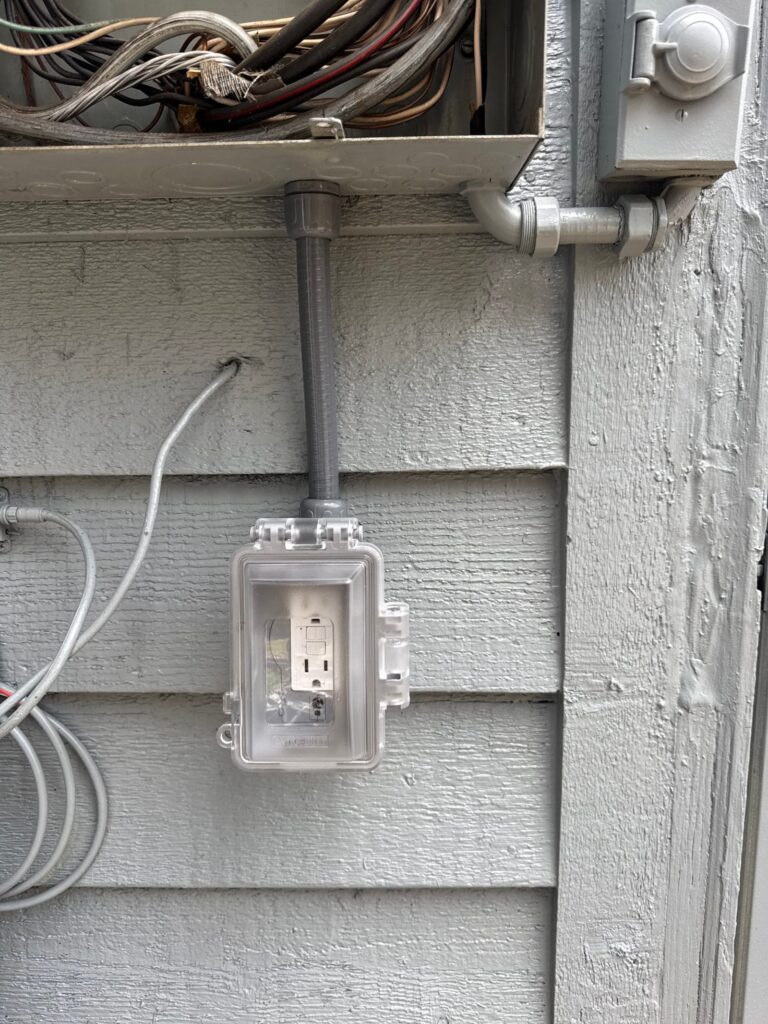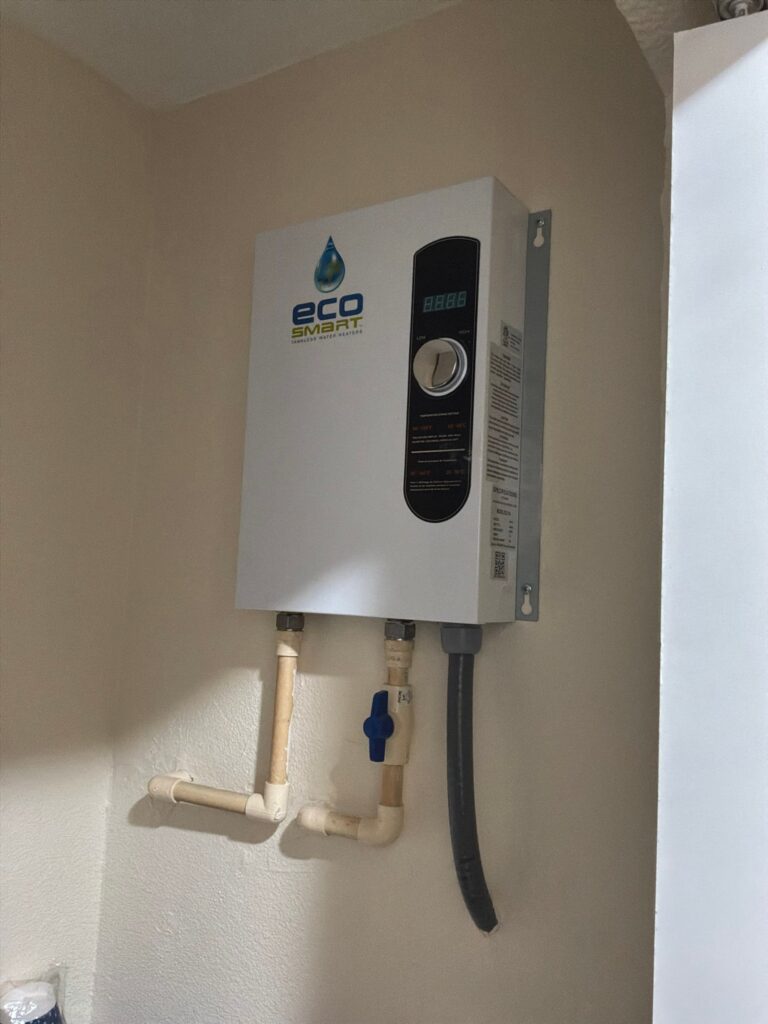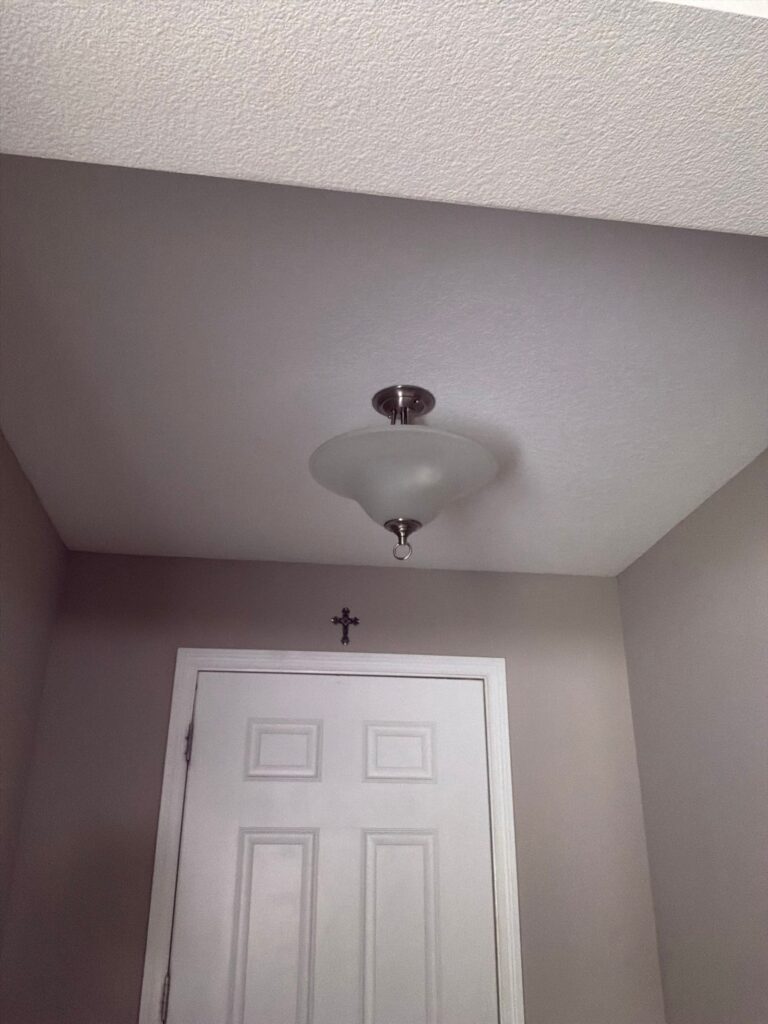
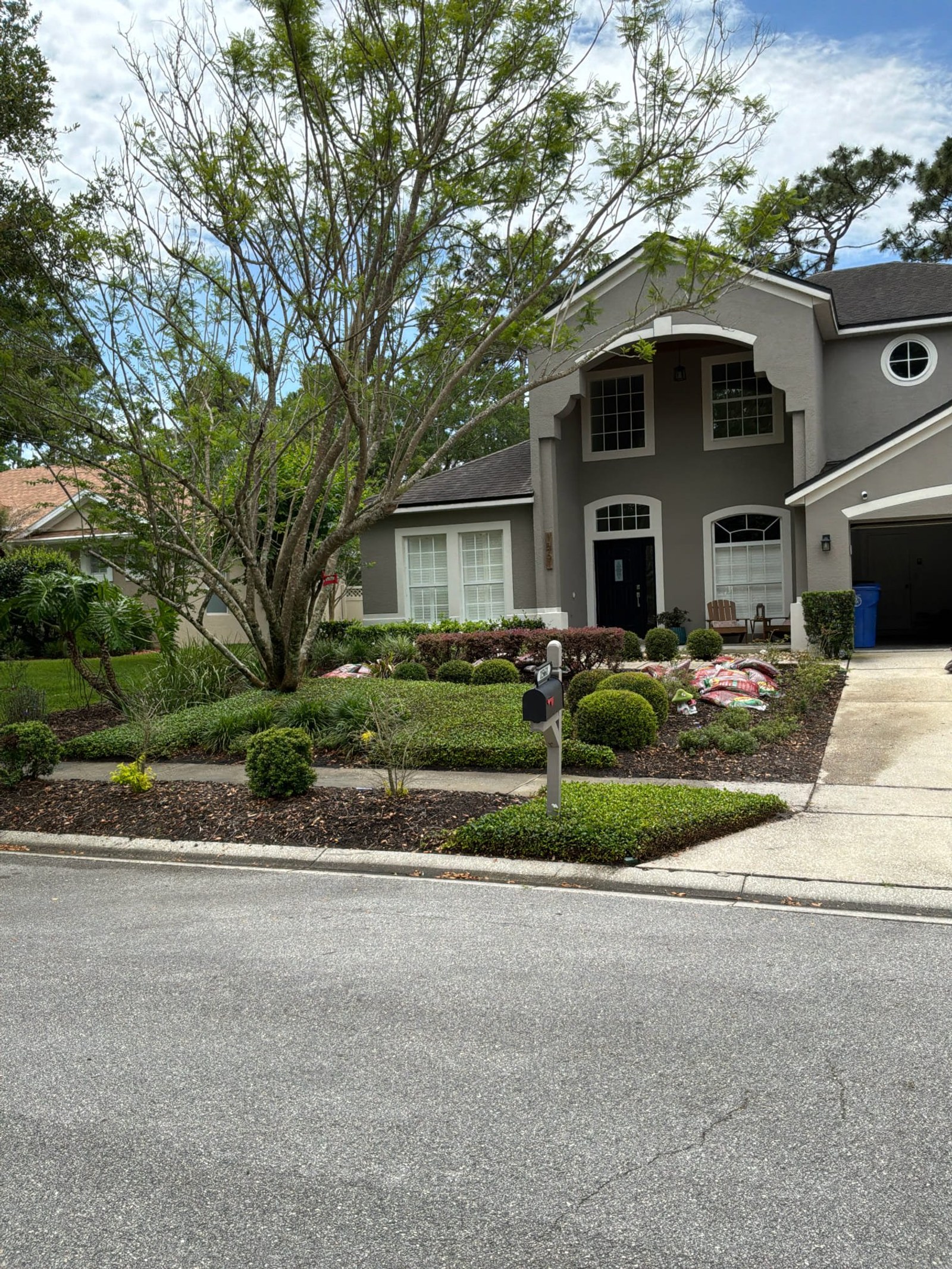
What follows is a real surge protection story from Oviedo, FL: the symptoms, the diagnosis, and the finished work. What started as a conversation about outdoor landscape lighting turned into a full-home electrical refresh for a homeowner in Oviedo, FL. When our field team arrived, a closer look at the panel and several interior locations uncovered a handful of items worth modernizing, and the homeowner took the opportunity to address everything in a single visit.
The Problem
The homeowner originally reached out looking for design input and an estimate on front-yard, walkway, and tree-accent landscape lighting. During the on-site assessment, our technician on-site found several unrelated items that had drifted out of step with current standards: a panel without whole-home surge protection, a few breakers due for replacement, aging smoke detectors, and a couple of device locations that needed fresh hardware.
“I’m interested in lighting for the front yard, walkway, and some accent lighting for trees. Also, please share if you offer design suggestions.”, a homeowner in Oviedo, FL
Investigation
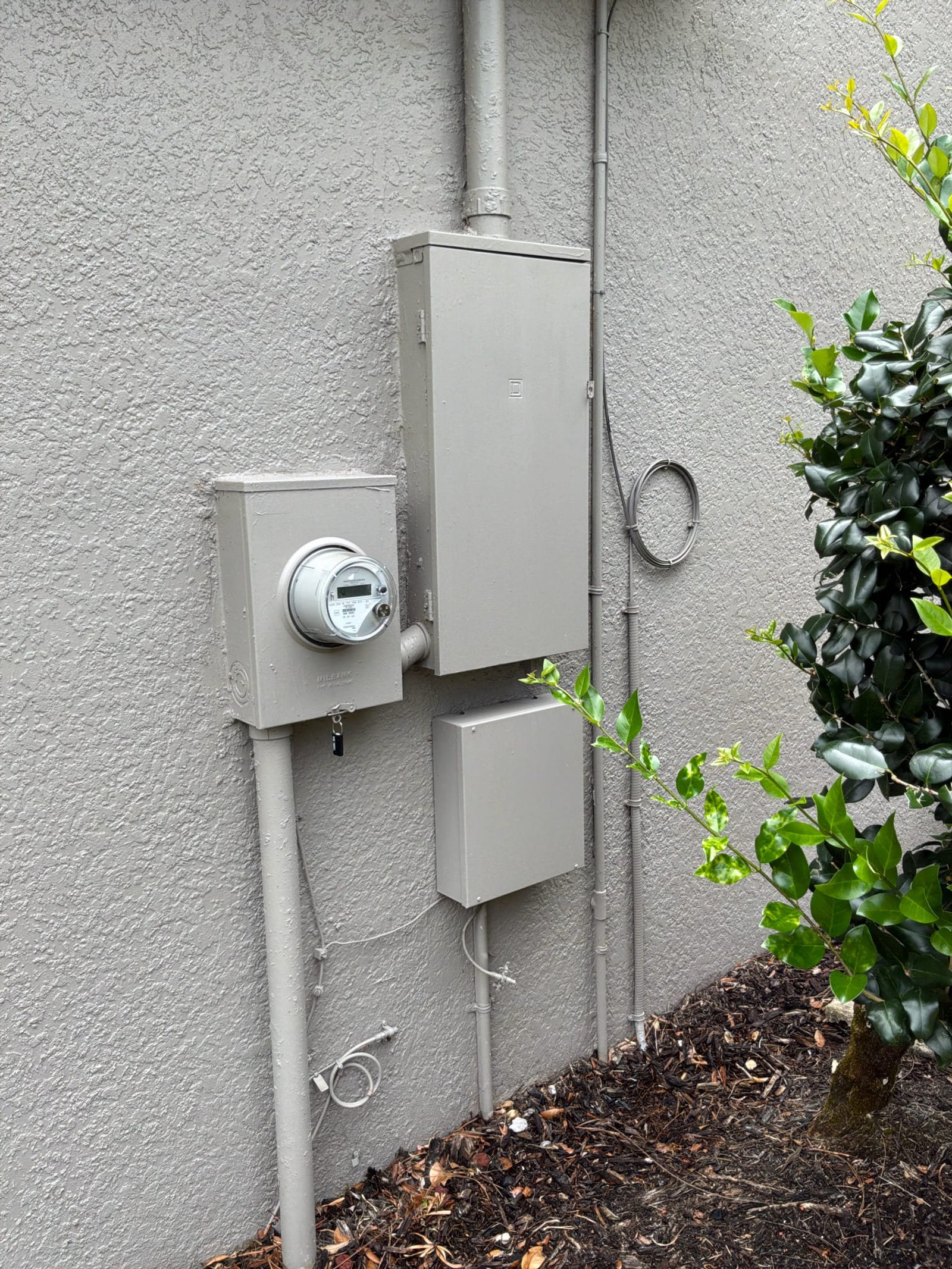
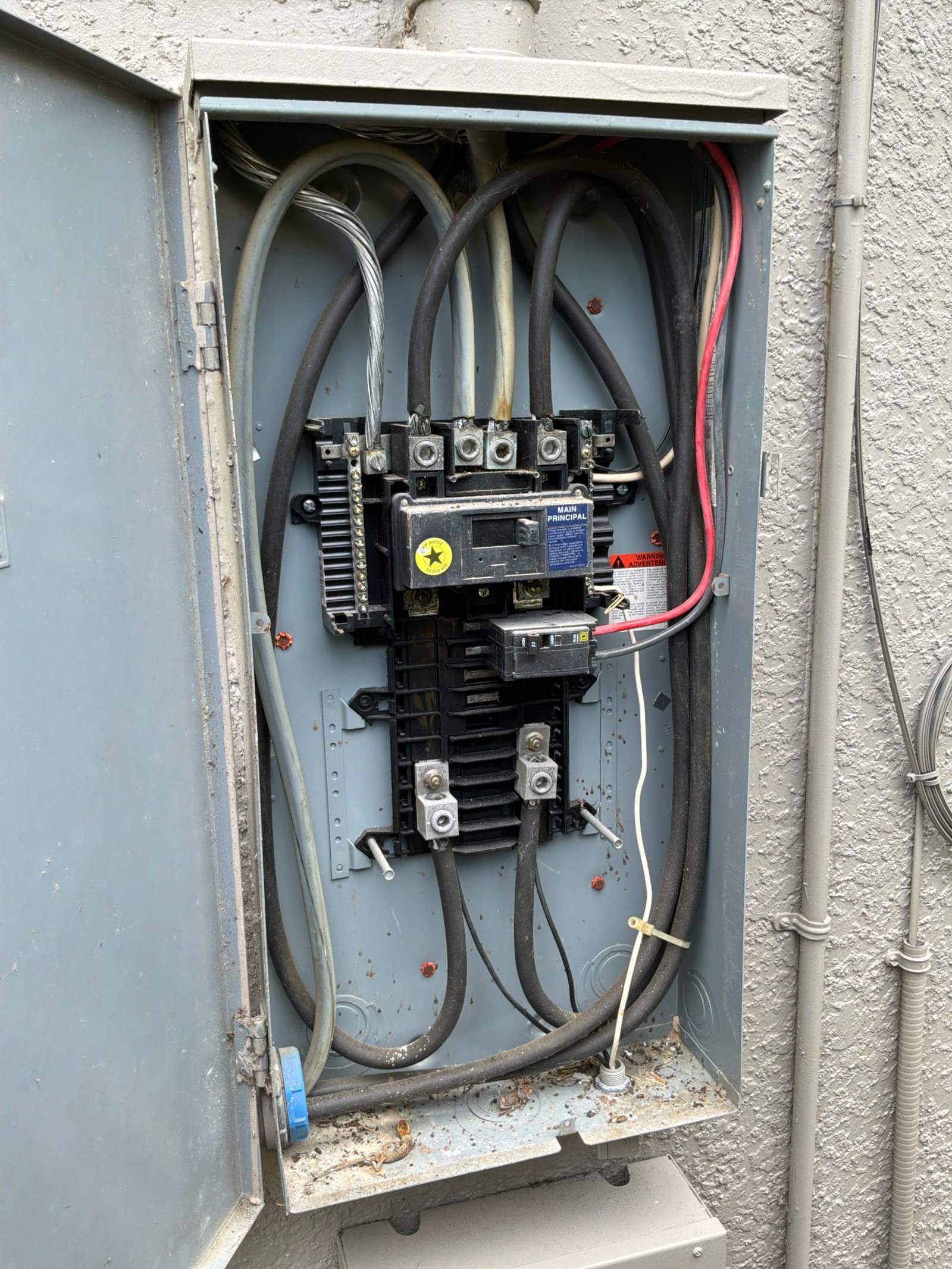
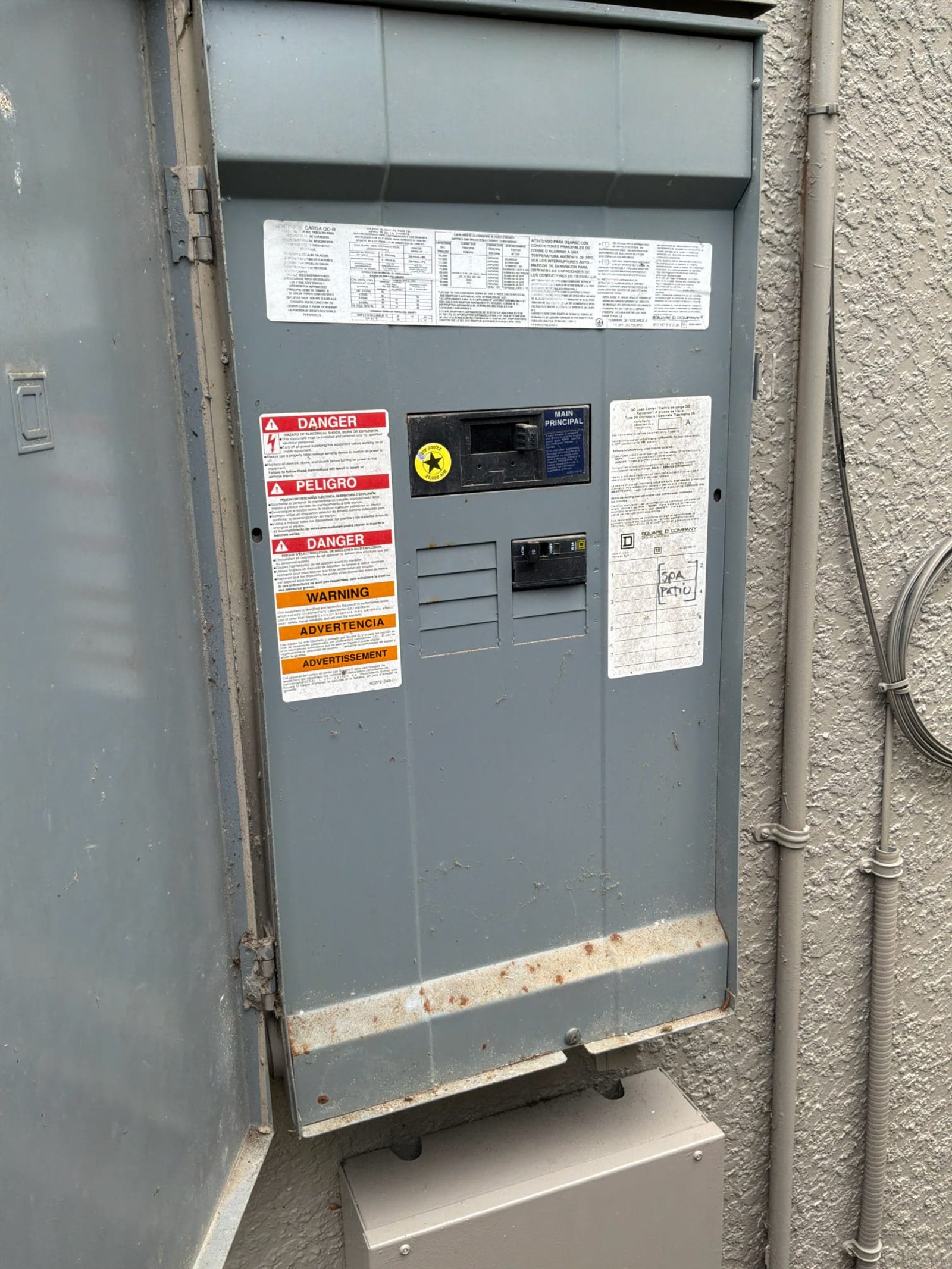
Our crew walked the home systematically. At the Square D HomeLine panel, two things stood out right away: no whole-home surge protective device was in place, and several breaker positions held original breakers that had seen years of cycling. Specifically, a 15-amp single-pole position and a 40-amp two-pole position were flagged for replacement. A GE THQP 30-amp two-pole breaker at another location also showed wear and was added to the list.
Inside the home, the team checked every smoke detector. Five units were original battery-operated models, the kind without interconnect or sealed lithium backup, consistent with a home that hadn’t had a full detector refresh in well over a decade. One outlet location lacked a proper single-gang box, and a nearby switch position needed a new Decora-style device. Additionally, one appliance cord needed a fresh 15-amp plug cap to restore a clean, code-compliant connection.
What We Fixed
Panel-Side Improvements
First, the team installed a PSP Vortex 120 kA whole-home surge protector directly onto the HomeLine plug-on-neutral panel. This Type 2 device sits at the service entrance and intercepts voltage spikes before they can travel to any branch circuit, keeping the refrigerator, AC, TVs, computers, and anything else plugged in throughout the home running smoothly through Florida’s frequent lightning events.
Next, the crew swapped the worn Square D HOM115 15-amp single-pole and Square D HOM240 40-amp two-pole breakers with fresh units of the same ratings. A GE THQP 30-amp two-pole breaker at a separate panel position received the same treatment. All connections were torqued to manufacturer specification per NEC 110.14(D), and the panel directory was verified and updated per NEC 408.4.
Detector Refresh
All five smoke/CO detectors were replaced with 120V smart combination smoke/CO units featuring 10-year sealed lithium battery backup and interconnect capability. When one detector senses a change, every unit in the home responds, so the whole household has awareness at once, not just the room where the detector sits. These units align with NFPA 72 interconnect and power requirements and also meet NEC 210.12 branch-circuit standards.
Device and Outlet Work
At the outlet location, the team installed a new single-gang old-work remodel box, a tamper-resistant 15-amp single receptacle, and a matching metal wall plate, bringing the location up to NEC 406.12 tamper-resistant standards. A new 15-amp Decora-style switch replaced the aging device at the adjacent switch position. Finally, a fresh NEMA 5-15P 15-amp plug cap was installed on an appliance cord to restore a secure, properly rated connection.
Why This Surge Protection Matters for Oviedo Homeowners
Oviedo sits squarely in Central Florida’s lightning belt. During storm season, the grid sees voltage spikes almost daily. Without a whole-home SPD, every one of those spikes travels unimpeded into every circuit in the house, the kind of cumulative thermal stress that shortens the life of appliances and electronics gradually, visit by visit. With the PSP Vortex in place, the family’s devices ride out every storm without skipping a beat.
Fresh breakers matter in a quieter way. Breakers are electromechanical components, they wear over years of tripping and resetting. Replacing units that show signs of age means the panel responds reliably to load changes, whether that’s running the AC, charging devices overnight, or eventually adding outdoor lighting circuits in the future.
For the household’s daily routine, the upgraded smoke/CO detectors may be the most immediately felt improvement. Five interconnected smart units mean that a parent in the kitchen, a child in a bedroom, and a family member in the garage all get the same notification at the same moment. That kind of whole-home awareness is something today’s families simply expect, and now this home delivers it. Per NFPA 72 and current NEC guidelines, interconnected detector coverage is the recommended standard for residential occupancies. The work also reflects the standards upheld by Thomas Edison Electric under Florida electrical contractor license EC13015487.
Code Compliance Cited in This Job
Every fix above maps to a specific section of the 2020 NEC, the edition Florida enforces under the 8th Edition Florida Building Code. Florida adopts the 2023 edition of the NEC when the 9th Edition takes effect on December 31, 2026. Each card links to NFPA’s public NEC index.
Surge Protective Device at Service
NEC 230.67 requires a listed surge protective device (SPD) at the service of all new dwelling units and recommends one for existing services undergoing upgrades. This Oviedo home’s HomeLine panel had no SPD in place before this visit. Installing the PSP Vortex 120 kA unit brings the service into alignment with this requirement. NFPA reference ›
Type 2 SPD Installation
NEC 285.25 governs how a Type 2 SPD must be connected at the load side of the service disconnect. The PSP Vortex was installed directly on the plug-on-neutral HomeLine panel, satisfying the placement and listing requirements for a permanently connected Type 2 device. NFPA reference ›
Electrical Connections: Torque and Terminations
NEC 110.14 (D) requires that terminals on listed equipment be tightened to manufacturer-specified torque values. When the crew replaced all three breakers (the Square D HOM115, HOM240, and GE THQP230), each lug and load connection was torqued to spec and marked, ensuring consistent contact resistance over the breaker’s service life. NFPA reference ›
Circuit Directory and Identification
NEC 408.4 requires that every circuit in a panelboard be legibly identified as to its purpose. After the breaker replacements, the field team verified and updated the panel directory so each position accurately reflects the circuit it protects, a small step that makes future service calls significantly faster. NFPA reference ›
Tamper-Resistant Receptacles in Dwellings
NEC 406.12 requires tamper-resistant receptacles throughout dwelling units. The new single receptacle installed at the remodeled outlet location is a tamper-resistant Pass & Seymour TR5251-W unit, meeting this requirement at the upgraded position. NFPA reference ›
AFCI Protection: Branch Circuits
NEC 210.12 requires AFCI protection on branch circuits in dwelling unit living areas and bedrooms. The smoke/CO detector circuits serving the home’s living spaces are wired on branch circuits that fall under this section’s scope, and the team confirmed circuit protection was consistent with requirements during the panel review. NFPA reference ›
Common Questions
Questions homeowners ask after seeing this kind of work.
What does a whole-home surge protector actually protect, and is one really necessary in Central Florida?
A whole-home Type 2 surge protector, like the PSP Vortex installed here, sits at the panel and intercepts voltage spikes from lightning, utility switching, and large motor starts before they reach any branch circuit. Central Florida consistently ranks among the highest lightning-activity regions in the country, so the exposure is real and year-round. With protection in place, the refrigerator, AC, entertainment systems, and smart-home devices keep running the way you expect them to, storm after storm. If your panel doesn’t have one yet, our team can usually install it in under an hour, schedule online to get on the calendar.
How often should I have my home’s electrical system inspected?
A yearly inspection is a good baseline for most homes. It catches small changes before they become larger ones. Homes built before 1990, homes that have recently weathered a significant storm, and homes where you’ve noticed flickering lights or tripping breakers may benefit from inspections more frequently than once a year. Think of it the way you’d think of an annual HVAC tune-up: a short visit that keeps everything running reliably through every season. Schedule a visual safety inspection and our licensed team will walk through the whole system with you.
When should smoke and carbon monoxide detectors be replaced, and does it matter which type I use?
Most manufacturers and NFPA 72 recommend replacing smoke detectors every 10 years and CO detectors every 7–10 years. Sealed-lithium combination units with interconnect capability are today’s recommended standard: the battery lasts the life of the unit, and every detector in the home signals at once if any one of them activates. If your detectors are more than a decade old or you’re not sure of their age, it’s worth a quick check. Our team can assess your current detectors and upgrade them in a single visit. Let us know what you’re working with.
Is it worth replacing breakers that haven’t tripped, or should I wait until there’s a problem?
Breakers that haven’t tripped in many years can actually be more of a concern than ones that trip occasionally. Repeated cycling is part of normal operation and keeps the mechanism exercised. Breakers that have sat dormant for a decade or more may not interrupt a fault as cleanly as a new unit would. Replacing worn breakers proactively keeps the panel performing the way the whole system depends on it to. If your panel is more than 15–20 years old, a quick review is worthwhile, book a panel inspection and we’ll let you know which positions, if any, are worth refreshing.
Can I add outdoor landscape lighting to an existing panel, or does it require a new circuit?
It depends on what’s already in the panel and what the landscape lighting design calls for. Low-voltage systems often connect to an existing outdoor circuit with a transformer. Line-voltage fixtures or larger accent-lighting setups typically need a dedicated circuit and a GFCI-protected outdoor receptacle per NEC 210.8. Either way, the right first step is a short on-site visit to look at the panel capacity and the planned lighting layout together. Schedule an estimate and our crew can design a landscape lighting plan that works with your home’s existing system.
Want to see more real jobs like this one? Browse our completed case studies or explore our services.