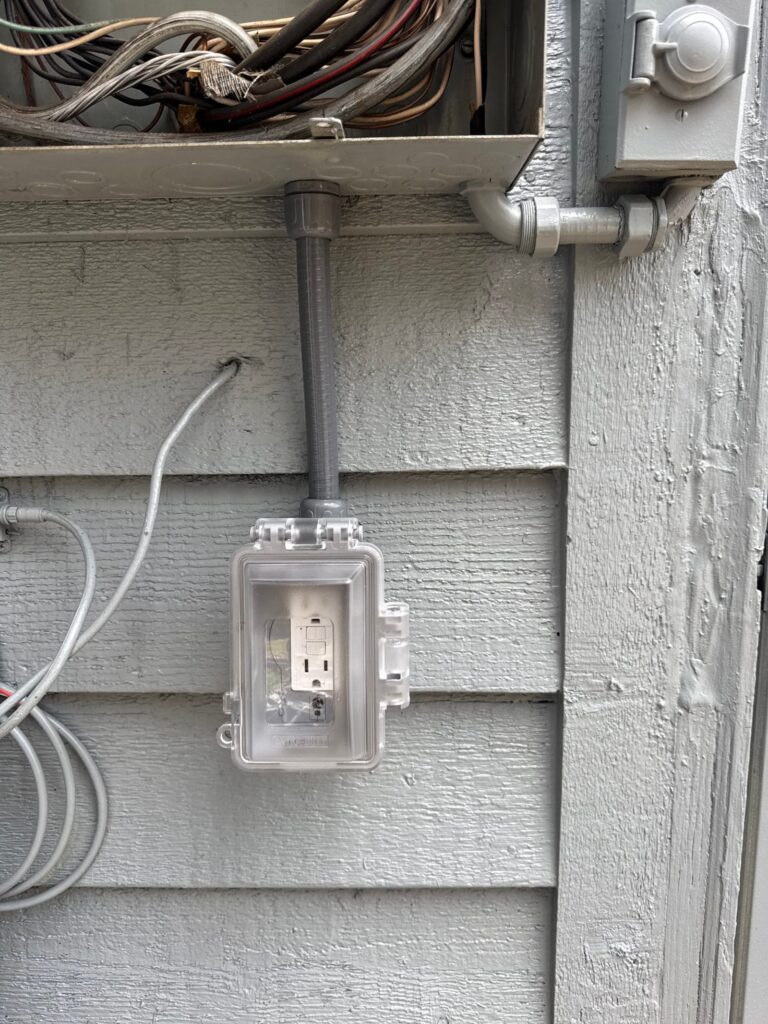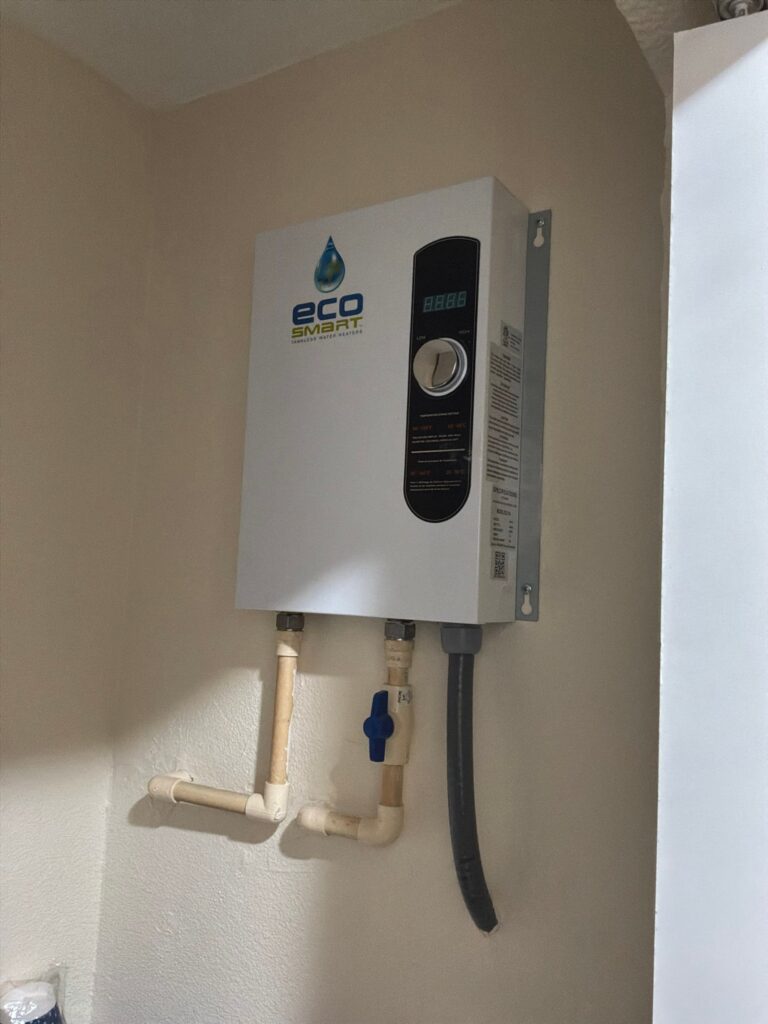
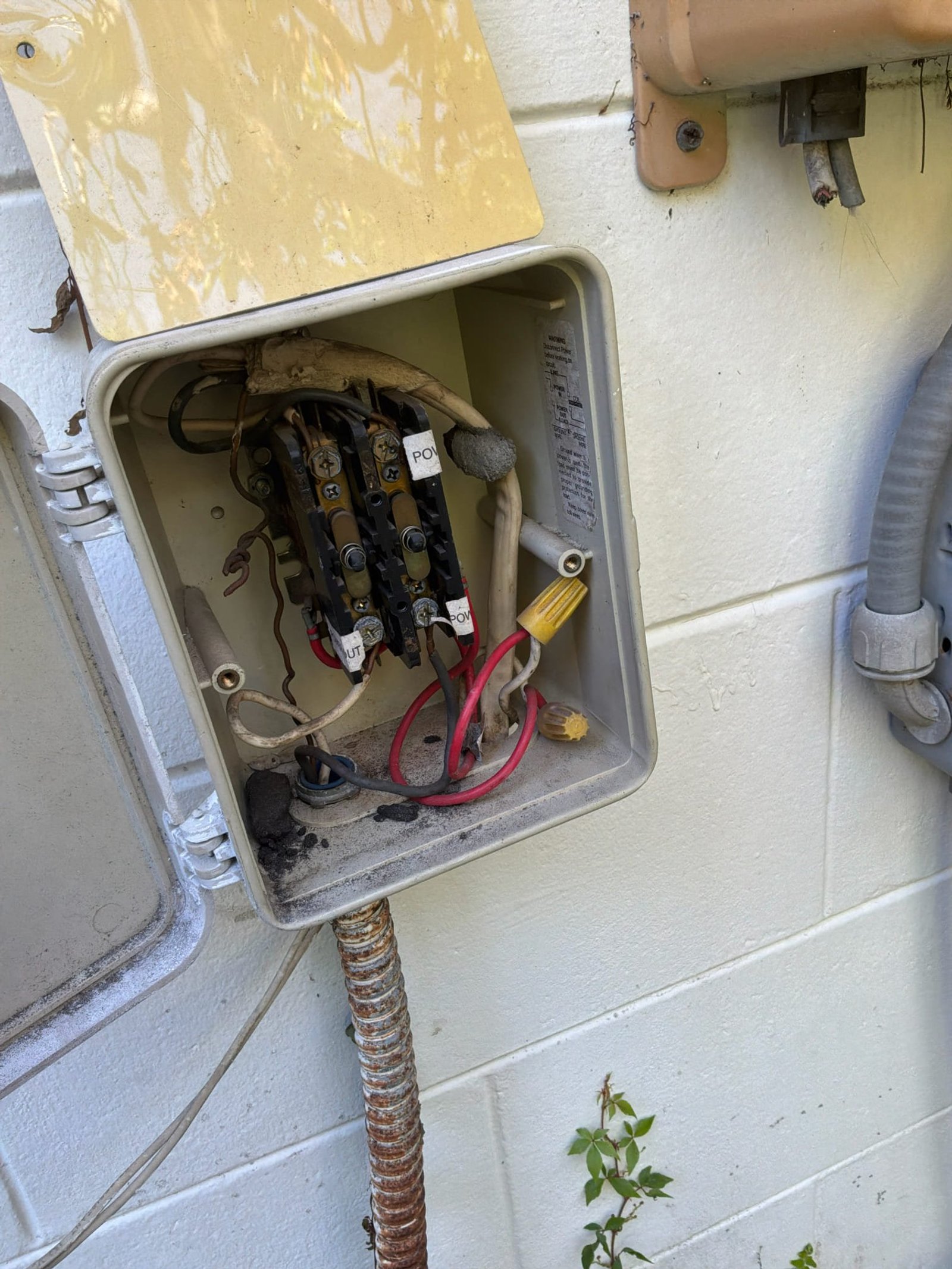
This case study follows a real pump circuit job at a Belle Isle, FL home – what we checked, what we found, and how we fixed it. A homeowner in Orlando called Thomas Edison Electric about their well pump that was integrated with their sprinkler system but kept overheating and shutting off. Our investigation revealed the pump was connected through a standard plug arrangement rather than being hardwired. This was causing thermal stress and unreliable operation. Additionally, we modernized the home’s electrical safety systems with whole-house surge protection and interconnected smart smoke detectors throughout.
The Problem
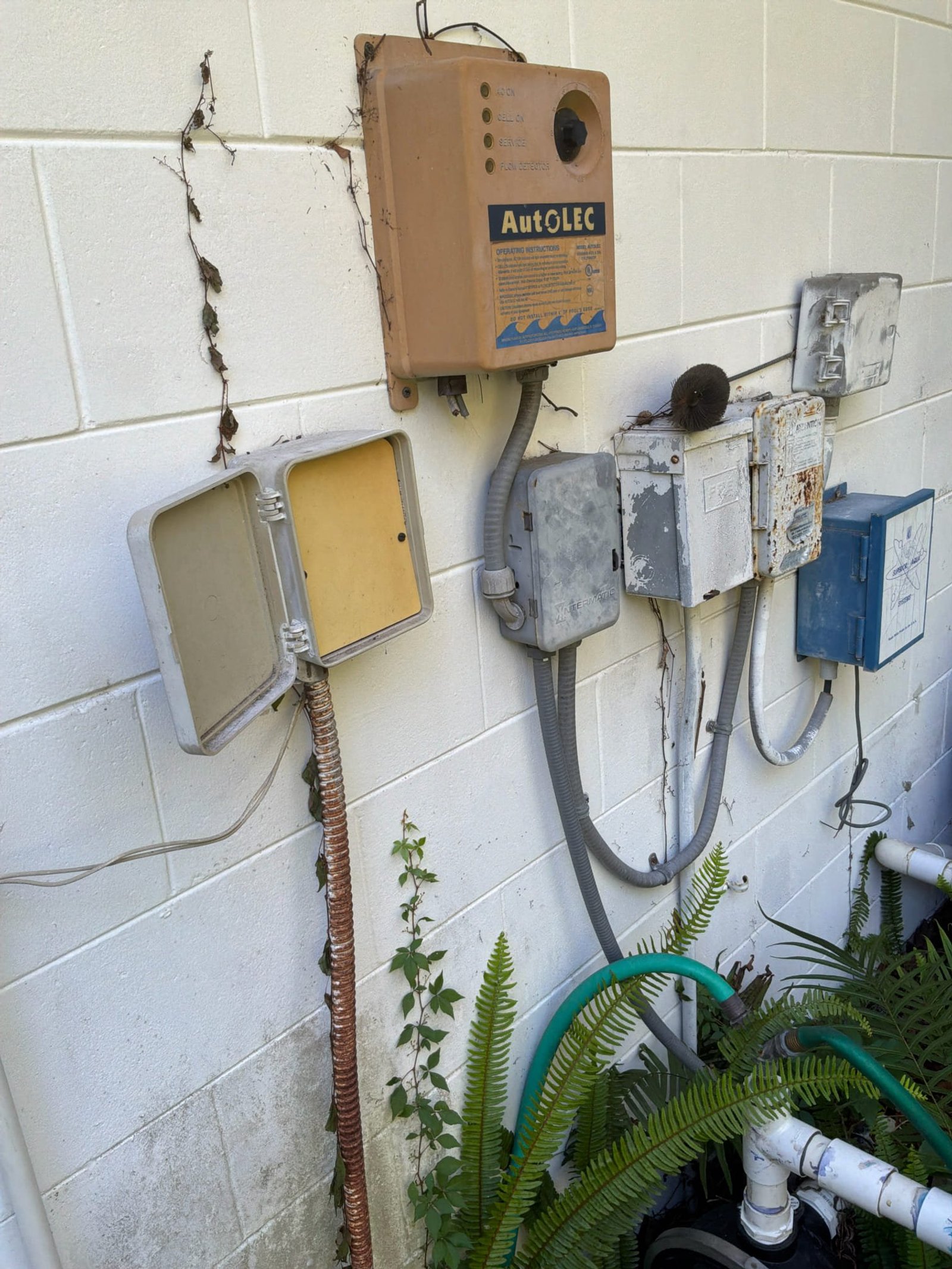
The homeowner explained their well pump was constantly overheating and shutting down during operation. The pump served both well water and irrigation needs. However, the electrical connection through a standard plug wasn’t providing the stable, dedicated power the pump required for continuous operation.
Investigation
Marc found the well pump was connected via a standard electrical plug rather than a hardwired connection. This setup created several issues. For example, the plug connection introduced resistance that generated heat under the pump’s continuous load. Additionally, the pump was sharing circuit capacity with other devices rather than having its own dedicated power source. Furthermore, the existing electrical system lacked modern safety features like whole-house surge protection in Orlando and up-to-date smoke detection.
What We Fixed
Dedicated Circuit for the Well Pump
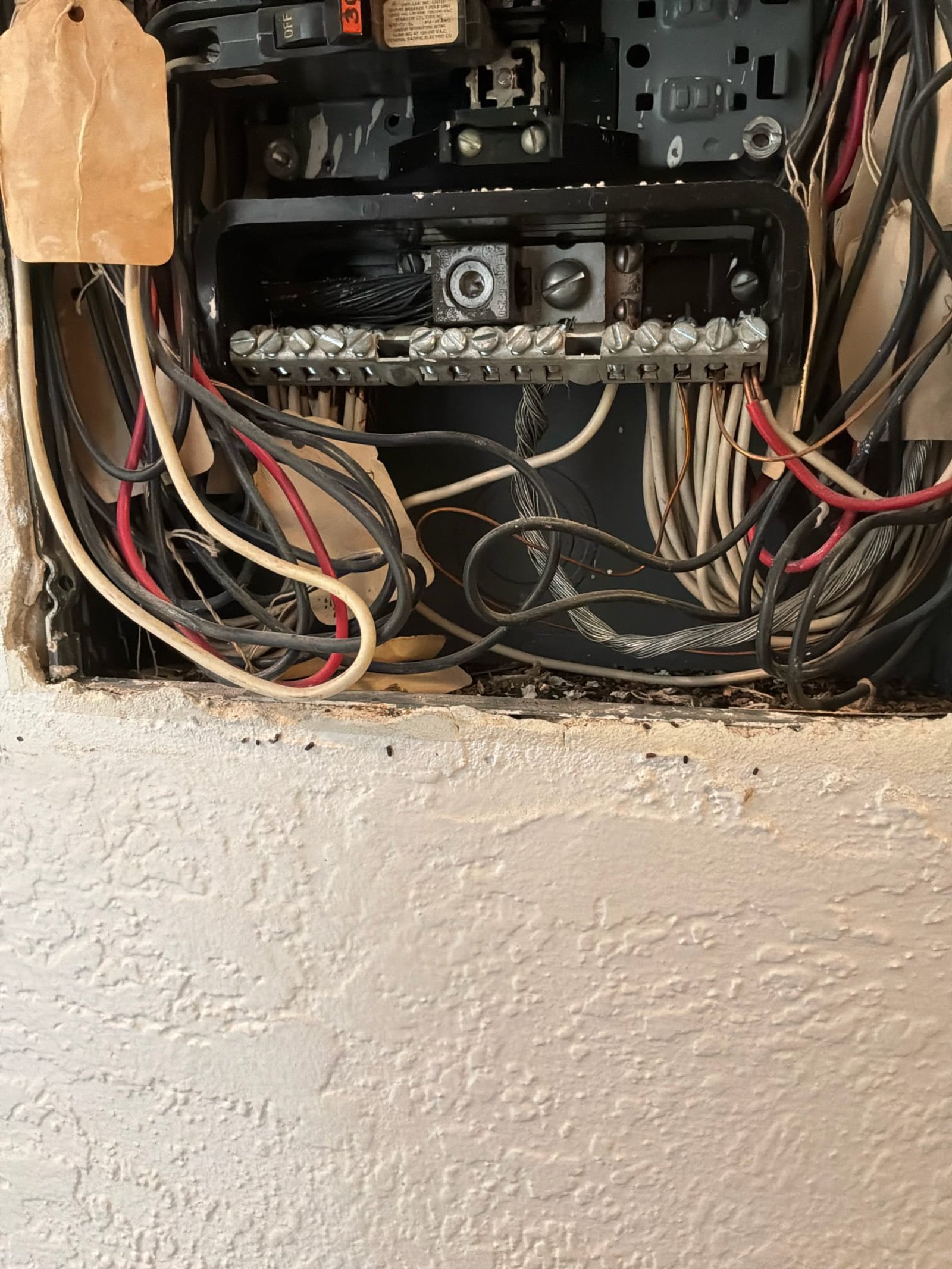
We hardwired the well pump with a dedicated 30-amp circuit using a GE THQP230 two-pole breaker. This eliminated the plug connection that was causing the overheating issues. As a result, the pump now has its own reliable power source. Additionally, we installed a new 15-amp single receptacle at an existing location and added a decorator-style rocker switch for improved system control.
Whole-House Surge Protection Installation
To modernize the home’s safety systems, we installed a PSP Vortex 120 kA whole-house surge protector directly onto the main panel. This protects all connected devices from voltage spikes that can damage sensitive equipment like well pump controls. In fact, surge protection has become essential for homes with electronic pump controls and automation systems.
Interconnected Smart Smoke Detector System
We also upgraded the home’s smoke detection system with five interconnected 10-year sealed lithium smart smoke/CO combination detectors. These units communicate with each other wirelessly. When one detects smoke or carbon monoxide, all units throughout the home sound their alarms simultaneously. This approach meets current smoke detector installation standards in Orlando.
Additional Panel Upgrades and Components
The project also included installing new Square D HomeLine breakers. We added both a 15-amp single pole and a 40-amp double pole unit to support the electrical modifications. All work was completed using tamper-resistant receptacles and professional-grade components designed for long-term reliability.
Why This Well Pump Circuit Matters for Belle Isle Homeowners
The Importance of Dedicated Pump Circuits
Well pumps and irrigation systems require consistent, dedicated power to operate efficiently. When these high-draw devices are connected through plugs or share circuits with other equipment, they often experience voltage drops. These drops lead to overheating and premature failure. In this case, hardwiring creates a direct, stable connection that allows the pump to operate within its designed parameters.
Modern Protection for Today’s Electrical Demands
Modern surge protection has become increasingly important as homes rely more heavily on electronic controls for pumps, HVAC systems, and other equipment. A whole-house surge protector installed at the main panel provides comprehensive protection that individual plug-in protectors can’t match. Moreover, interconnected smoke detectors ensure that occupants receive early warning regardless of where a fire starts in the home. These systems meet current safety standards that weren’t required when many homes were originally built. For homeowners concerned about overall electrical safety, an electrical safety inspection in Orlando can identify similar upgrade opportunities.
Code Compliance Cited in This Job
Every fix above maps to a specific section of the 2020 NEC, the edition Florida enforces under the 8th Edition Florida Building Code. Florida adopts the 2023 edition of the NEC when the 9th Edition takes effect on December 31, 2026. Each card links to NFPA’s public NEC index.
Surge Protective Device Installation
The PSP Vortex surge protector was installed at the service equipment to provide Type 2 protection for the entire electrical system. This location ensures maximum protection for all connected equipment including the well pump controls. Article 285 covers surge protective devices in the 2020 NEC that Florida enforces today; the same requirements move to Article 242 when Florida adopts the 2023 edition on December 31, 2026. NFPA reference ›
Motor Disconnecting Means Location
The hardwired well pump installation includes proper disconnecting means accessible from the equipment location, ensuring safe maintenance and emergency shutdown capability. NFPA reference ›
Smoke Alarm Interconnection
NFPA 72, the National Fire Alarm and Signaling Code, sets the placement and interconnection rules for household smoke and CO alarms. The five smart smoke/CO detectors were installed with wireless interconnection, so activation of any unit triggers all alarms throughout the home. NFPA reference ›
GFCI Protection Requirements
All new receptacle installations met current GFCI protection requirements for the specific locations and applications in this Orlando home. NFPA reference ›
Common Questions
Questions homeowners ask after seeing this kind of work.
Why do well pumps overheat when connected with plugs instead of hardwiring?
Plug connections create resistance points that generate heat under continuous loads. Well pumps draw significant amperage for extended periods, and even small amounts of resistance at plug contacts can cause thermal buildup. Hardwiring eliminates these connection points and provides the stable power these systems need. If you’re experiencing similar pump issues, schedule a diagnostic visit to identify the root cause.
How does whole-house surge protection differ from plug-in surge protectors?
Whole-house surge protectors install at your main electrical panel and protect your entire home from surges entering through utility lines. Plug-in protectors only shield the specific devices connected to them and can’t protect hardwired equipment like well pumps, HVAC systems, or built-in appliances. A comprehensive approach uses both types, starting with whole-house protection as the foundation. Book a surge protection consultation to learn what works best for your home.
Do smoke detectors really need to be interconnected throughout the house?
Yes, interconnected smoke detectors provide significantly better life safety protection because they all sound when any single unit detects smoke or carbon monoxide. This is especially important in larger homes or when sleeping areas are far from potential fire sources. Modern wireless interconnection makes this upgrade possible without running new wires between floors. Our team can assess your current smoke detection setup and recommend the best upgrade path.
How often should electrical systems in homes with well pumps be inspected?
Homes with well pumps benefit from yearly electrical inspections due to the continuous loads and outdoor connections these systems require. The combination of moisture exposure, constant cycling, and high amperage draw creates more wear on electrical components than typical household circuits experience. Additionally, pump control systems often include sensitive electronics that benefit from surge protection and proper grounding. Schedule your annual inspection to catch small issues before they become major problems.
What are the signs that a well pump needs dedicated wiring?
Common indicators include frequent breaker trips, the pump cycling on and off repeatedly, reduced water pressure during operation, or the pump feeling hot to the touch. You might also notice lights dimming when the pump starts, which indicates voltage drop from inadequate wiring. These symptoms often worsen over time as plug connections degrade and electrical contacts develop resistance. If you’re seeing any of these warning signs, book a pump electrical evaluation to prevent system failure.
Want to see more real jobs like this one? Browse our completed case studies or explore our services.