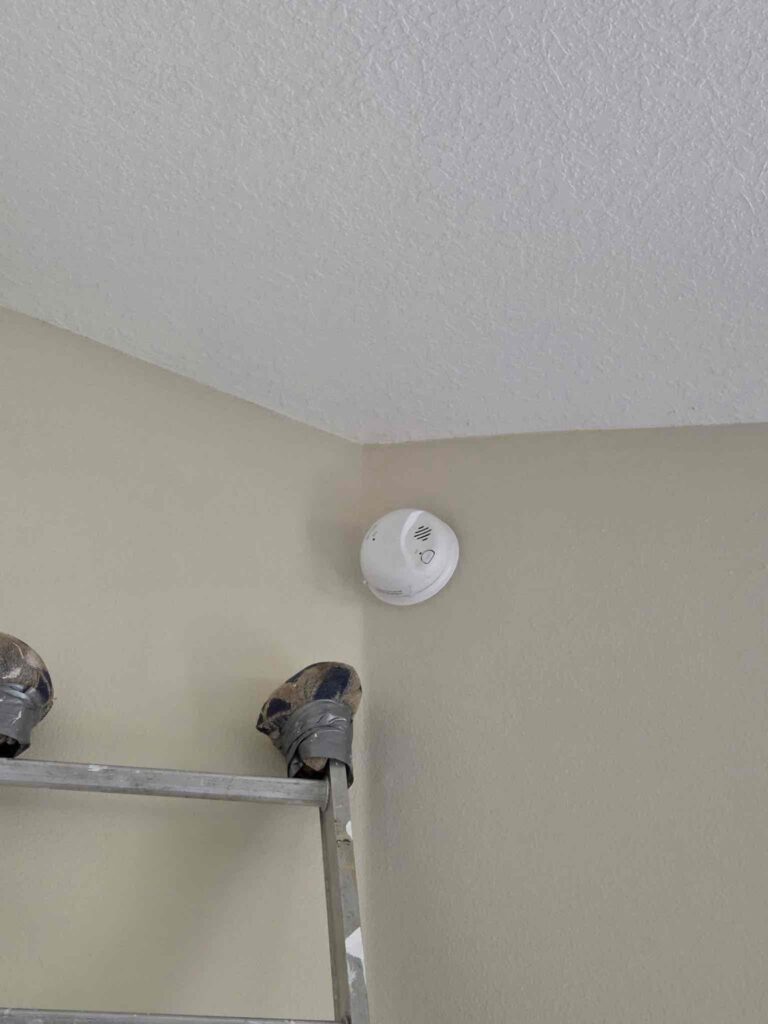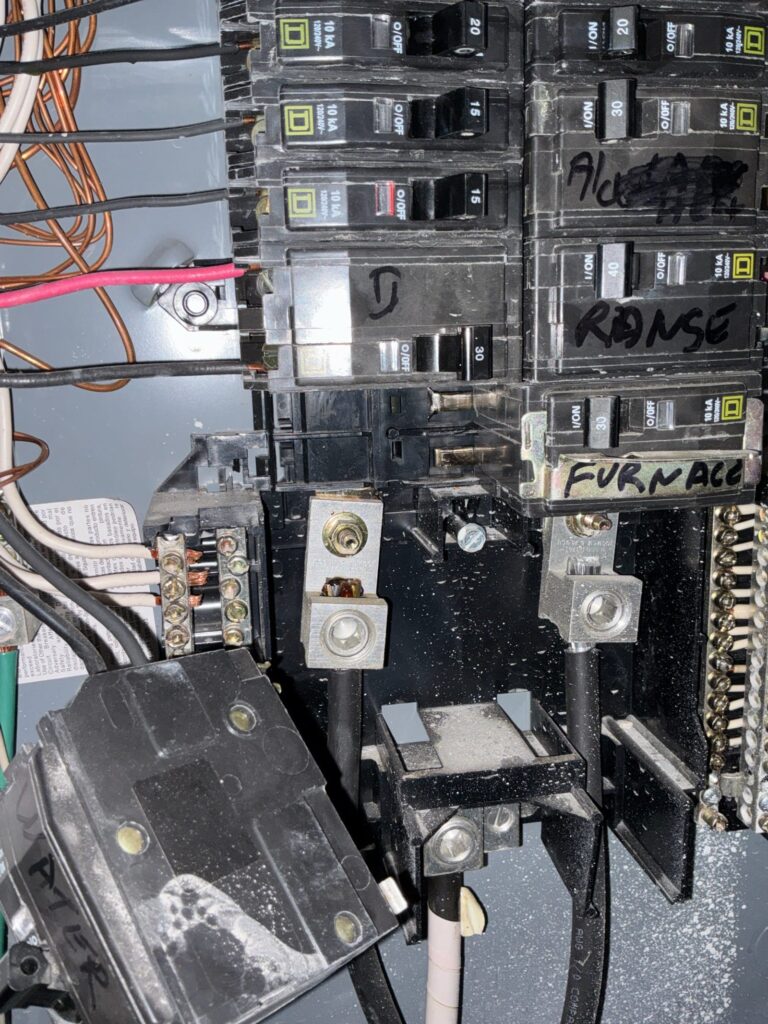
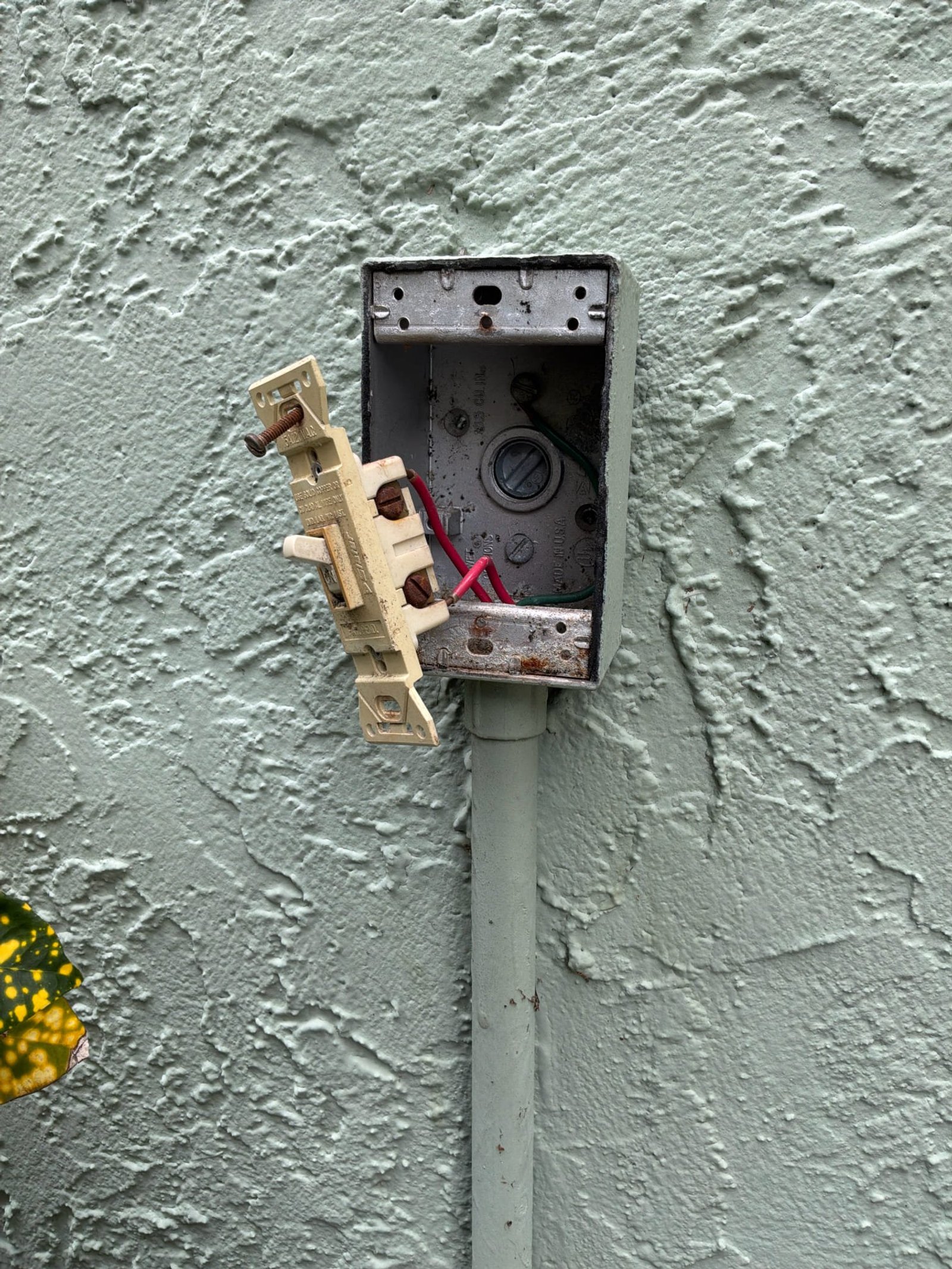
Here is how a pool GFCI outlet job came together for one Orlando family, from the first test to the final walkthrough. A homeowner in Orlando, FL contacted Thomas Edison Electric about installing a pool-like switch for their backyard setup. Our field team, our field electrician, assessed the location. As a result, he installed a tamper-resistant GFCI outlet to provide safe, code-compliant control for pool equipment.
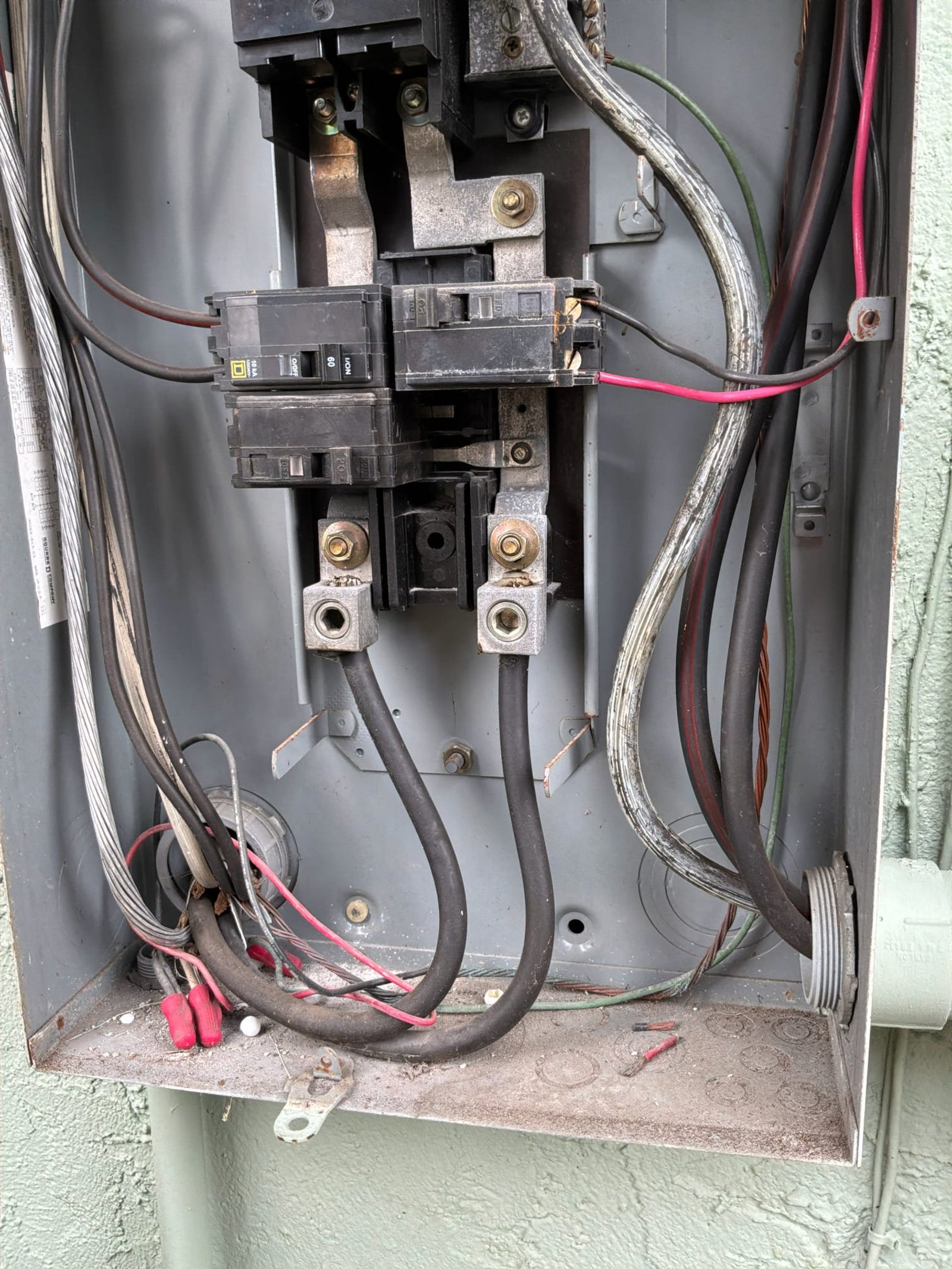
The Problem
The homeowner had pool equipment that needed electrical control. However, they lacked a proper switching mechanism at the desired location. They wanted a reliable way to control pool functions without compromising safety around water.
Investigation
To start, Marc evaluated the existing wiring and determined the best approach for the installation. The location required GFCI protection due to its proximity to pool equipment. Additionally, the circuit needed to accommodate the specific switching requirements the homeowner described.
The existing electrical setup provided a good foundation for the upgrade. However, the installation required proper GFCI protection and tamper-resistant features. In fact, these features are necessary to meet current NEC standards for pool & hot tub wiring in Orlando.
What We Fixed
Installing the GFCI Outlet and Wiring
Our field team installed a Pass & Seymour 1597-TRW 15-amp self-test GFCI outlet with tamper-resistant features. This device provides both the switching capability the homeowner requested and the safety protection required near pool equipment.
Additionally, Marc ran 5 feet of 12-gauge THHN solid white wire to ensure proper neutral connections. The installation included a Mulberry semi-gloss white metal decorator plate. This provided a clean, finished appearance that matches the home’s exterior fixtures.
Self-Test Feature for Ongoing Safety
The self-test feature on the GFCI outlet automatically checks its protective function monthly. As a result, this eliminates the need for homeowners to remember manual testing. Moreover, it ensures continuous protection without any effort on the homeowner’s part.
Why This Pool GFCI Outlet Matters for Orlando Homeowners
Critical Protection Around Water and Electricity
Pool electrical work requires specific safety considerations due to the combination of electricity and water. GFCI protection is essential in these applications. For example, it can detect ground faults as small as 4-6 milliamps and shut off power within 1/40th of a second.
Tamper-resistant outlets provide an extra layer of protection. This is particularly important in outdoor pool areas where children play. The sliding shutters inside the outlet prevent foreign objects from being inserted while still allowing normal plug insertion.
Automatic Testing Eliminates Guesswork
Furthermore, modern self-test GFCI devices eliminate guesswork about whether protection is working. If the internal test fails, the device locks out power and displays a visual indicator. In this case, homeowners know immediately if replacement is needed. Our team also offers comprehensive electrical safety inspections in Orlando to verify all protective devices function properly.
Code Compliance Cited in This Job
Every fix above maps to a specific section of the 2020 NEC, the edition Florida enforces under the 8th Edition Florida Building Code. Florida adopts the 2023 edition of the NEC when the 9th Edition takes effect on December 31, 2026. Each card links to NFPA’s public NEC index.
Pool Equipment GFCI Requirements
All 125-volt outlets within 20 feet of pool equipment must have GFCI protection. This installation ensures the homeowner’s pool switching meets current safety standards for water-adjacent electrical devices. NFPA reference ›
Tamper-Resistant Receptacles
Tamper-resistant outlets are required in all new installations and replacements in dwelling units. The sliding shutter mechanism prevents foreign object insertion while maintaining normal operation. NFPA reference ›
Pool Area Outlet Location
Outlets serving pool equipment must be located to provide safe access while maintaining proper distances from water. This installation positions the control mechanism for convenient operation without compromising safety clearances. NFPA reference ›
Common Questions
Questions homeowners ask after seeing this kind of work.
How often should I test my pool area GFCI outlets?
Self-test GFCI outlets like the one we installed automatically check themselves monthly, but it’s still good practice to manually test them seasonally. Press the test button – the outlet should shut off power immediately. Then press reset to restore power. If it doesn’t work properly, schedule a replacement right away.
Can I use regular outlets near my pool equipment?
No, NEC 680.22 requires GFCI protection for all outlets within 20 feet of pool equipment. Regular outlets don’t provide the rapid ground-fault detection needed in wet environments. If you’re unsure about your pool’s electrical compliance, our team can perform a pool safety inspection to ensure everything meets current code.
What’s the difference between tamper-resistant and regular GFCI outlets?
Tamper-resistant outlets have sliding shutters that prevent children from inserting objects into the slots. Both shutters must be pressed simultaneously – which happens naturally with a plug – for the outlet to open. This feature is especially valuable in pool areas where kids play frequently. Need an upgrade to tamper-resistant protection? Book an evaluation to see what options work best for your setup.
Why did my pool outlet installation require new wiring?
Pool electrical work often needs dedicated circuits and proper neutral connections for GFCI devices to function correctly. The 12-gauge wire we ran ensures adequate capacity and proper grounding for reliable GFCI operation. If you’re planning pool electrical work, schedule a consultation so we can assess what wiring updates might be needed.
How often should I have my pool electrical system inspected?
Pool electrical systems should be inspected annually, with extra attention before each swimming season. Water and electricity create unique safety considerations that benefit from regular professional review. Homes with older pool installations may need more frequent checks to ensure all safety systems work properly. Schedule your yearly pool electrical inspection to keep your family safe all season long.