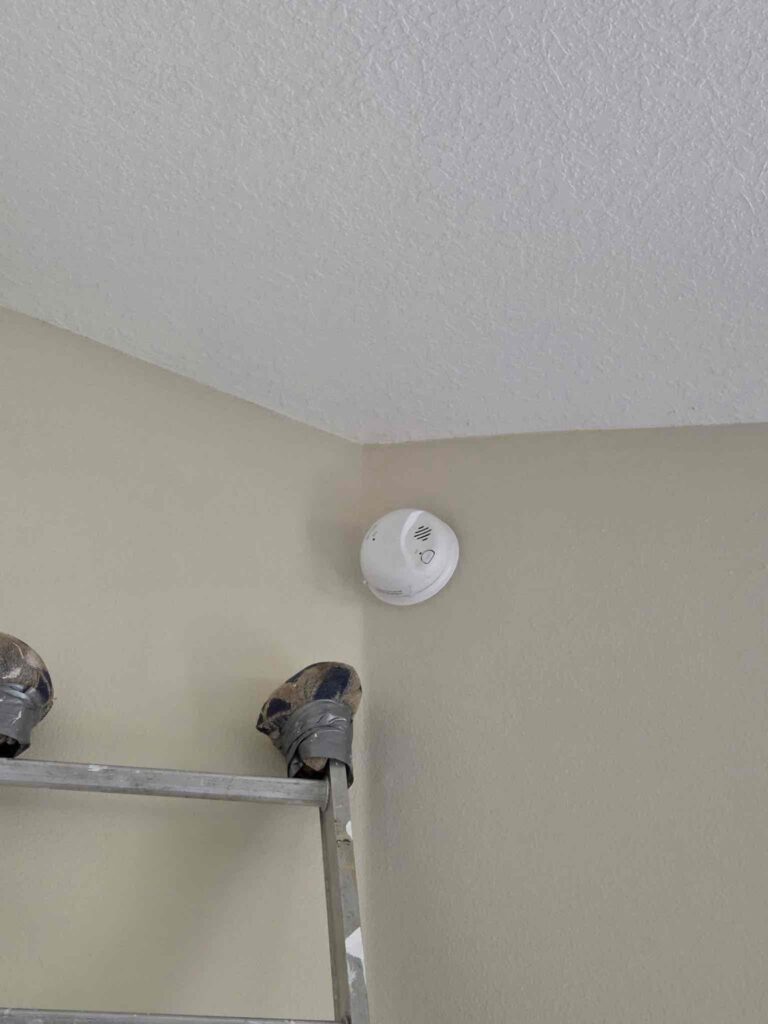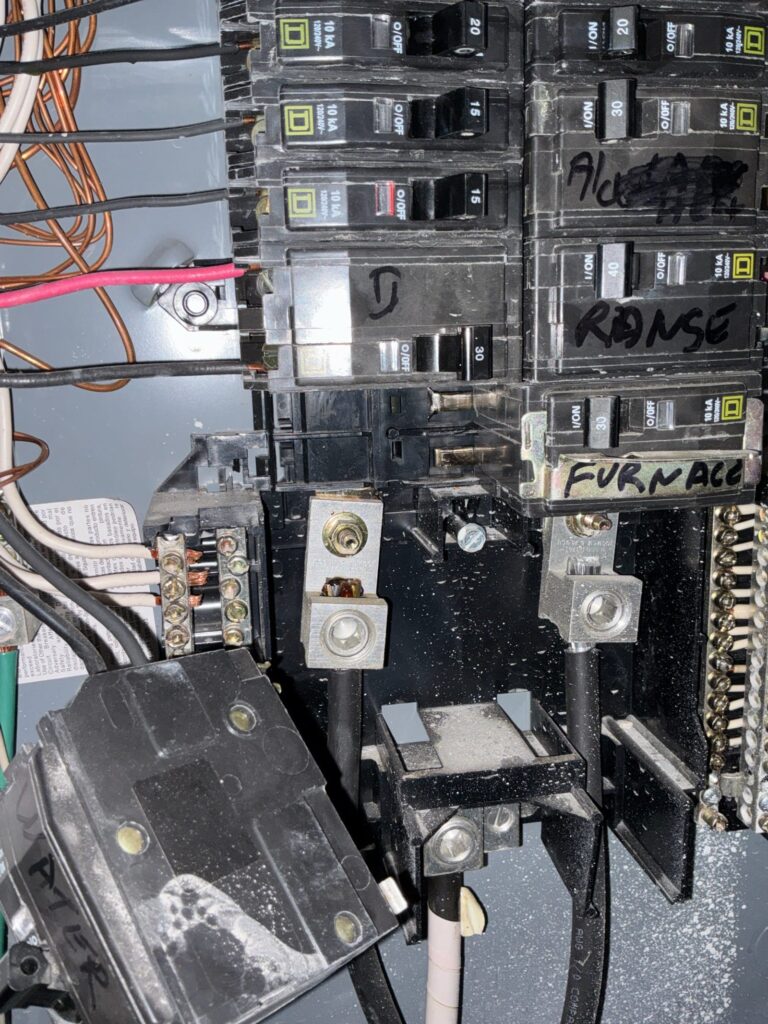
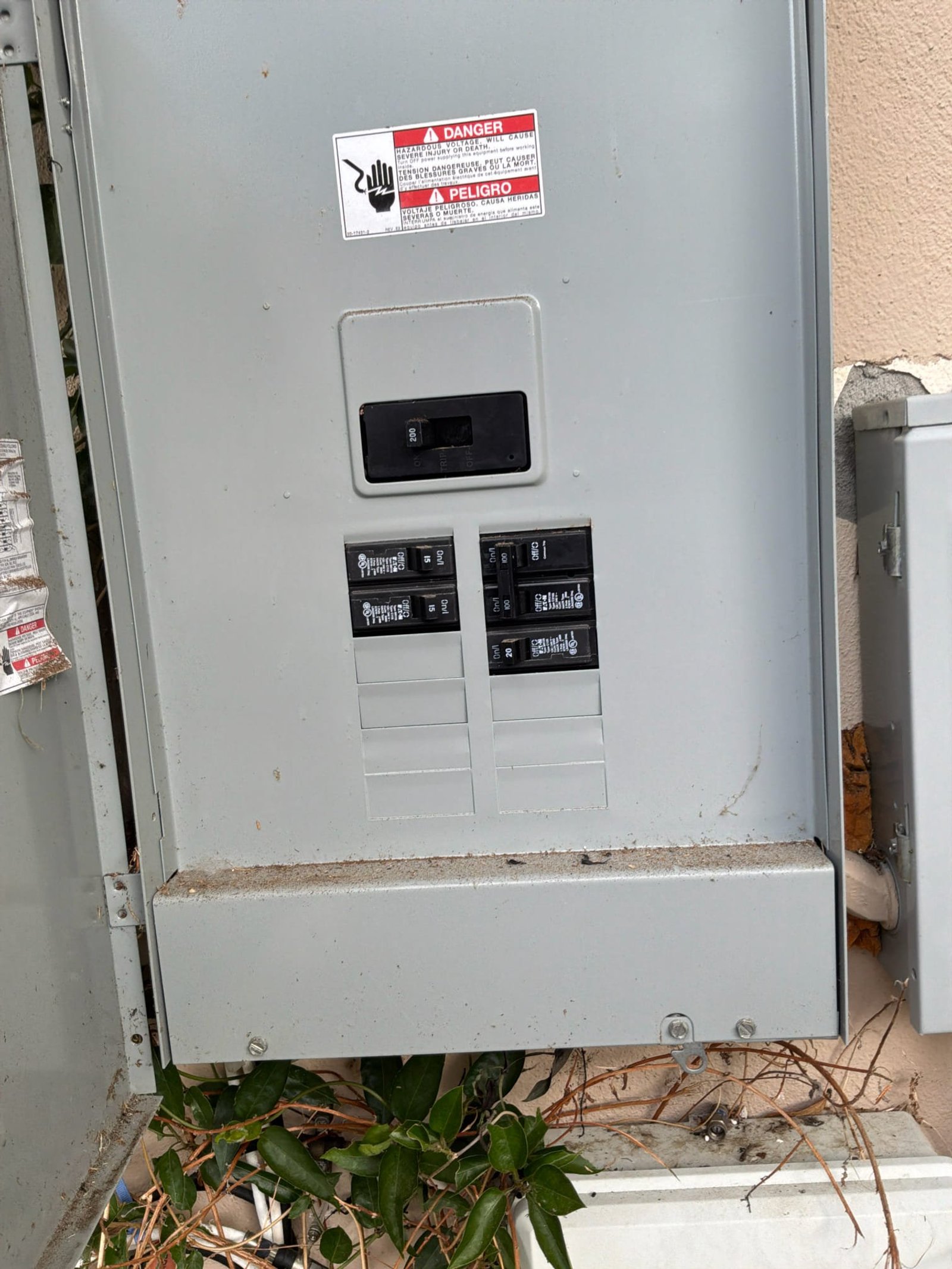
This Longwood surge protection case study walks through the real diagnosis, the fix, and the code details from a recent service call. A homeowner in Orlando, FL contacted Thomas Edison Electric through Thumbtack initially seeking a quote for outdoor light sconce replacement. However, during Marc T.’s consultation, the conversation expanded to address broader electrical safety improvements. As a result, the homeowner decided to prioritize whole-house surge protection and modernize their smoke and carbon monoxide detection system with smart, interconnected units.
The Problem
“Looking for quote to remove old & install new outdoor light sconces.”
While the original request focused on exterior lighting, the homeowner expressed interest in comprehensive electrical safety upgrades. In fact, they learned about available modernization options during the initial consultation and wanted to explore them further.
Investigation
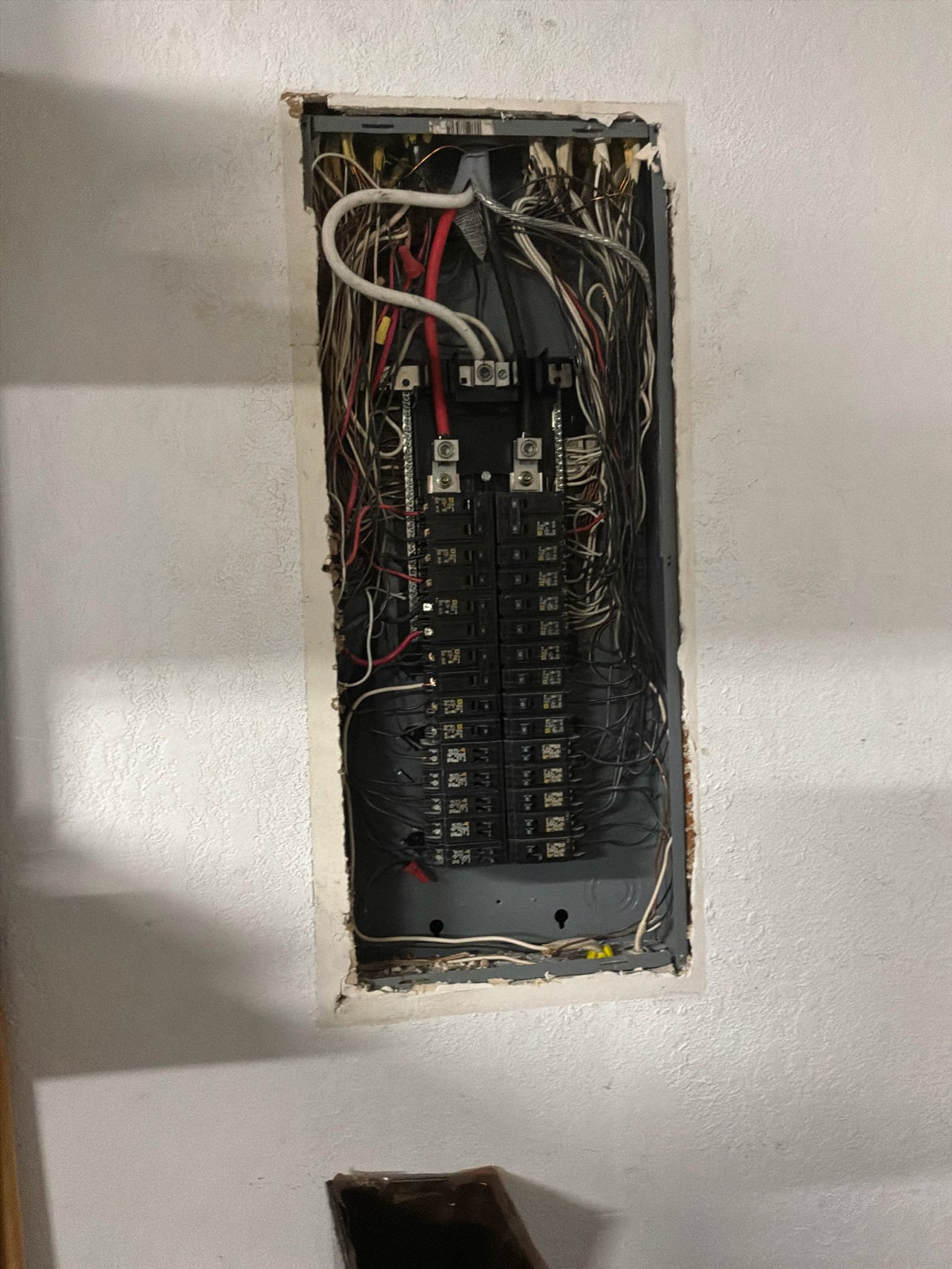
Marc evaluated the home’s electrical panel and existing safety systems. The Square D HomeLine panel had capacity for surge protection installation using plug-on neutral technology. Additionally, the existing smoke and carbon monoxide detectors were older units. They lacked modern smart features and interconnected communication capabilities.
Moreover, the panel required some breaker updates to accommodate the new surge protector. These updates would ensure proper circuit protection throughout the home.
What We Fixed
Whole-House Surge Protection Installation
To start, we installed a PSP Vortex 120 kA whole-house surge protection device directly into the Square D HomeLine panel. This unit provides comprehensive protection against power surges from lightning strikes and utility grid fluctuations. Furthermore, we replaced several circuit breakers to ensure optimal system performance. For example, we installed a Square D HOM115 15-amp single-pole breaker and a HOM240 40-amp two-pole breaker.
Smart Smoke and CO Detector Upgrade
Next, we upgraded the home’s detection system with five smart smoke and carbon monoxide combination detectors. These units feature 10-year sealed lithium batteries and wireless interconnection. They communicate with each other throughout the home. When one detector activates, all units sound their alarms simultaneously.
Additional Electrical Safety Improvements
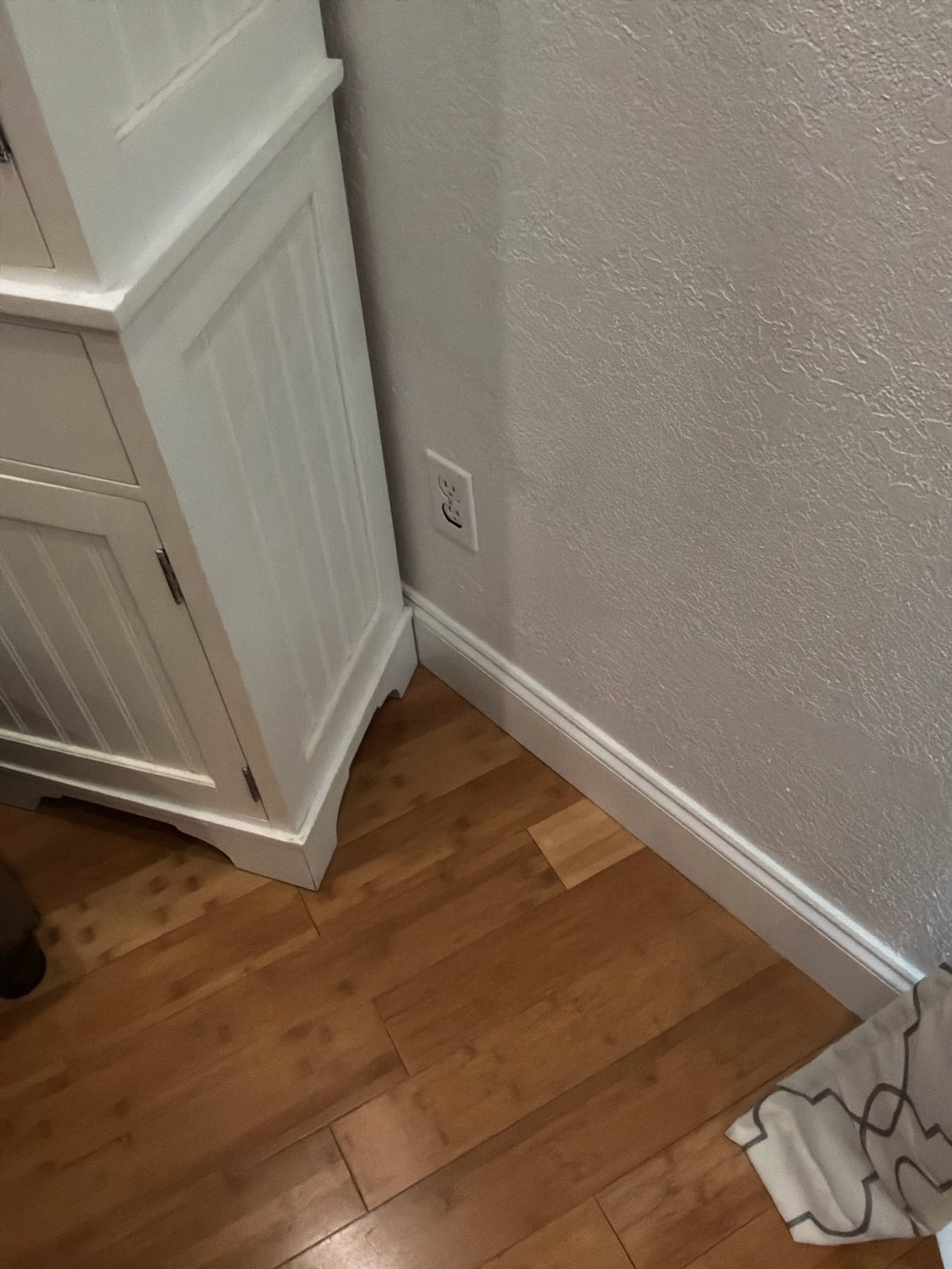
Additionally, we completed several electrical improvements throughout the home. We installed a tamper-resistant 15-amp receptacle with a new old-work box. We also replaced a single-pole decorator switch and added a cord cap to an existing cord. Finally, we installed a GE THQP230 30-amp two-pole breaker. All receptacles and switches meet current NEC standards for safety and functionality.
Why This Longwood Surge Protection Matters for Homeowners
Cost-Effective Protection for Sensitive Electronics
Whole-house surge protection represents one of the most cost-effective electrical investments available. Modern electronics and appliances contain sensitive circuitry. This circuitry can suffer damage from even minor power fluctuations. In this case, a quality surge protector like the PSP Vortex guards your entire home’s electrical system. It potentially saves thousands in replacement costs.
Enhanced Safety with Smart Detection Systems
Smart smoke and CO detectors offer significant advantages over traditional units. The interconnected feature ensures occupants hear alarms regardless of their location in the home. Meanwhile, the 10-year sealed batteries eliminate the hassle of regular battery changes. They also prevent late-night chirping from low batteries. Many smart models also send notifications to your smartphone, providing peace of mind when you’re away from home.
These upgrades align with 2020 NEC recommendations and represent proactive steps toward modern electrical safety standards. Therefore, homeowners gain both immediate protection and long-term value from these investments. If you’re considering similar improvements, our team can perform an electrical safety inspection to identify opportunities for enhanced protection.
Code Compliance Cited in This Job
Every fix above maps to a specific section of the 2020 NEC, the edition Florida enforces under the 8th Edition Florida Building Code. Florida adopts the 2023 edition of the NEC when the 9th Edition takes effect on December 31, 2026. Each card links to NFPA’s public NEC index.
Surge Protective Device Installation
This section governs the proper installation of surge protective devices like the PSP Vortex unit installed in this Orlando home. The code requires surge protectors to be readily accessible and properly connected to the service equipment. Article 285 covers surge protective devices in the 2020 NEC that Florida enforces today; the same requirements move to Article 242 when Florida adopts the 2023 edition on December 31, 2026. NFPA reference ›
Fire Alarm Circuit Power Sources
While not technically fire alarm circuits, the interconnected smoke/CO detectors installed follow similar principles for reliable power and communication between units throughout the home. NFPA reference ›
Tamper-Resistant Receptacles
The new 15-amp receptacle installed meets current requirements for tamper-resistant outlets, which help prevent accidental contact with energized parts, particularly important in homes with children. NFPA reference ›
Electrical Connections
All new breakers and electrical connections made during this upgrade comply with NEC requirements for proper termination and connection methods to ensure reliable, long-term performance. NFPA reference ›
Common Questions
Questions homeowners ask after seeing this kind of work.
How effective are whole-house surge protectors compared to power strips?
Whole-house surge protectors like the PSP Vortex provide comprehensive protection at the electrical panel level, guarding against surges from both external sources (lightning, utility issues) and internal sources (large appliances cycling). Power strips only protect devices plugged directly into them and offer much lower surge capacity. For complete protection, we recommend both – a whole-house unit as your first line of defense, plus point-of-use strips for sensitive electronics. If you’d like to add this level of protection to your home, schedule a consultation to discuss the best options for your electrical system.
Why do smart smoke detectors cost more than basic units?
Smart smoke and CO detectors include advanced features like smartphone notifications, interconnected communication throughout your home, and 10-year sealed batteries that eliminate middle-of-the-night low-battery chirping. When one detector activates, all units in your home sound their alarms simultaneously, ensuring you hear the warning regardless of your location. The convenience and enhanced safety features justify the investment for most homeowners. Curious whether smart detectors make sense for your home? Our team can evaluate your current system and explain your upgrade options.
How often should I have my electrical system inspected?
We recommend yearly electrical inspections to catch potential issues before they become problems. Homes built before 1990 and those that have weathered recent storms may benefit from inspections more frequently. During an inspection, we check panel conditions, test GFCI and AFCI protection, evaluate grounding systems, and look for signs of wear or code updates that could improve safety. Regular inspections help ensure your electrical system operates safely and efficiently year-round. Ready to schedule your annual inspection with our certified electricians?
Can I install a whole-house surge protector on any electrical panel?
Most modern electrical panels can accommodate whole-house surge protectors, but the specific model depends on your panel brand and available space. Square D HomeLine panels like the one in this Orlando home work well with plug-on neutral surge protectors. Older panels or certain brands may require different installation methods or panel upgrades. The key is matching the surge protector to your specific electrical setup for optimal performance and code compliance. Wondering what options work with your panel? Contact us for a free assessment of your home’s surge protection possibilities.
Do interconnected smoke detectors require special wiring?
Modern smart smoke and CO detectors often use wireless communication between units, eliminating the need for special interconnect wiring that older hardwired systems required. The units we installed in this Orlando home communicate wirelessly while still connecting to standard 120V household circuits for primary power. This gives you the safety benefit of whole-home alarm activation without extensive rewiring projects. If you’re interested in upgrading your home’s detection system, schedule a consultation to learn about wireless and hardwired interconnection options.