
Automation controls Orlando businesses rely on do quiet work in the background. They dim lights when a room empties, ease a pump up instead of slamming it on, and send an alert when a cooler drifts warm. In Central Florida, most of that value comes back as lower cooling costs.
We install and service these systems for hotels, restaurants, shops, and warehouses around the Orlando area. Here is what they do, and what makes them different in a hot, stormy climate.
What Controls Actually Do in a Florida Building
A control system is a set of small decisions made for you. A sensor reads something, a controller checks it against a target, and a relay or drive acts on it.
That covers a lot of ground. A schedule can shut off a sign at closing. A sensor can hold a walk-in cooler at temperature and log every swing. A drive can slow a pump when demand drops.
Automation Controls Orlando Buildings Actually Use
Most local projects start small and grow. These are the pieces we install most often.
- Lighting controls with occupancy sensors, daylight sensors, and time schedules
- HVAC and rooftop unit controls, since cooling drives the bill here
- Motor starters and variable frequency drives on pumps and fans
- Energy monitoring at the panel, so you can see which loads cost the most
- Temperature and leak alarms for coolers, freezers, and mechanical rooms
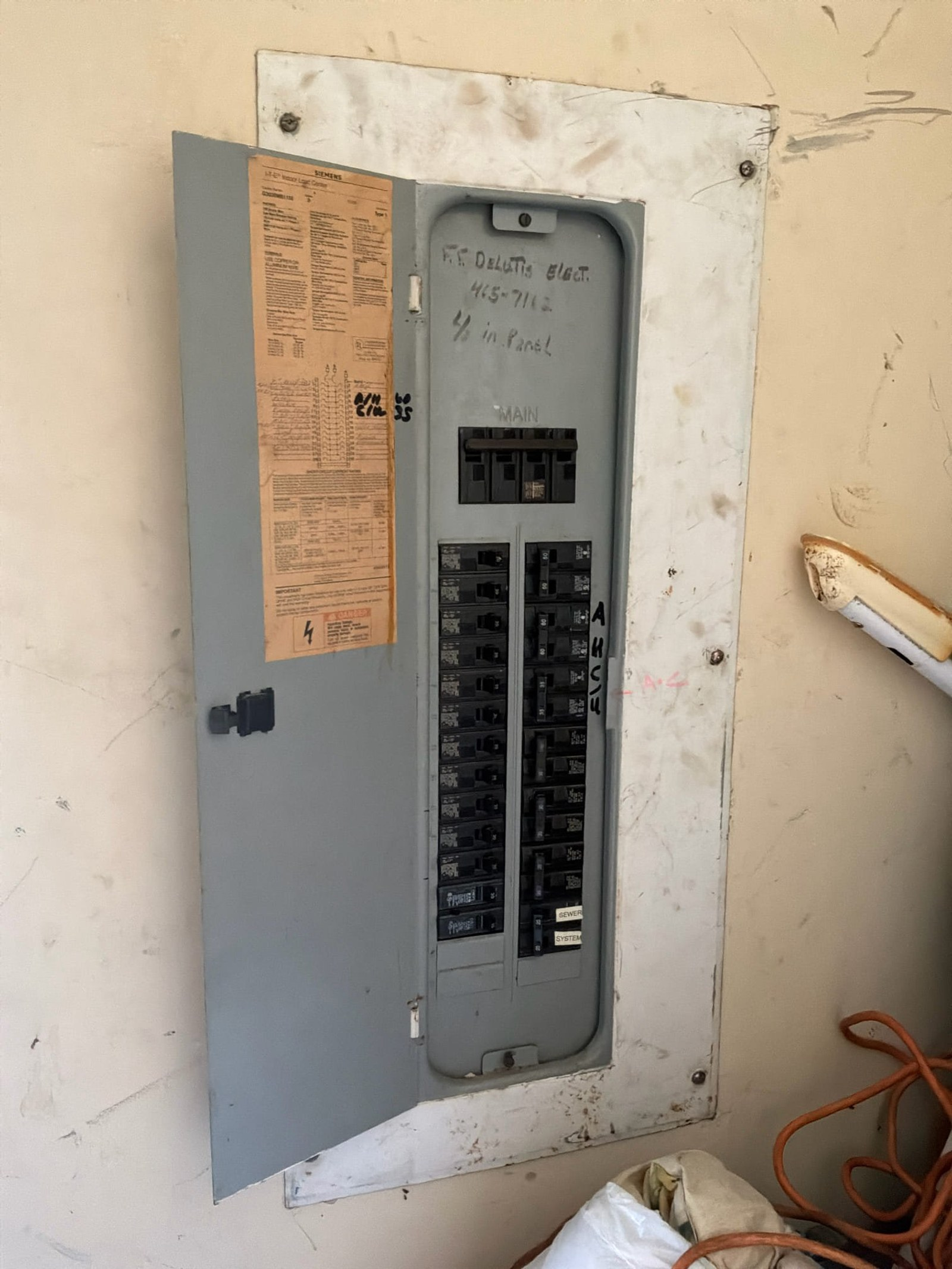
Each piece needs power, a clean signal path, and space in the panel. When a building runs out of room, a panel upgrade usually comes before anything else gets installed.
Cooling Is the Load That Matters Here
In much of the country, heating drives the energy bill. In Orlando, cooling does, and it runs most of the year. That changes where automation pays off.
Setback schedules, smart thermostats, and demand-based fan control give the fastest return in our climate. Kitchen hood controls help too, because an exhaust fan at full speed pulls cooled air straight outside.
You can check equipment ratings through ENERGY STAR before you buy. Efficient gear plus smart control beats either one alone.
Lightning, Surges, and Control Boards
Central Florida gets more lightning than anywhere else in the country. Control boards, drives, and sensors are all electronics, and a surge finds them first.
So we guard controls in layers. A surge device at the service takes the big hit, and smaller devices protect control panels and low-voltage runs. Grounding and bonding have to be right, or none of it works as intended.
The NFPA writes the National Electrical Code that covers this work. We follow it and pull permits, which also helps you with insurance later.
Start Small and Grow
You do not have to wire a whole building at once. Most owners pick one system, watch the bill for a month, then add the next piece.
Lighting usually goes first, because the payback is easy to see. Cooling comes next. Monitoring often comes third, once you want to know why a bill moved.
- First: lighting schedules and sensors in back-of-house rooms
- Next: thermostat control with a simple setback plan
- Then: panel monitoring so you can see which loads cost the most
- Later: alarms on coolers, pumps, and mechanical rooms
Humidity, Enclosures, and Corrosion
Heat and damp air are hard on equipment. A controller in an unconditioned back room lives a shorter life than the same unit in a cooled space.
Rated enclosures matter, and so does where you put them. We look for sealed gaskets, proper drainage, and terminals that are clean and torqued. Green film on a lug is an early warning worth catching.
The automation controls Orlando property managers install most often fail for boring reasons. Loose terminals, wet enclosures, and dirty contacts cause more downtime than software ever does.
Storm Shutdowns and Clean Restarts
Hurricane season runs June through November. When a storm is coming, a good control setup helps you shut down in the right order and start back up cleanly.
Sequenced restarts keep several large motors from starting at once, which protects the service. Alarms can also tell you what came back and what did not, before you drive out to look.
Retrofitting Older Buildings
Plenty of local buildings were wired decades ago. Owners worry that new controls will not talk to old equipment, and usually that worry is bigger than the problem.
New controllers talk to old relays and new networks at the same time. The real work is mapping what is already there. Clean cabling helps, and our notes on coaxial and Cat5 wiring explain why keeping data away from power holds signals steady.
On the home side, the same ideas apply at a smaller scale. See how one Orlando smart home upgrade tied outlets and safety systems together in a single visit.
Maintenance Keeps It Working
Controls are not a set-and-forget purchase. Sensors drift, firmware ages, and schedules stop matching how the building is used.
A yearly review catches most of it. We check setpoints, test alarms, tighten terminals, and scan for hot spots. Our guide to electrical maintenance for commercial buildings lays out a practical schedule.
Automation controls Orlando shops add after a rough storm season almost always include monitoring. Once you can see a problem, you can fix it before it costs you a night of production.
Thinking about controls for your building? Call Thomas Edison Electric at (407) 490-0004 for a site visit and a written quote. We hold Florida license EC13015487 and serve Orlando, Sanford, Lake Mary, Ocoee, Kissimmee, and the towns nearby.